Subject to change as I make additions from my family's archive and gain knowledge from family member's oral history of events. This archive originated as a final project for a Chicana/o-Latina/o Studies course at Pomona College: Memory as a Method, taught by Professor Maga Miranda PhD.
The central justice question of my archive asks: How can we use analog photography that is present in personal family archives to account for the Latin American experience in the U.S. as a collective? These specific materials came to me when I asked my parents for family photographs that document their experience immigrating as assimilating to the U.S. during their adolescence. My dad was able to provide me with his childhood photos taken on analog in order to focus on the importance that analog photography played in documenting the Latin American experience, and how the physicality of the image contributes to the ephemera of family memory.
My archive makes the argument that Latin American families who immigrate to the U.S. assimilate into traditional “American” culture through not only the documentation of formal events but the documentation of mundane activities through photography. My dad’s photographs mainly depicted activities inspired by the traditional American household—and other than a couple photos of family visits to Nicaragua—I felt that the photos lacked evidence of our Nicaraguan descent. With my dad’s family living in San Francisco, CA at the time, I question whether Latin American families can lose their cultural identity due to assimilation.
When developing this archive, I was inspired by Nicaraguan photographer and archivist Gabrielle Garcia Steib. She was recommended to me by Emilia Yang (creator of AMA y No Olvida, Memory Museum against Impunity) during her guest lecture. Upon further research on Steib, I came across an archive she runs on Instagram under the username: imagenesdenicaragua. It was an archive she started during the pandemic to “share a broad perspective on public memory that went beyond just war imagery and looked deeper into cultural, and familial inter-connectedness within Nicaragua and the diaspora” (Steib). During our conversation with Emilia Yang, I acknowledged the presence of the Nicaraguan archive in solidarity against state violence. Steib’s archive provides a contrast to which we are able to account for the documentation of the mundane that exists within the Nicaraguan collective. Similar to Steib, I wanted my archive to account for the mundane spirit of Nicaraguan family and community, but my archive includes documentation of the lived experience of the Nicaraguan family past the country’s borders.
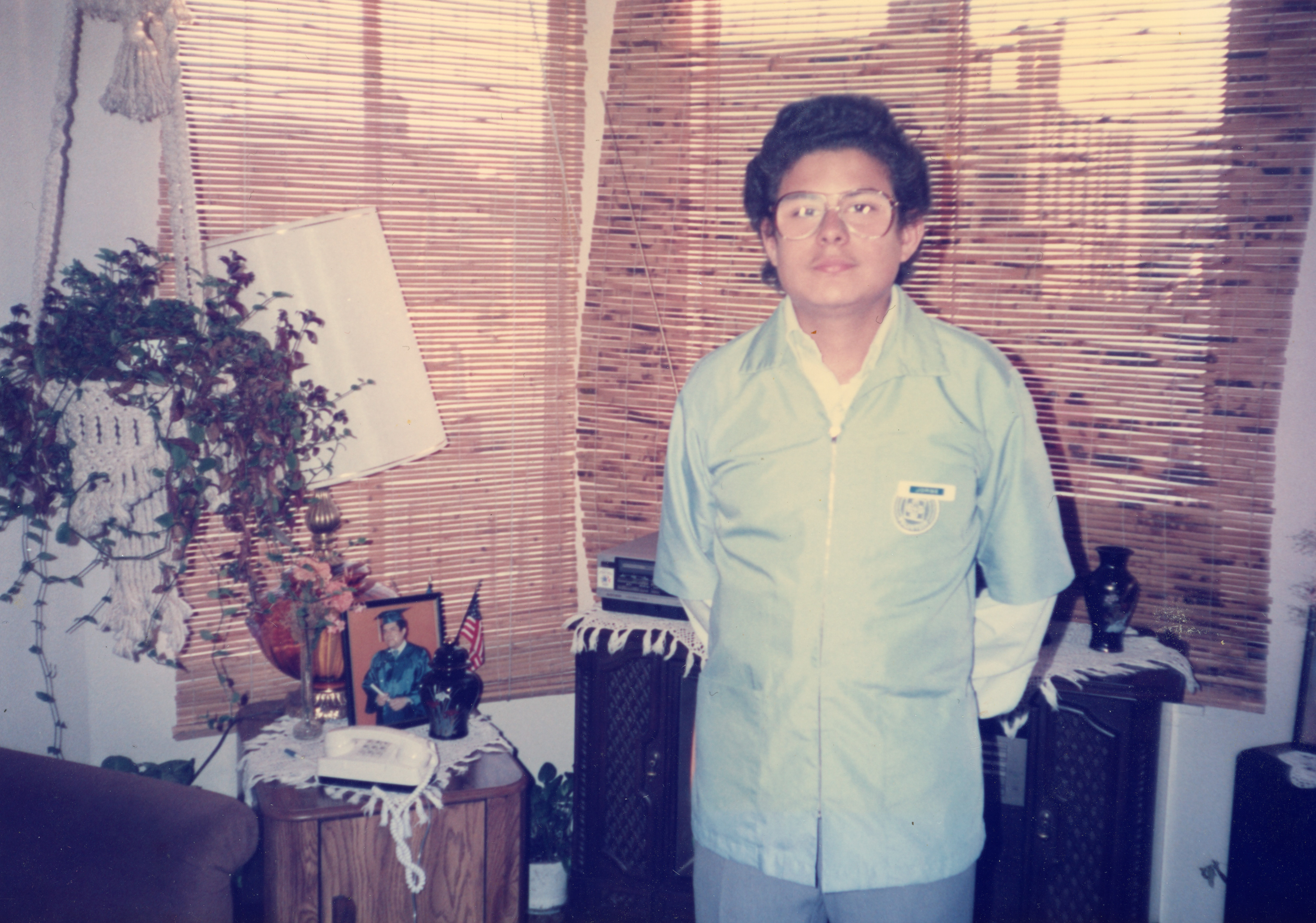
I organized my archive into two categories based on what type of event was being depicted in the photo (formal or mundane) that further divide in the subcategories (formal: weddings, graduations, holidays; mundane: baseball, family inside the home). These categories were organized further depending on how old my dad was in the photo: baby, elementary, junior high, high school, young adult.
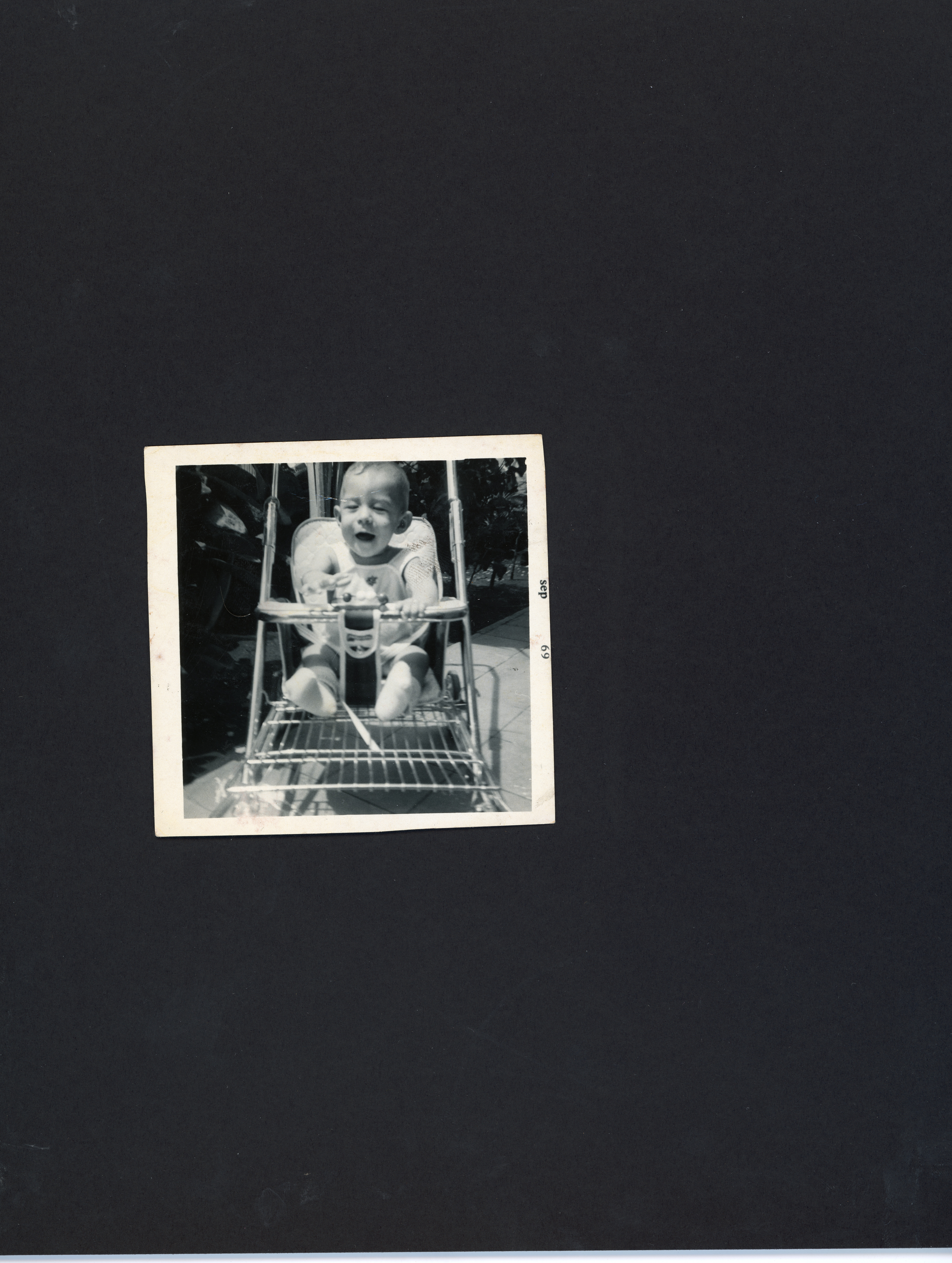
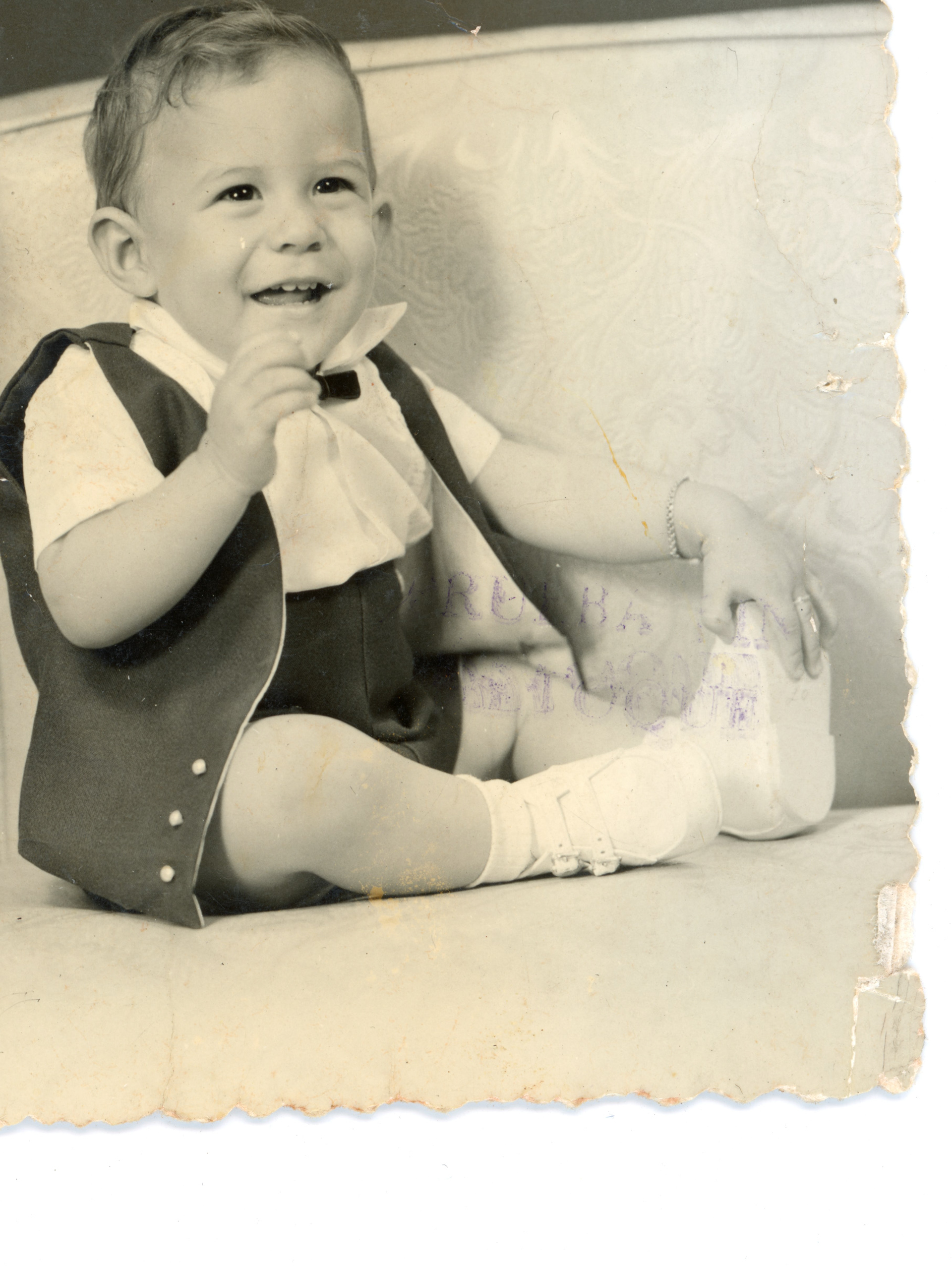
For context, it was the social effects of the advancement of the camera that inspired the categories in which I divided my dad’s photos: (formal or mundane) that further divide in the subcategories (formal: weddings, graduations, holidays; mundane: baseball, family inside the home). I saw the ways in which the representations of the events that my family documented through photography were influenced by the larger systems of technological advancement as a whole. I want to compare the technological upbringing of the camcorder with that of the instant photograph.
In “From Reel Families to Families We Choose: Video in the Home Mode,” James Moran distinguishes between the idea of home movie vs. home video in order to describe the social change brought by the advancement of the camcorder. On one hand, home movie is a “celluloid substrate [that is] relatively costly per foot exposed, cannot be recycled, and requires high light levels and lab processing for proper exposure and printing” (Moran 40). In contrast, the home video “consists generally of a camcorder…VCR, domestic television monitor…and videocassettes allowing up to eight hours of shooting. Its electromagnetic substrate is relatively inexpensive per foot recorded, may be recycled, operates in low light levels, and does not require lab processing” (Moran 40-41).
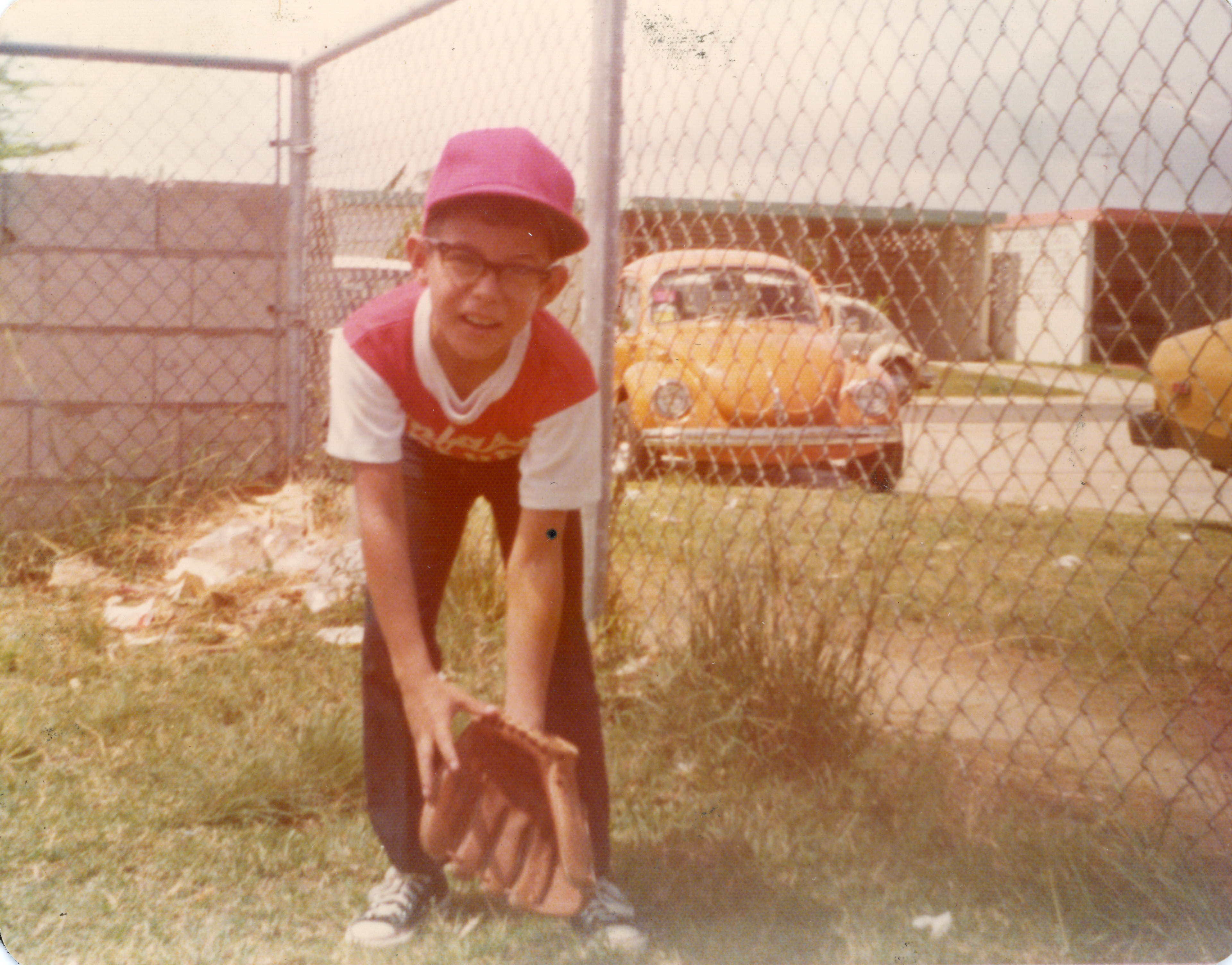
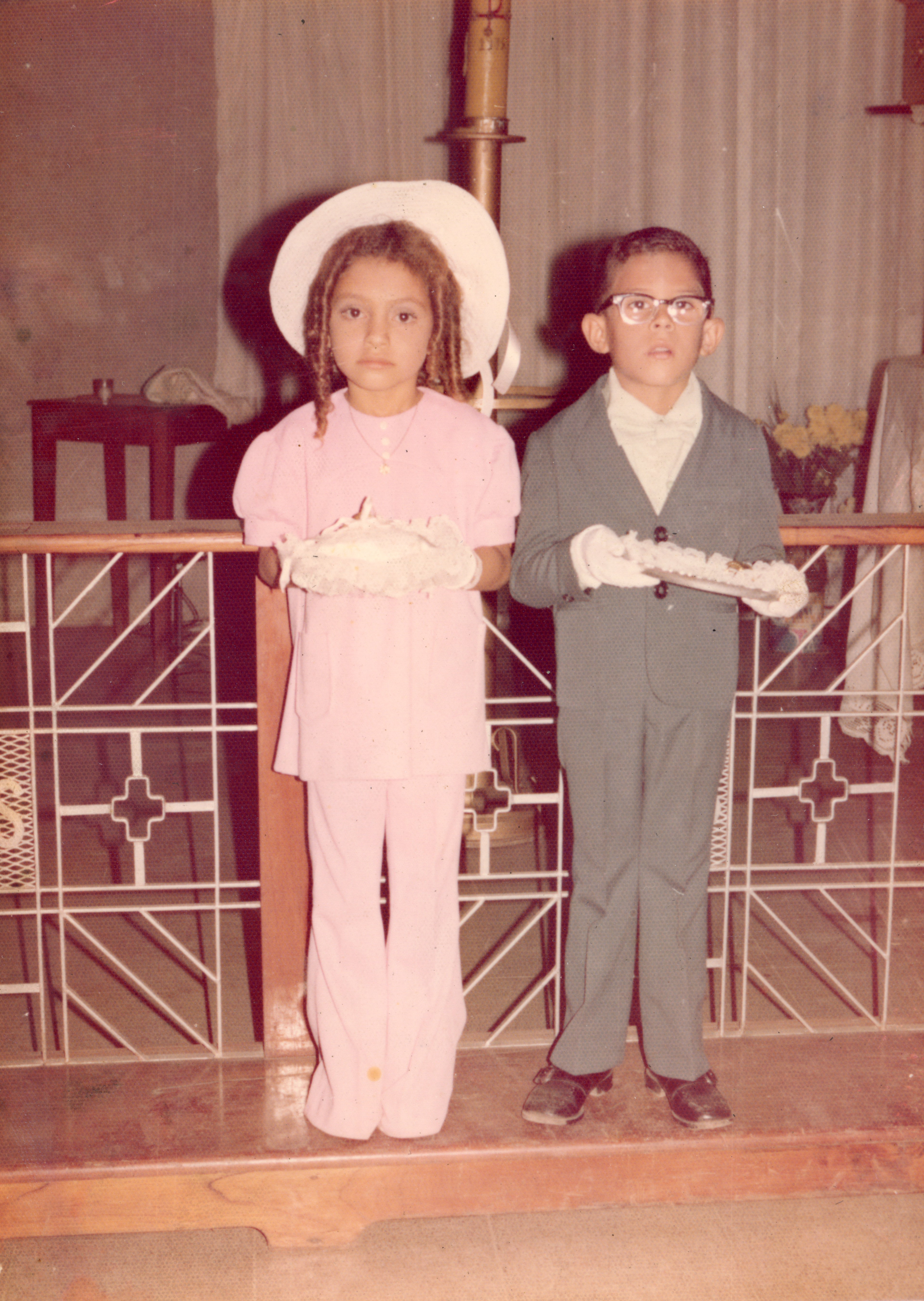
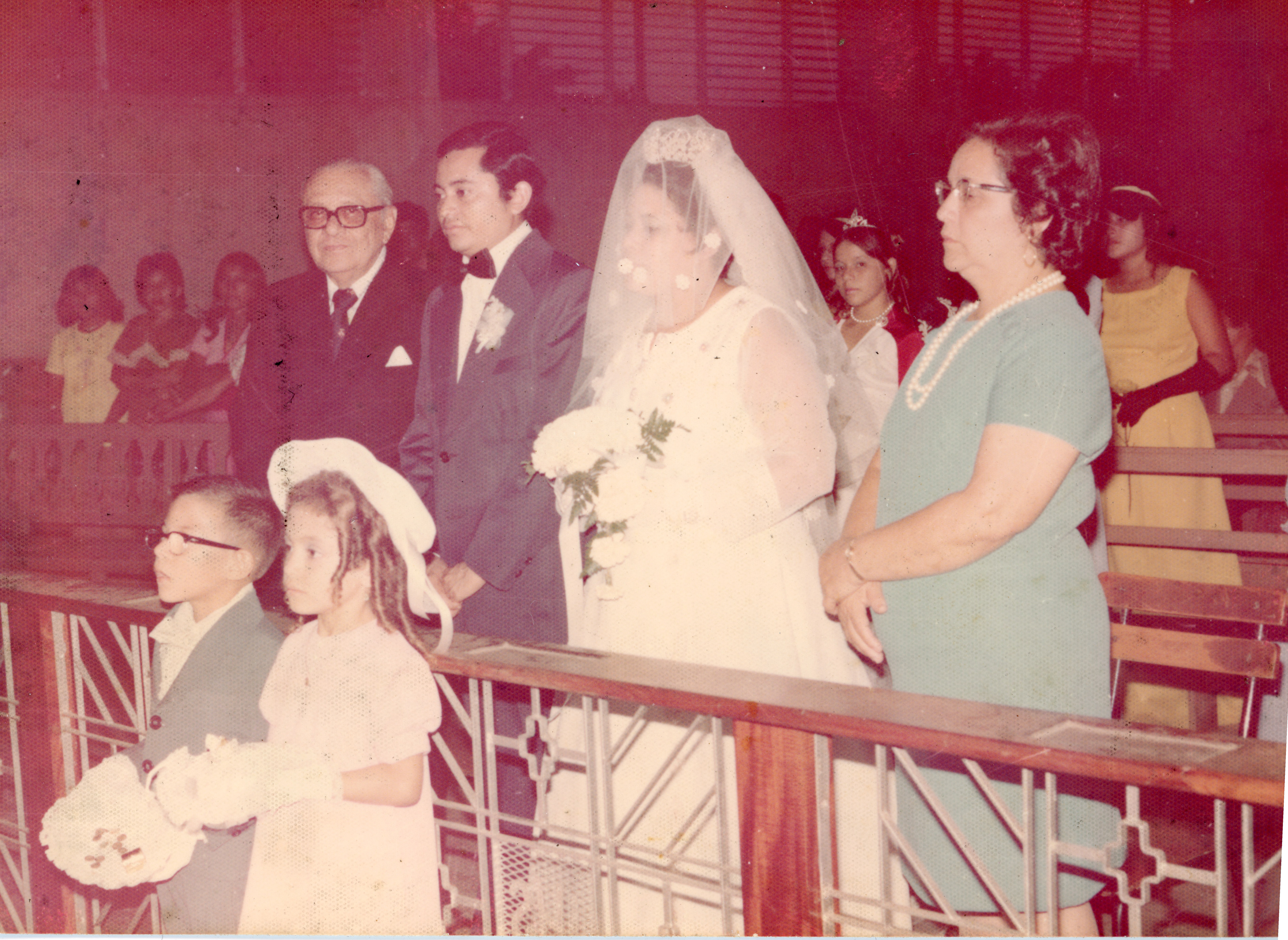
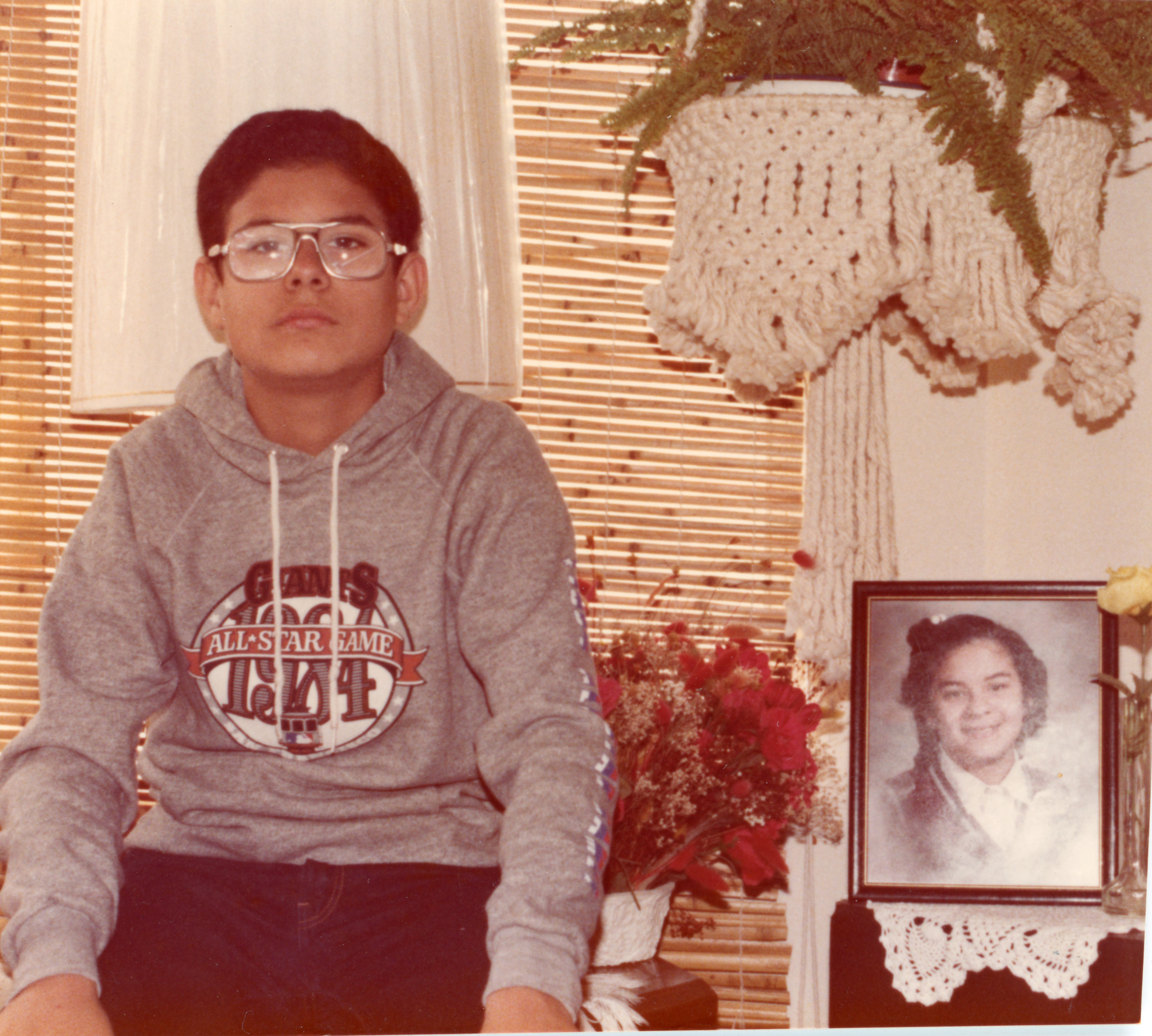
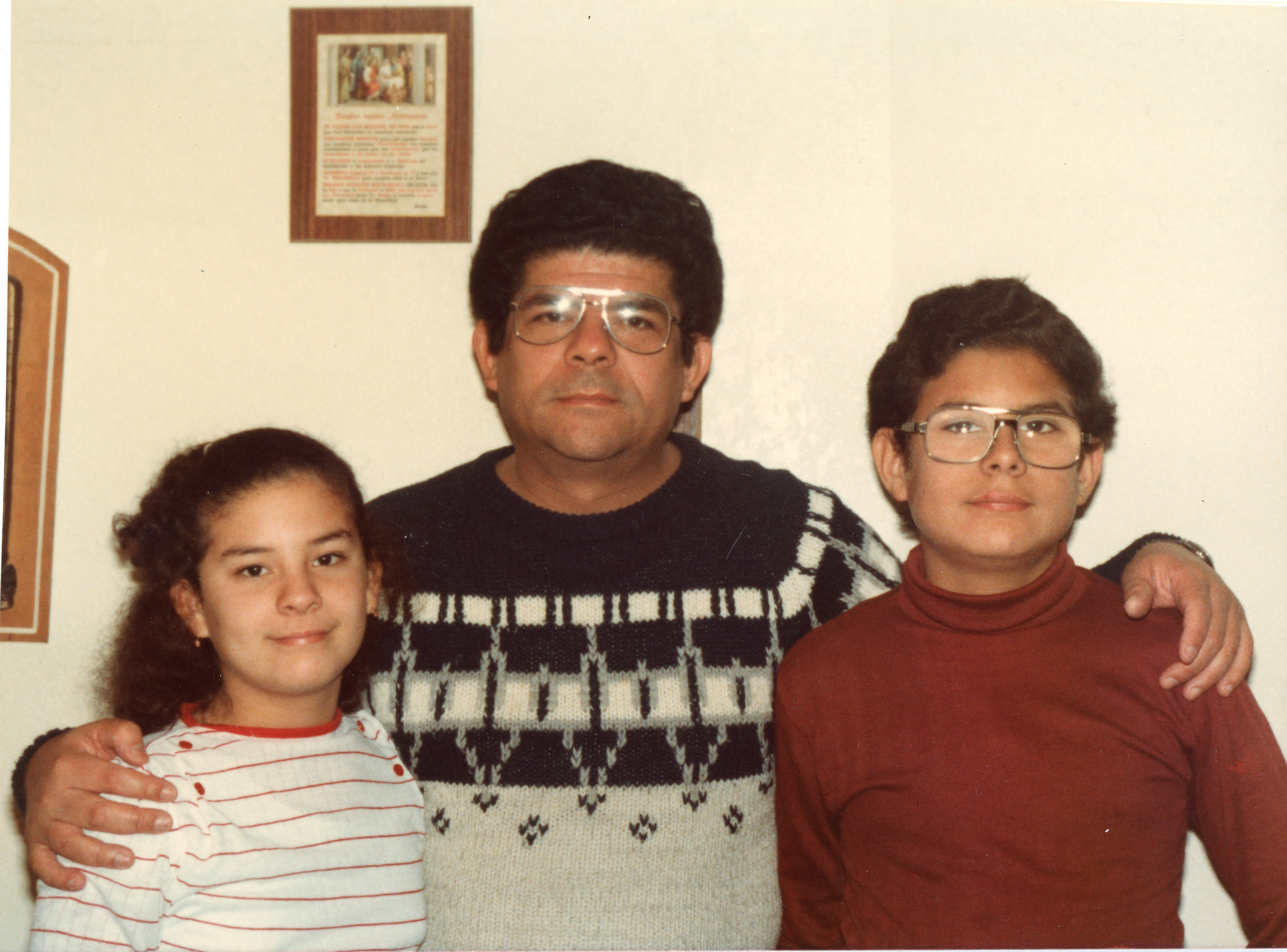
Due to the economic limitations brought forth by celluloid film, the events documented with home movie were often formal and saved for only special occasions, while events documented with home video allowed for more informal usage of the medium. This divide between the formal vs. mundane is seen within my archive. Formal events, such as a wedding my dad attended as a kid, or even my dad’s high school graduation, depict special events in which photography was utilized. In contrast, depictions of the mundane in my archive consist of my dad playing baseball as a kid, or family portraits taken in the home (not during special occasions).
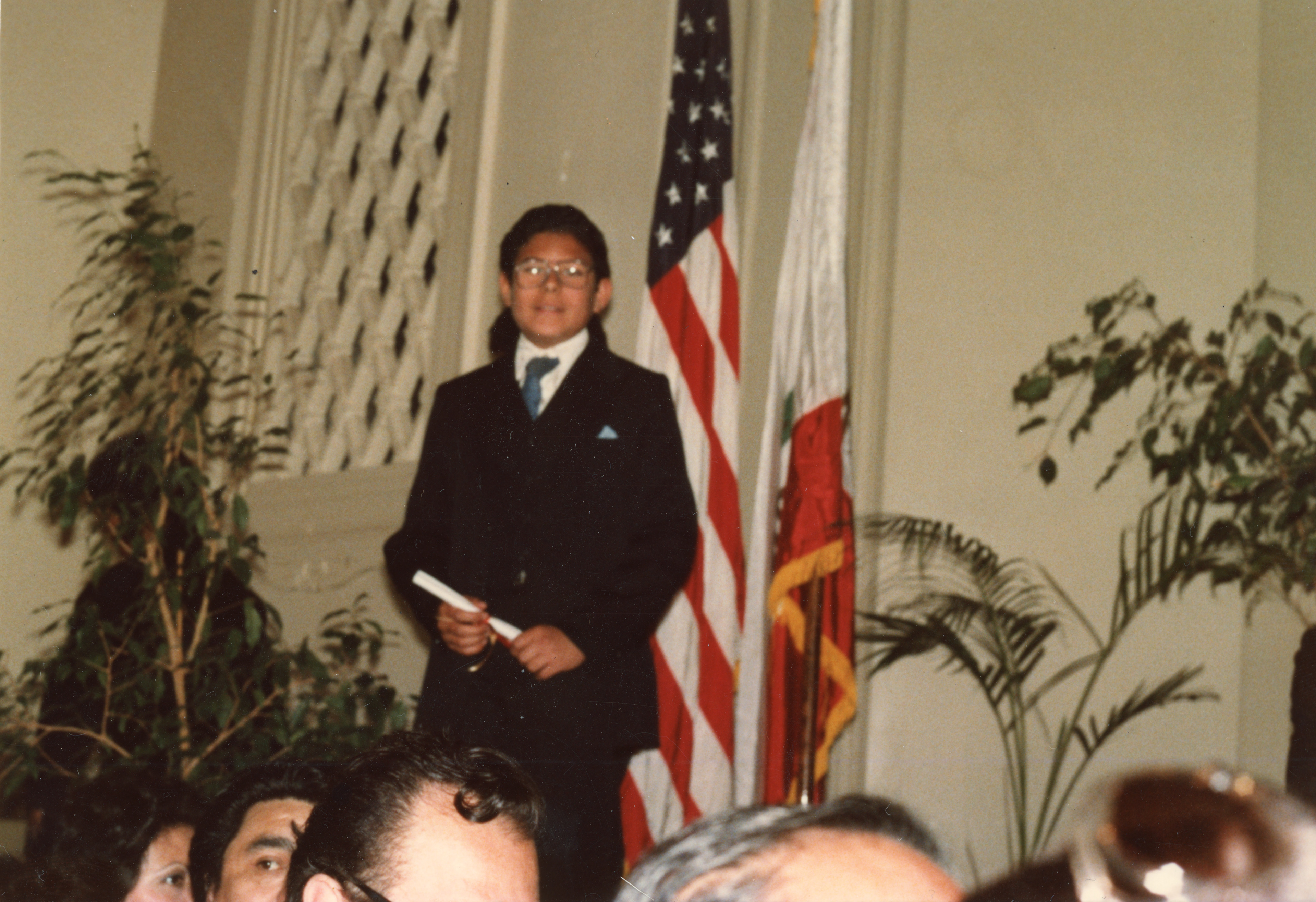
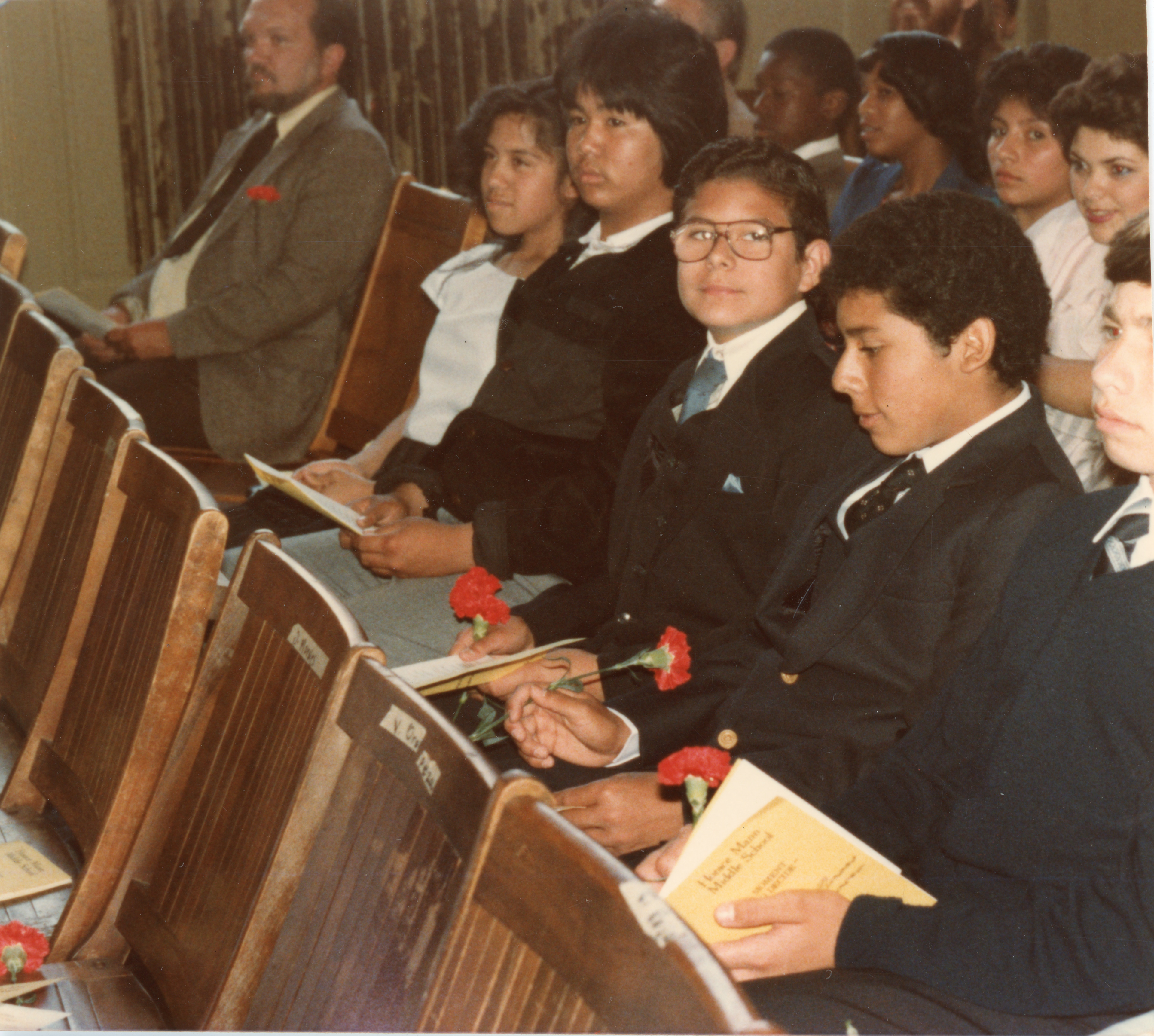
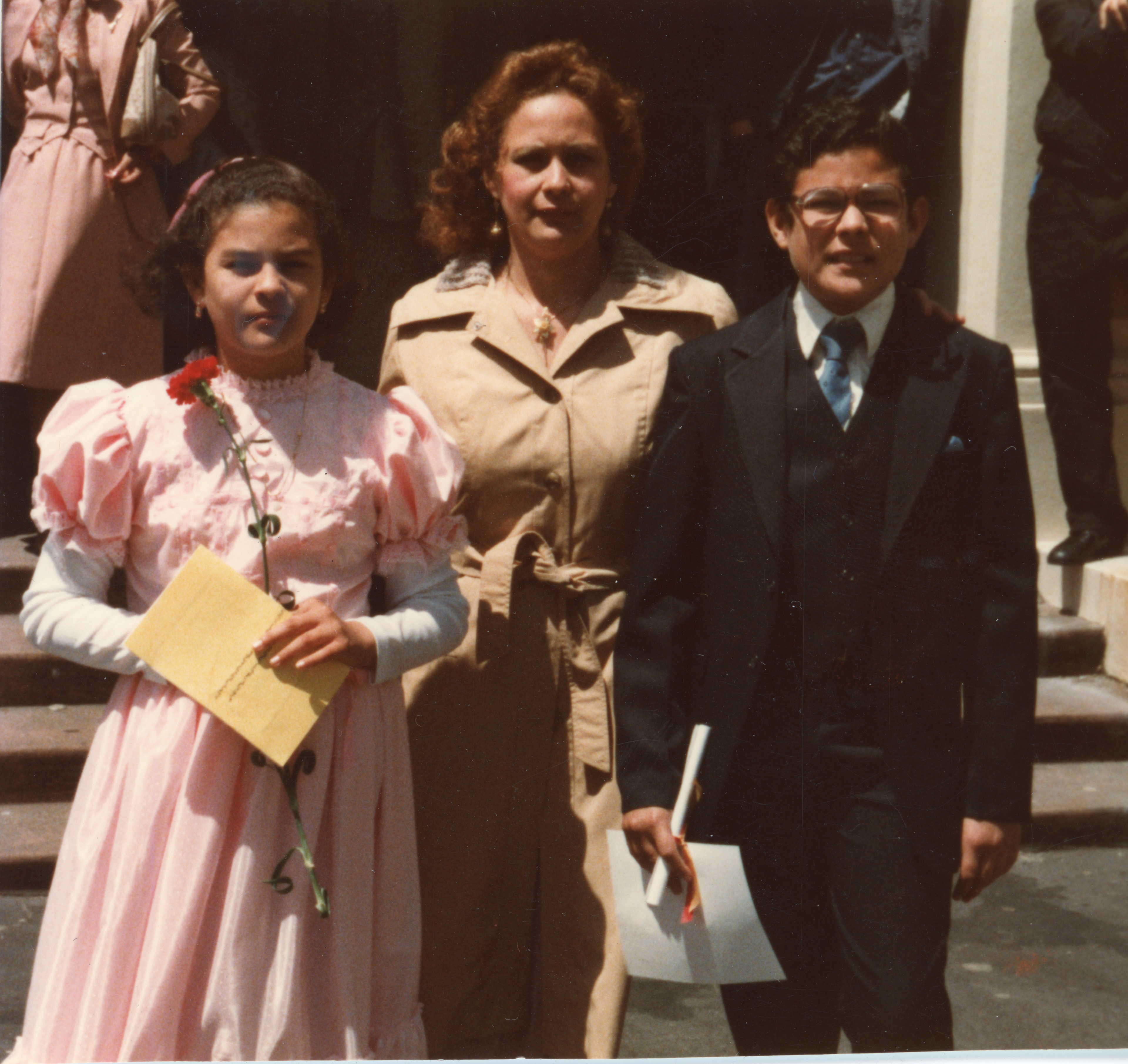
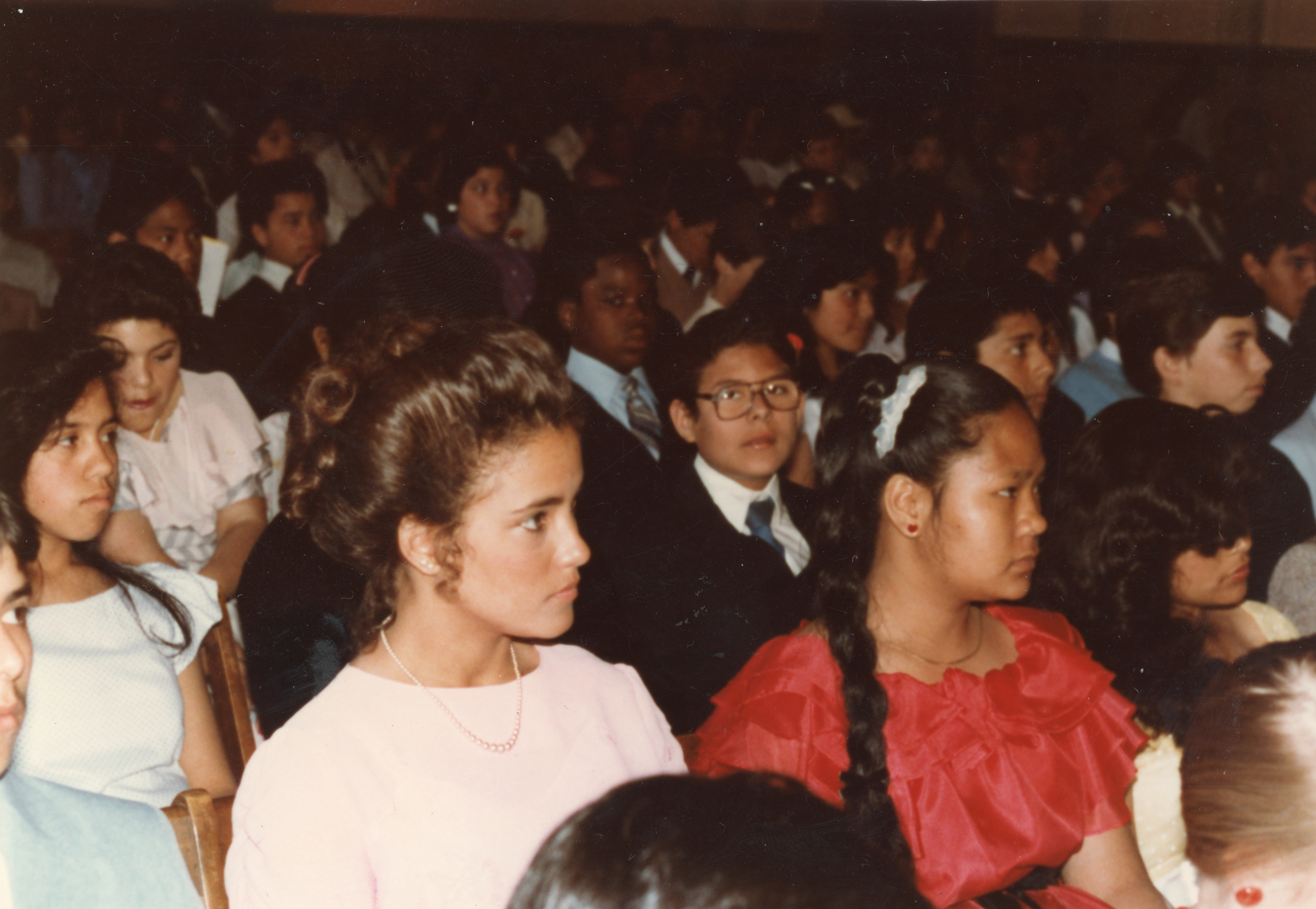
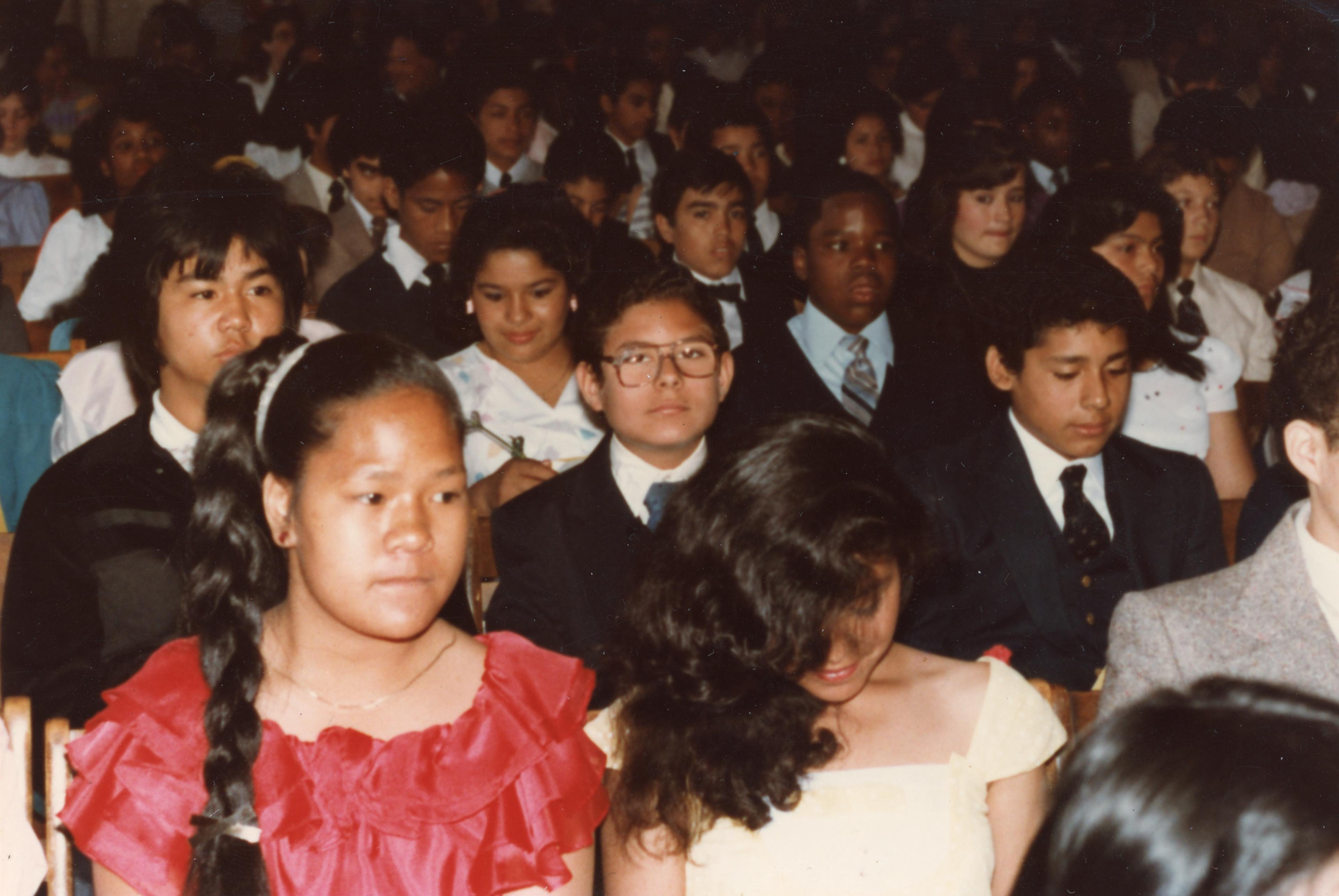
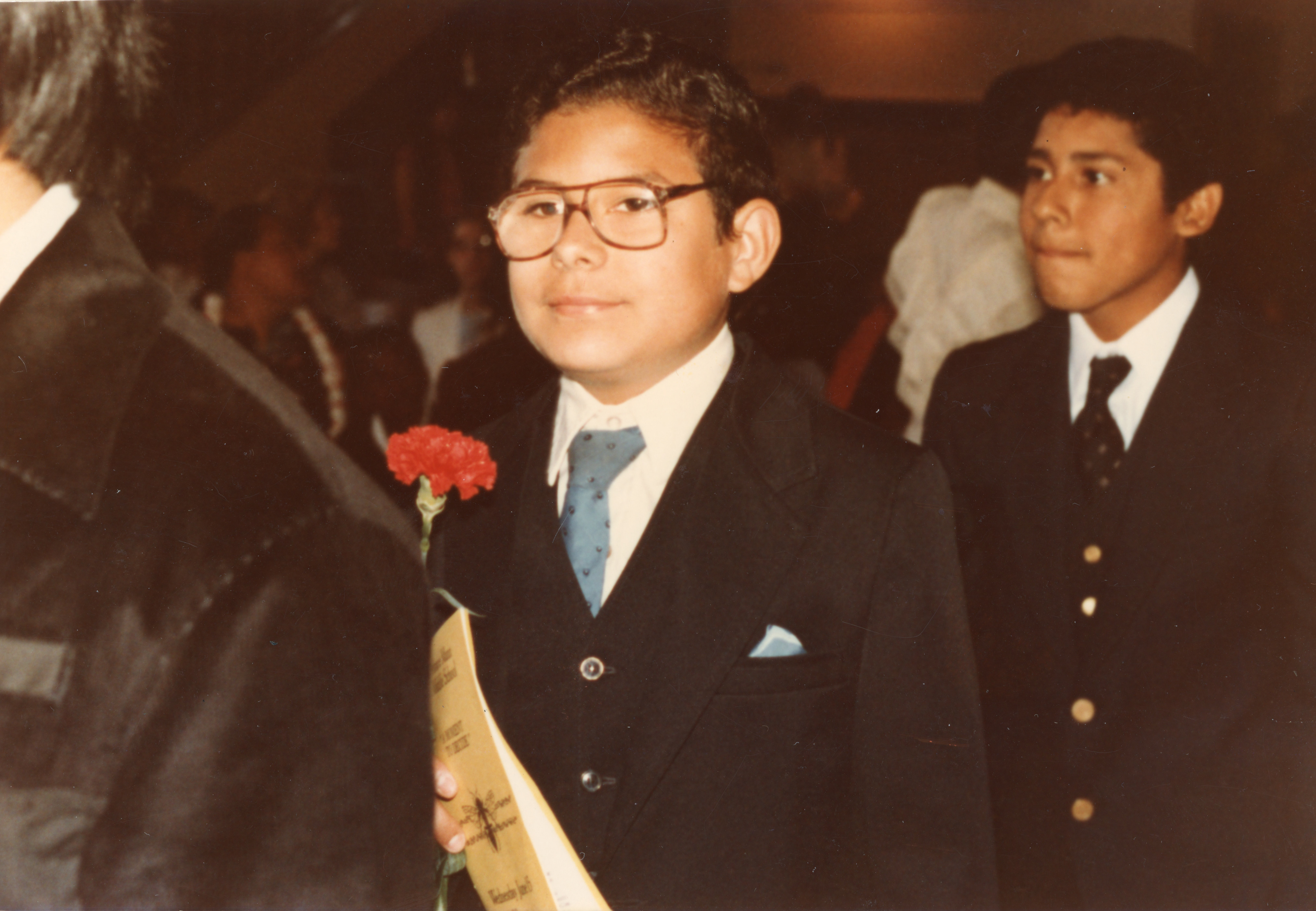
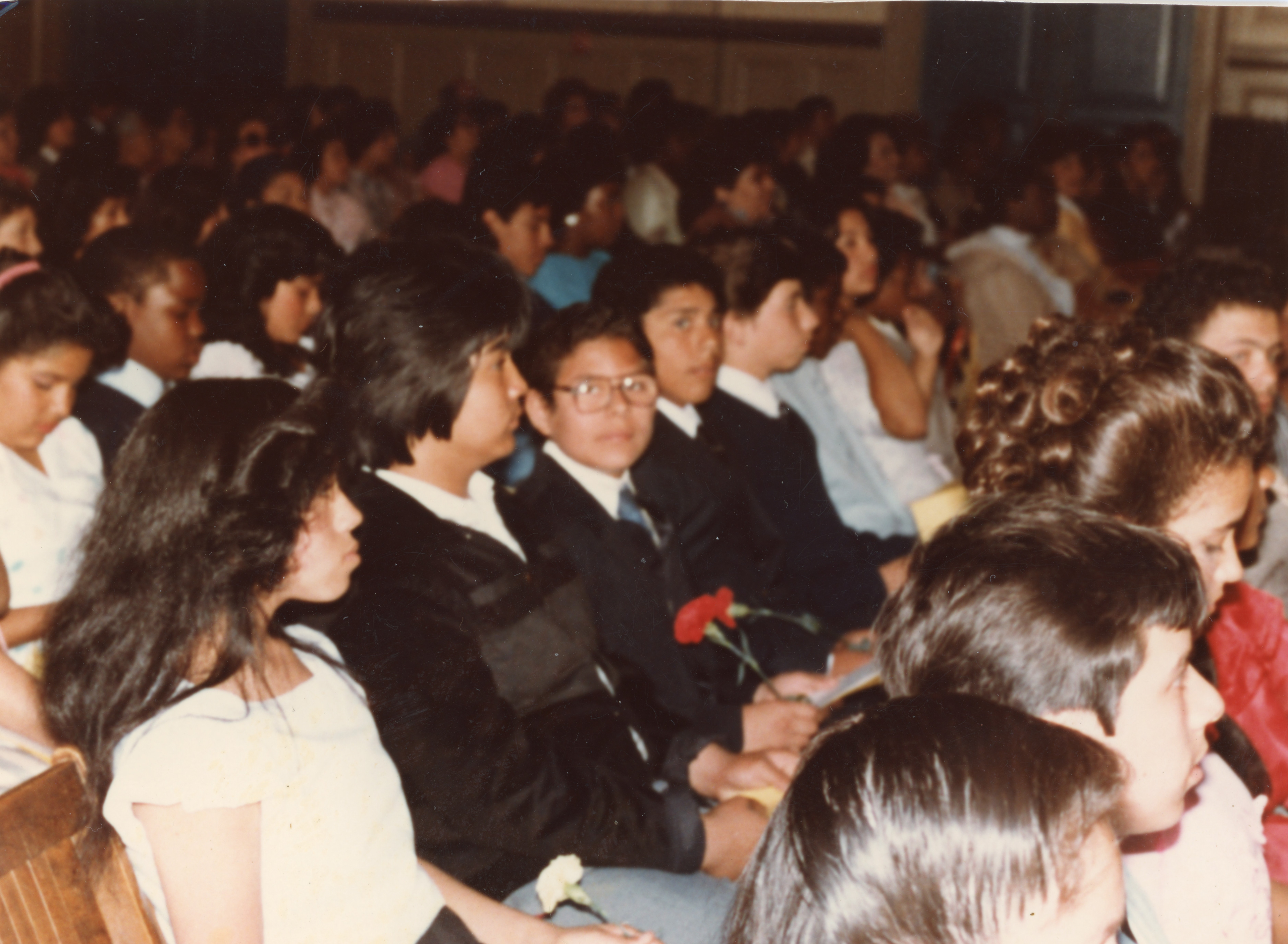
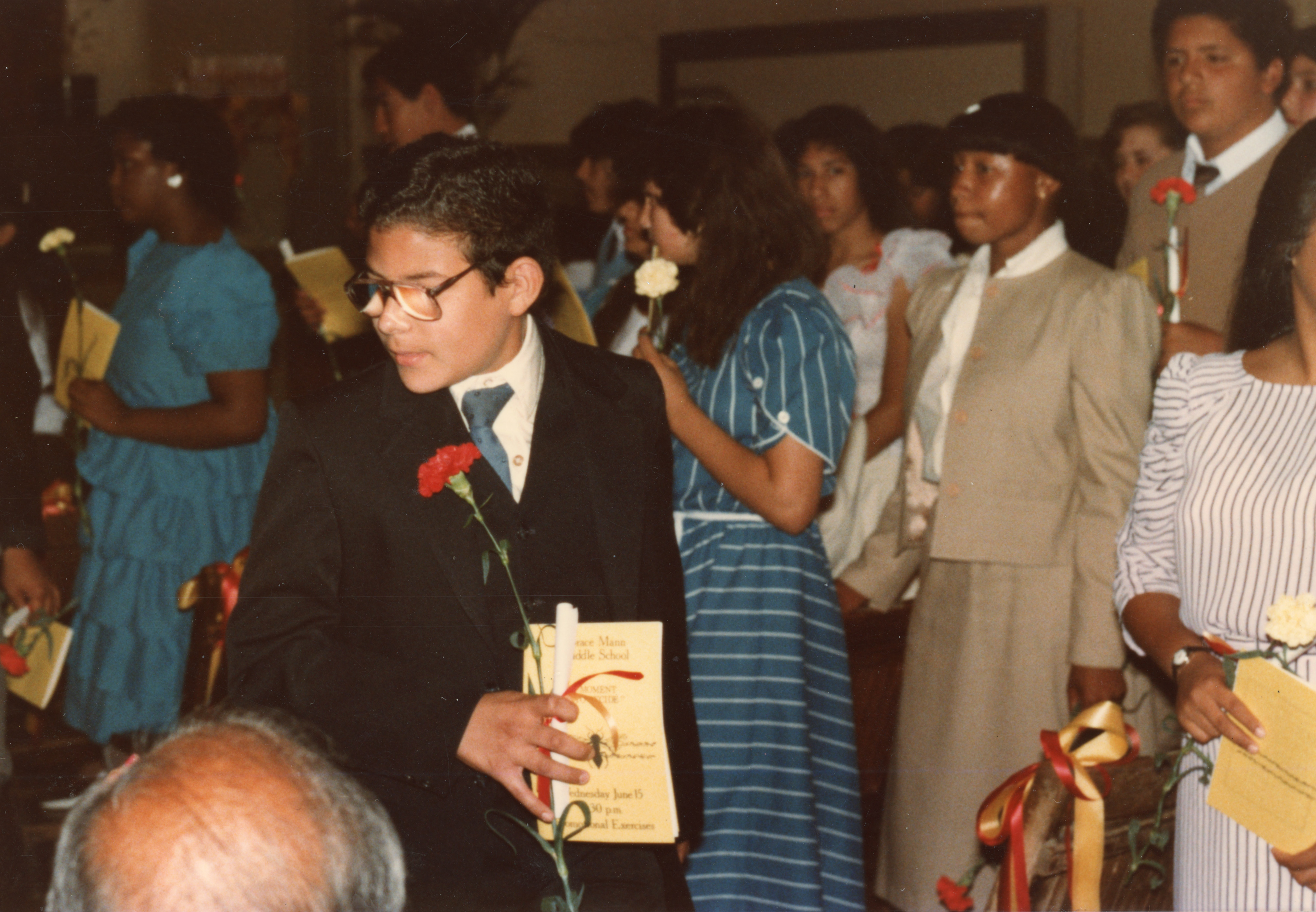
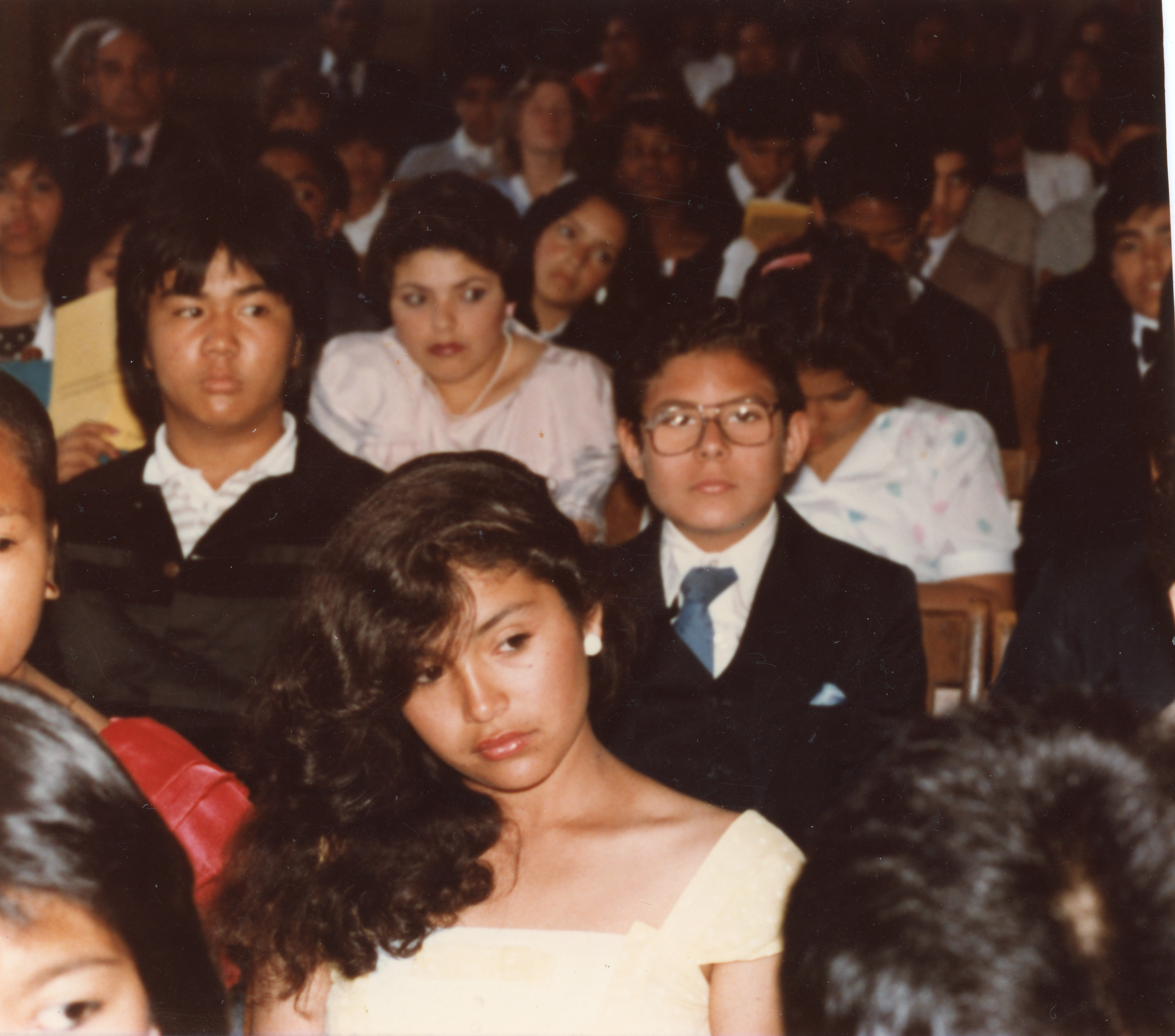
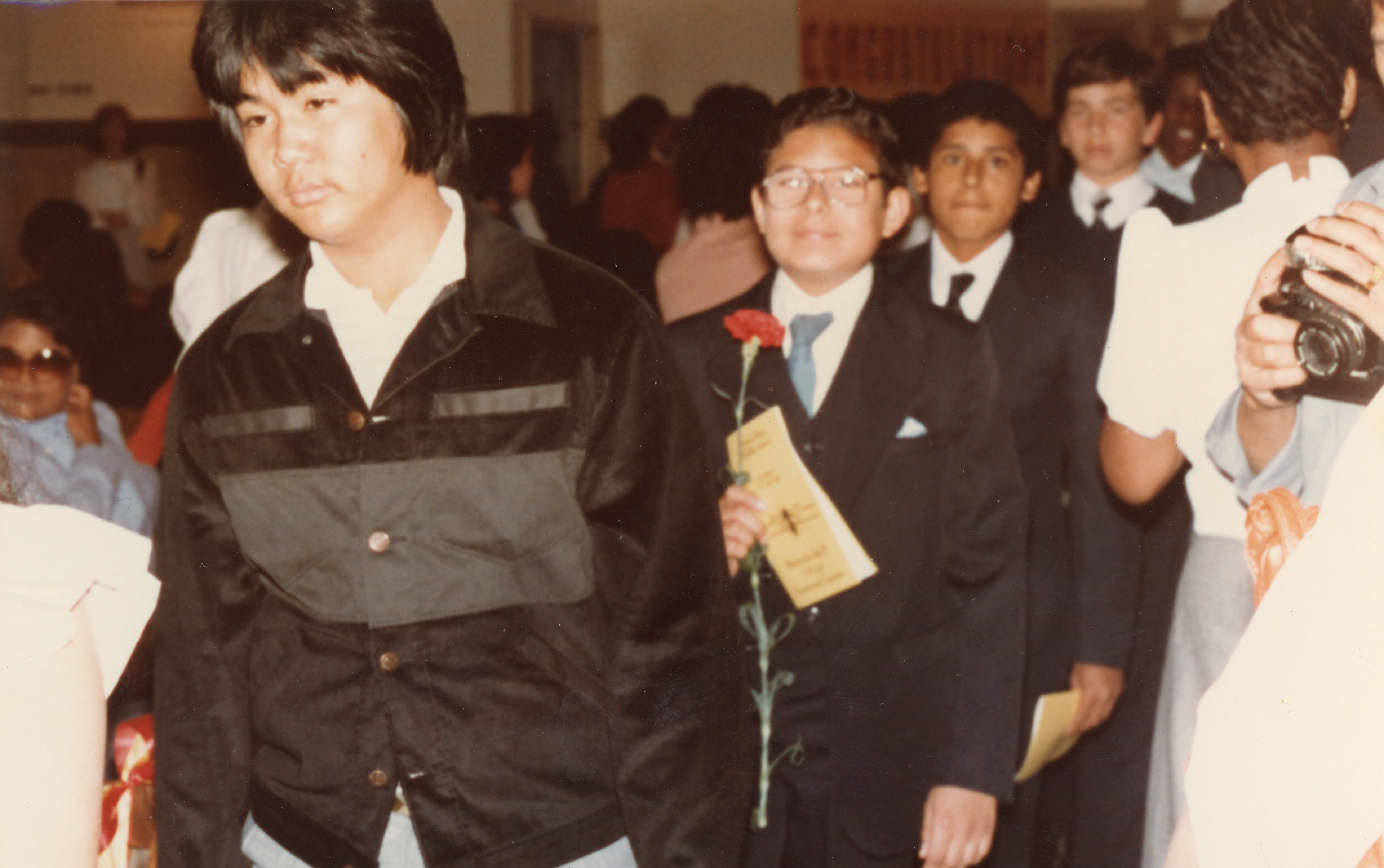
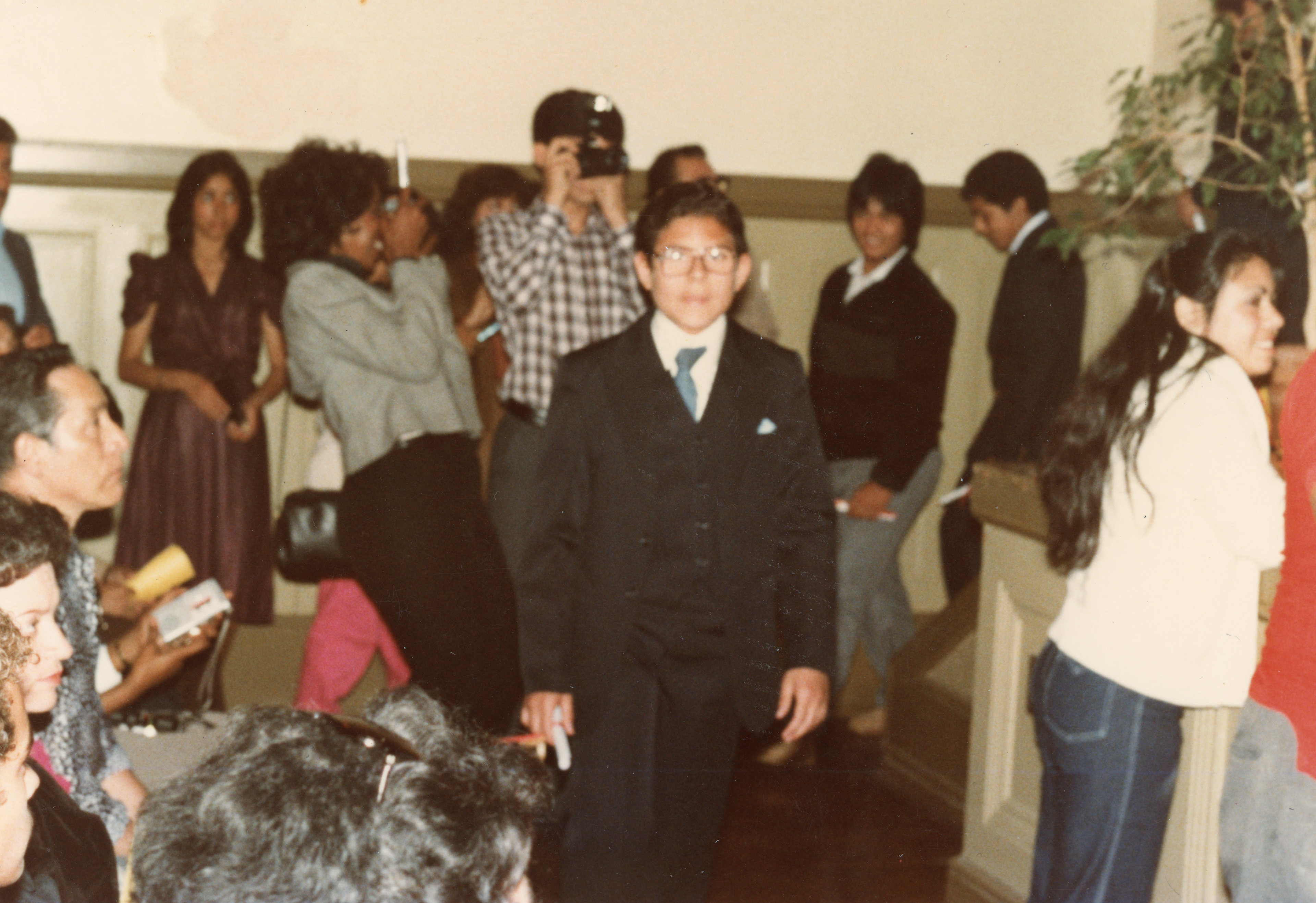
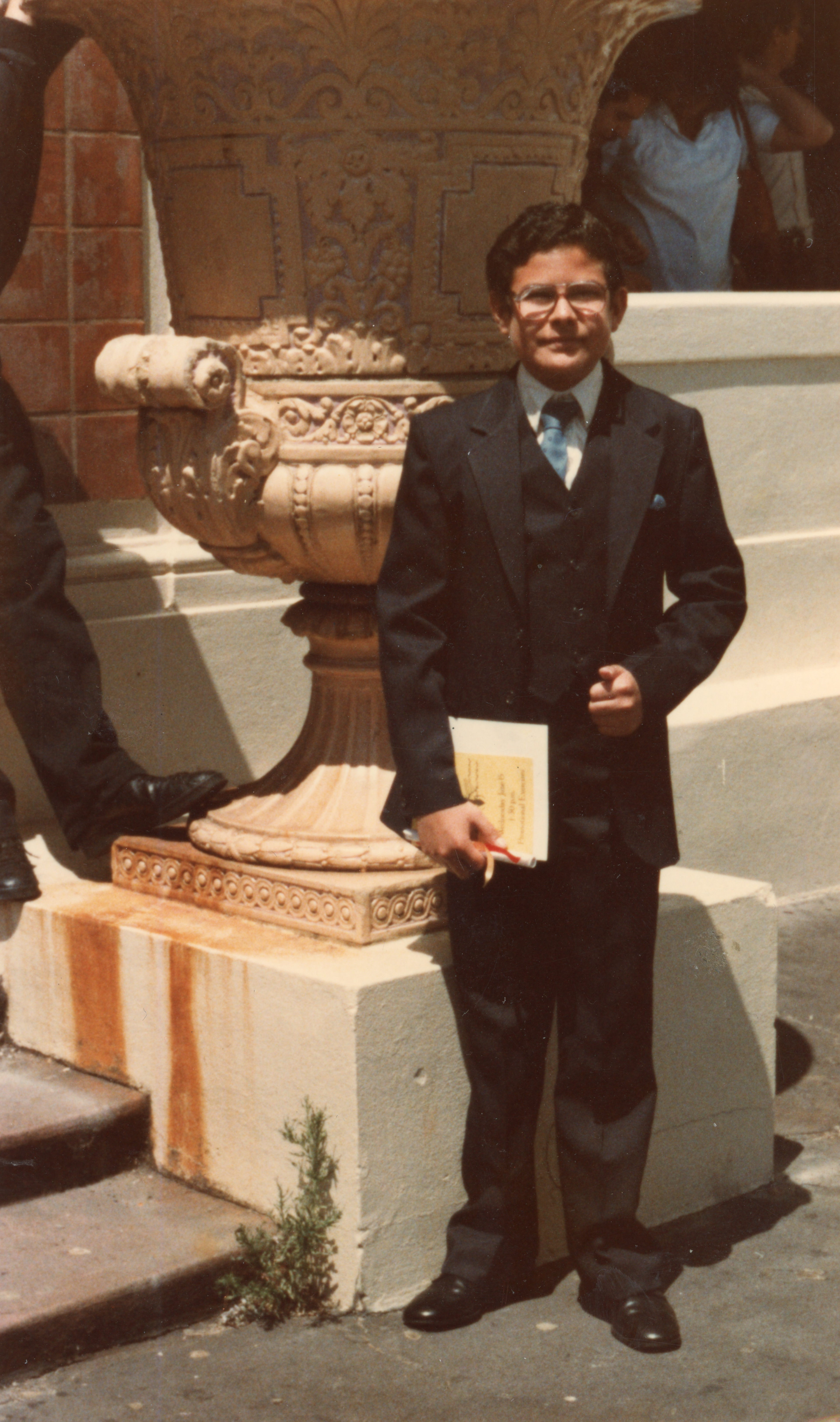
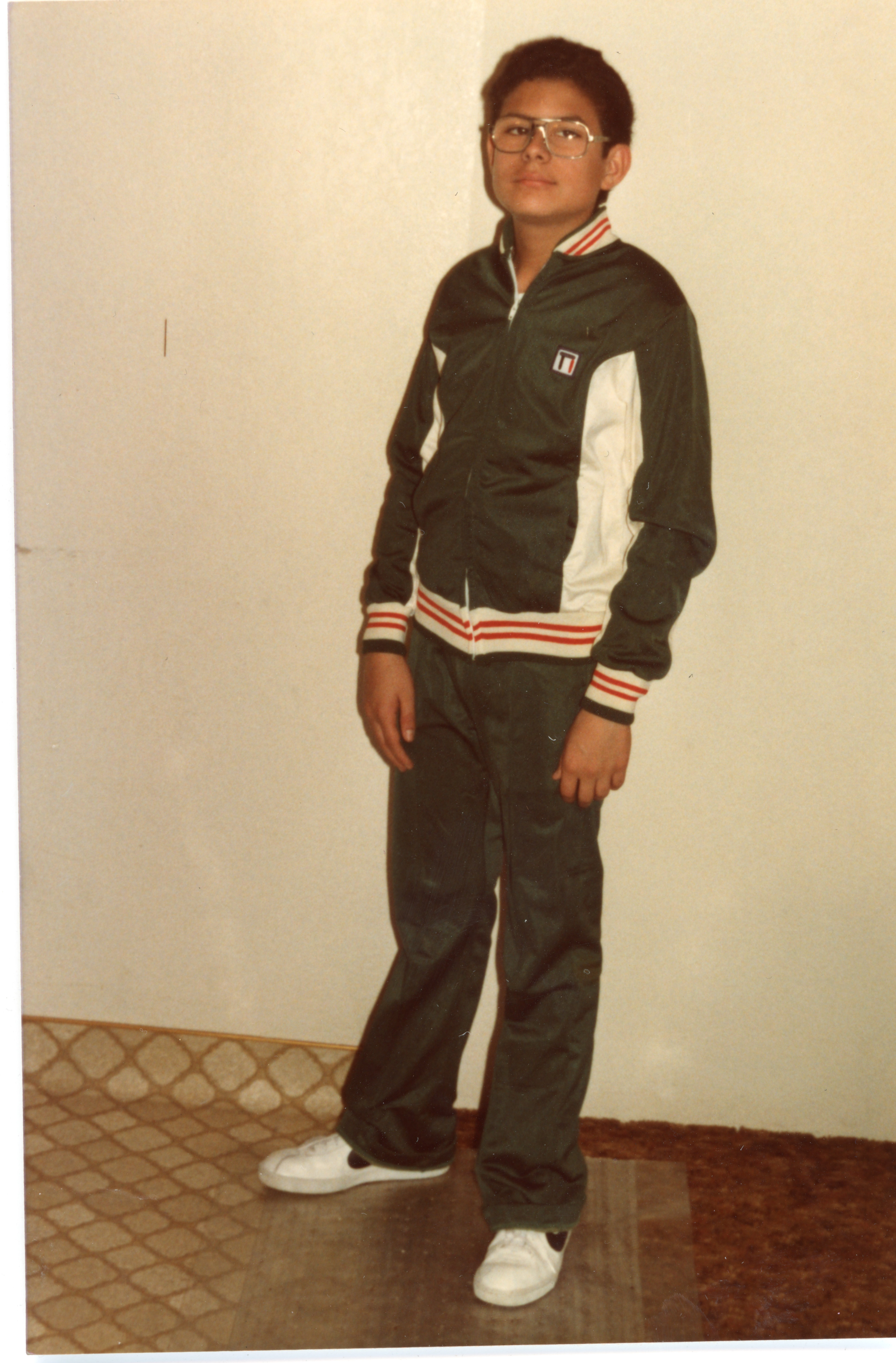
Jorge W. Leyton Jr, Middle School graduation
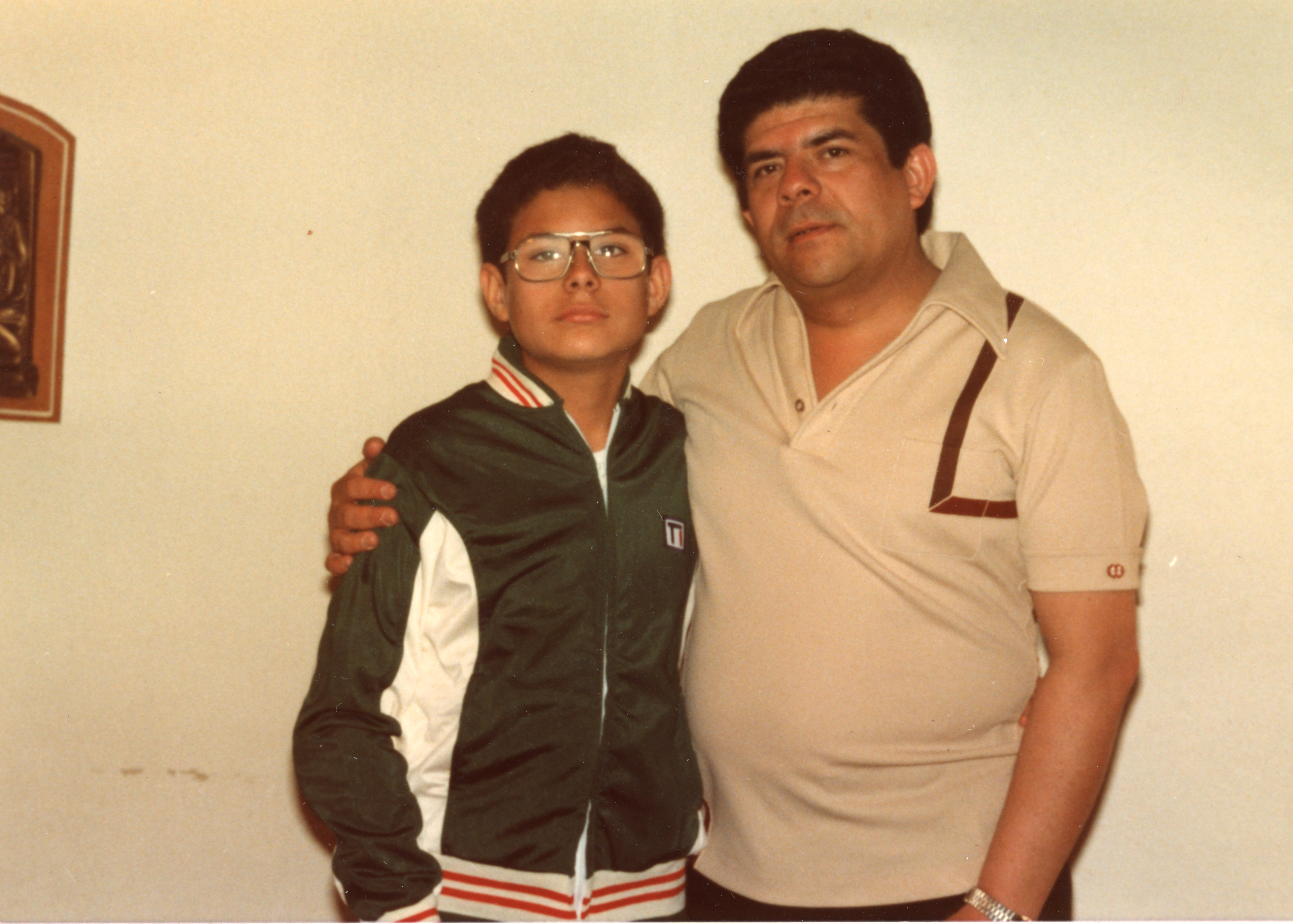
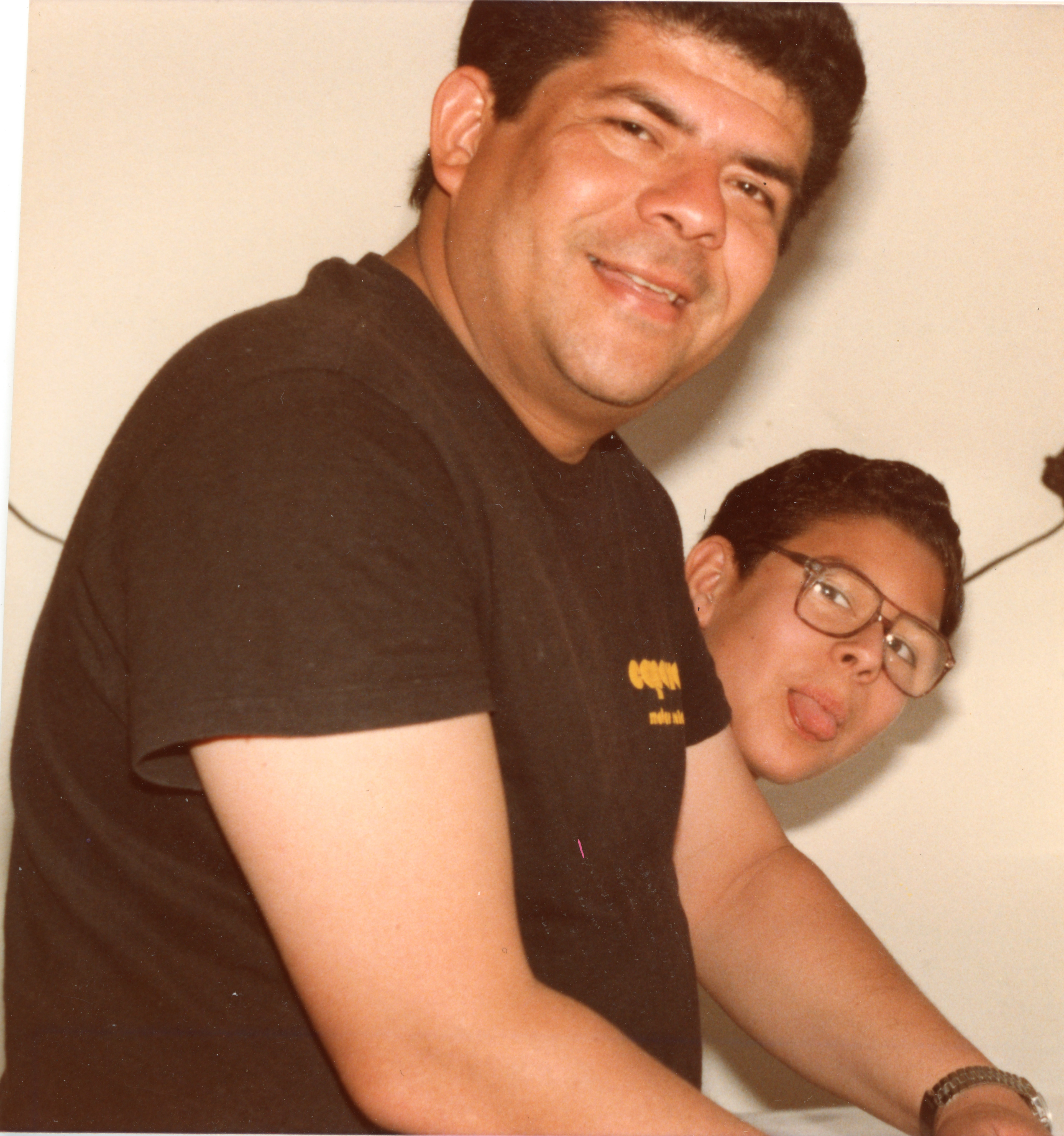
Jorge W. Leyton Jr with Jorge W. Leyton Sr
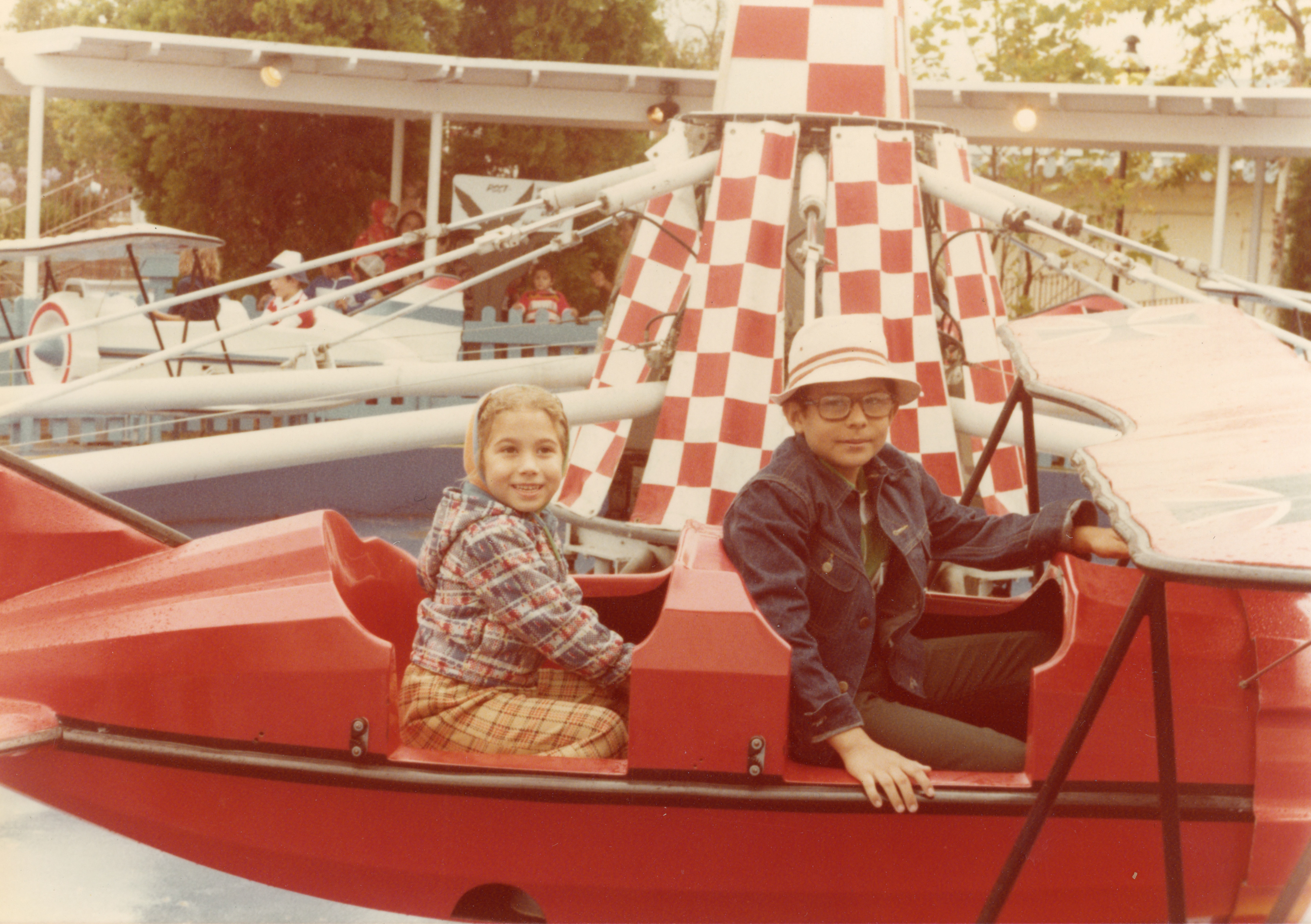
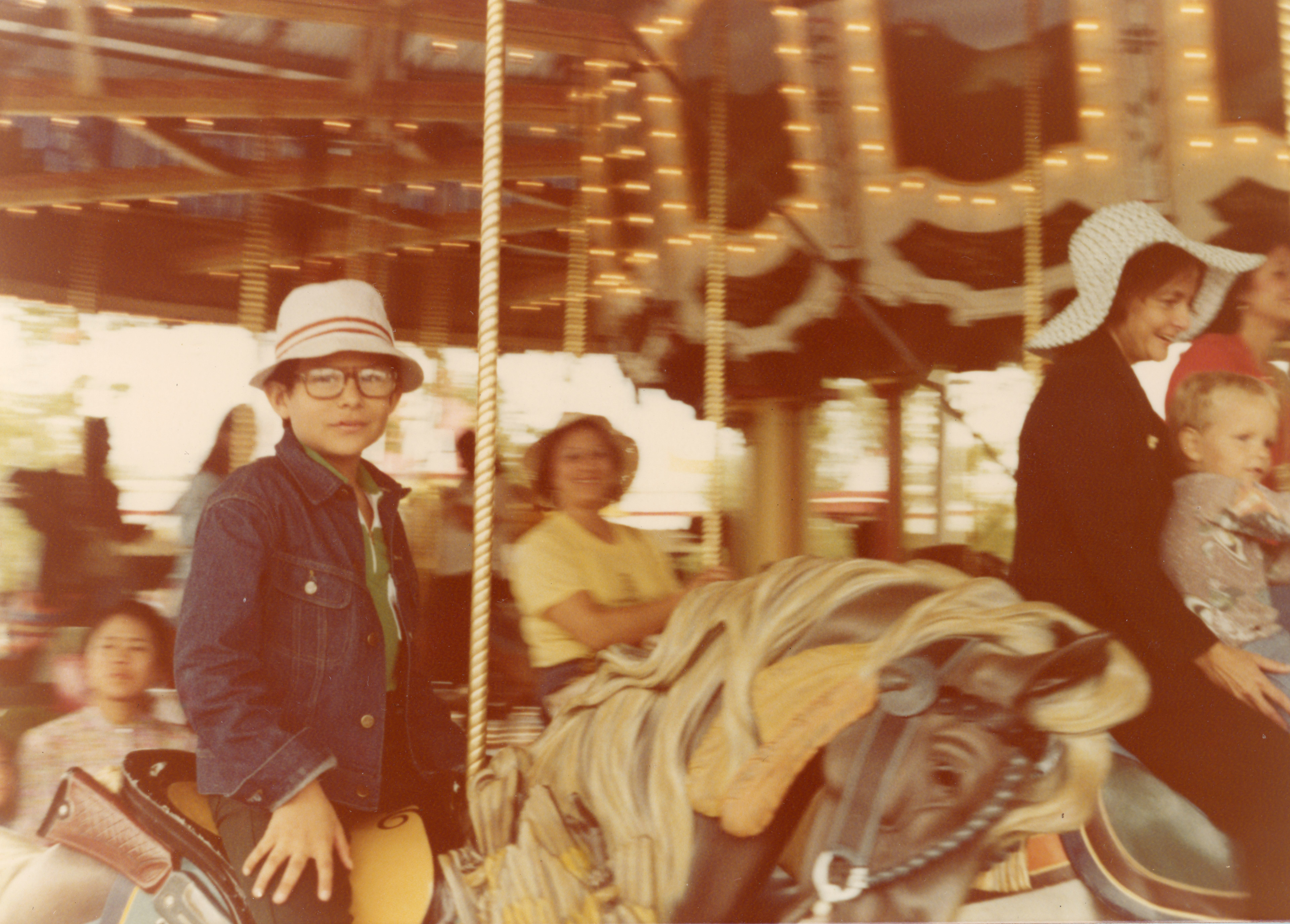
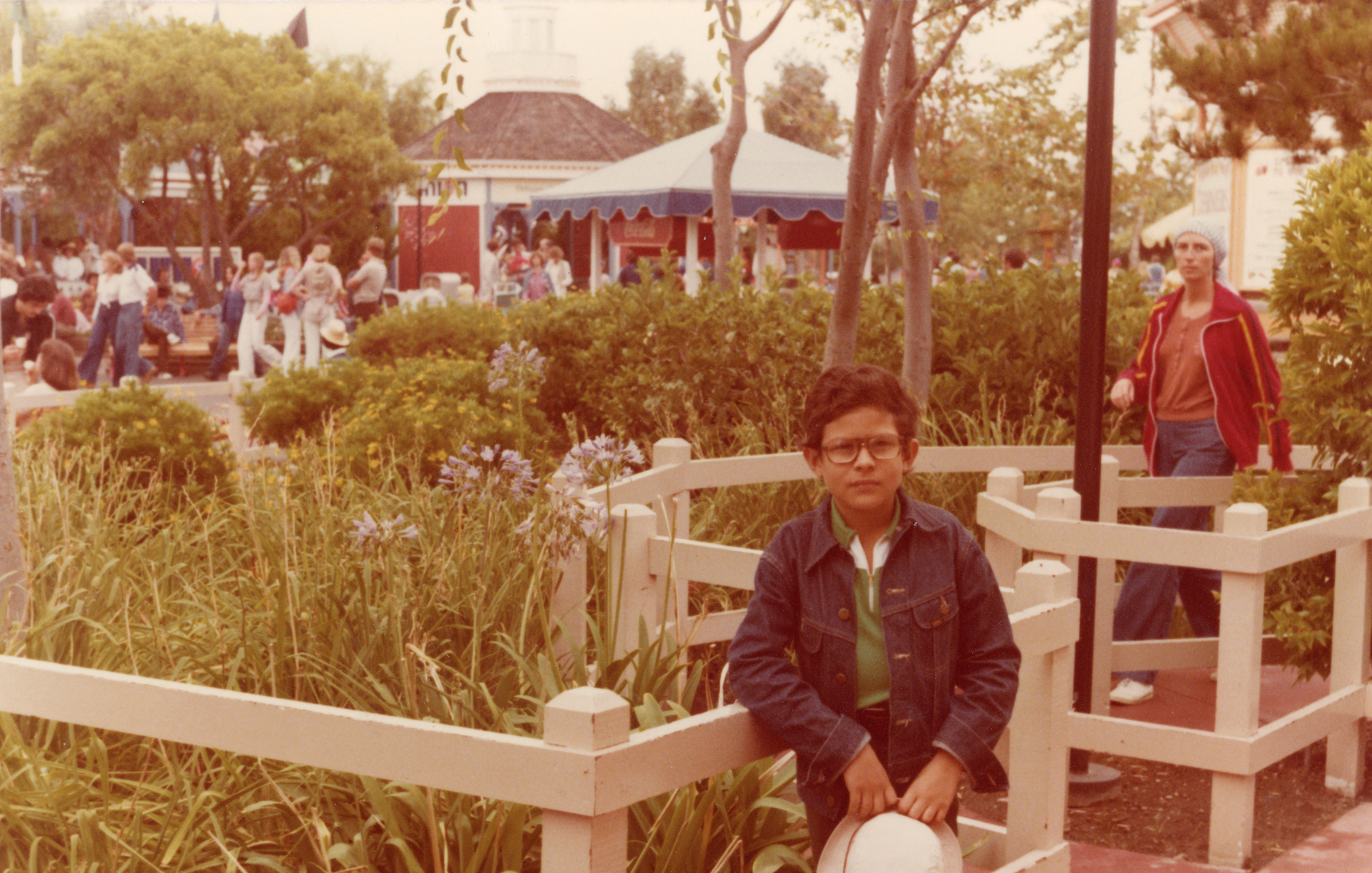
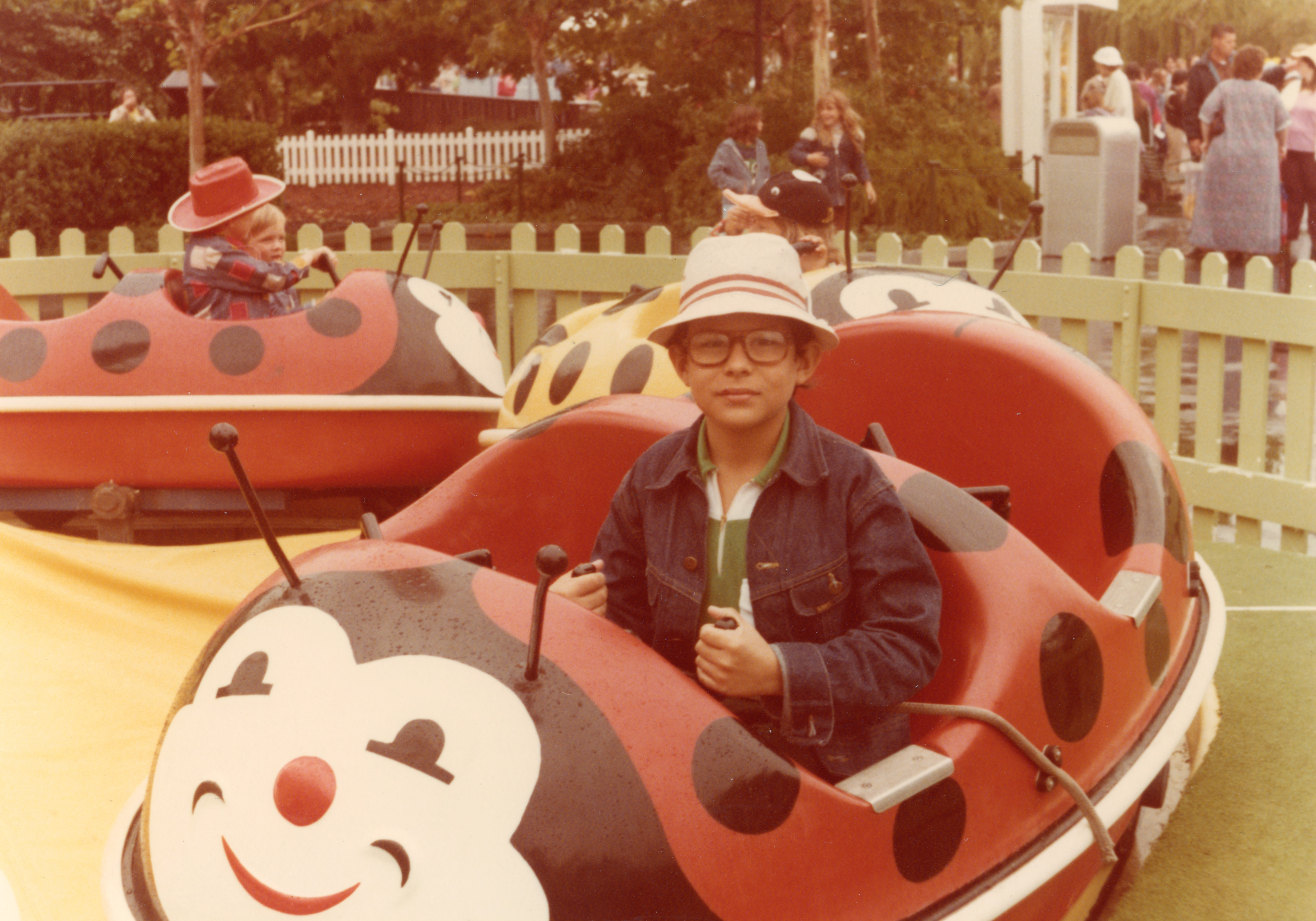
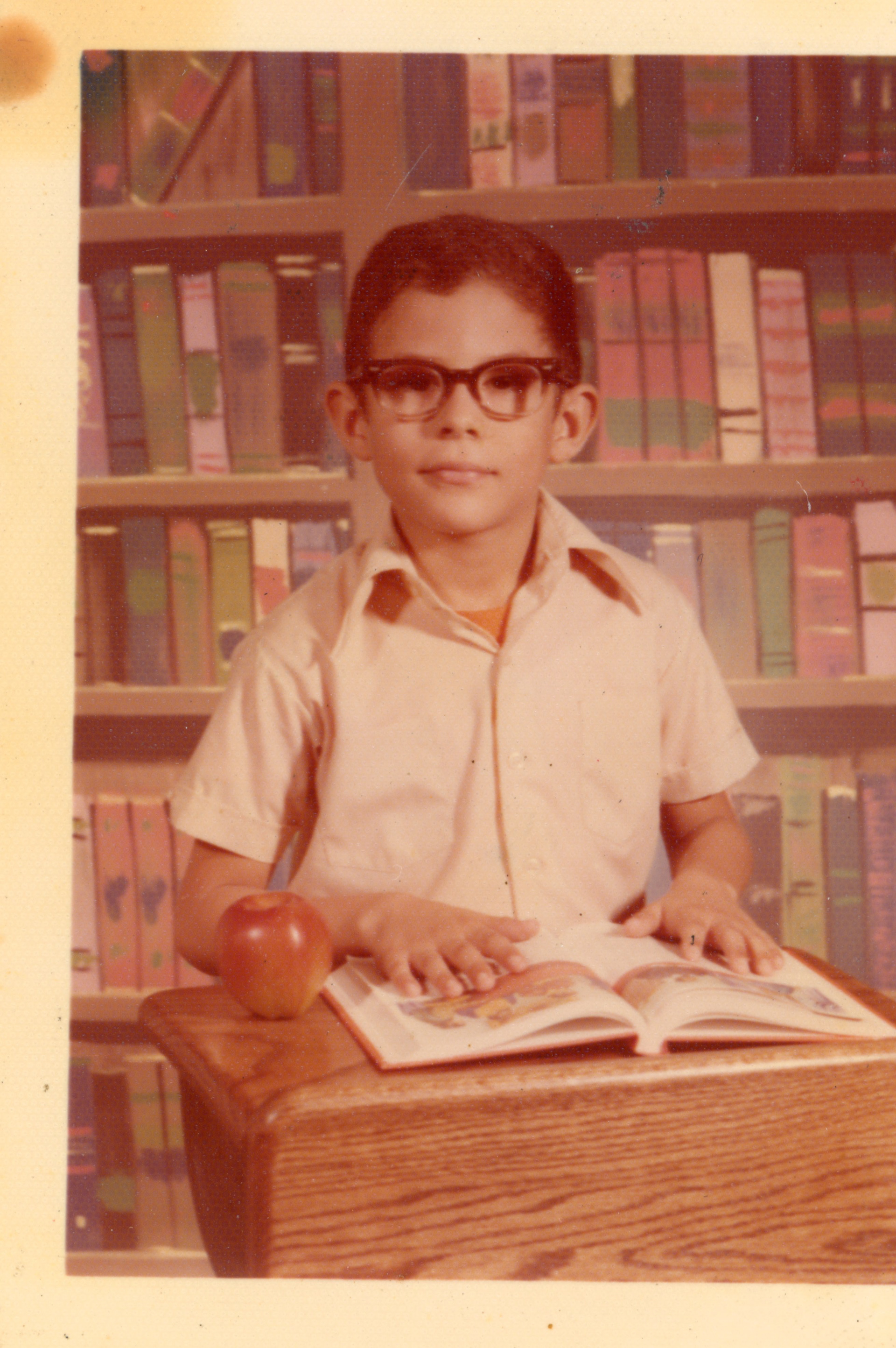
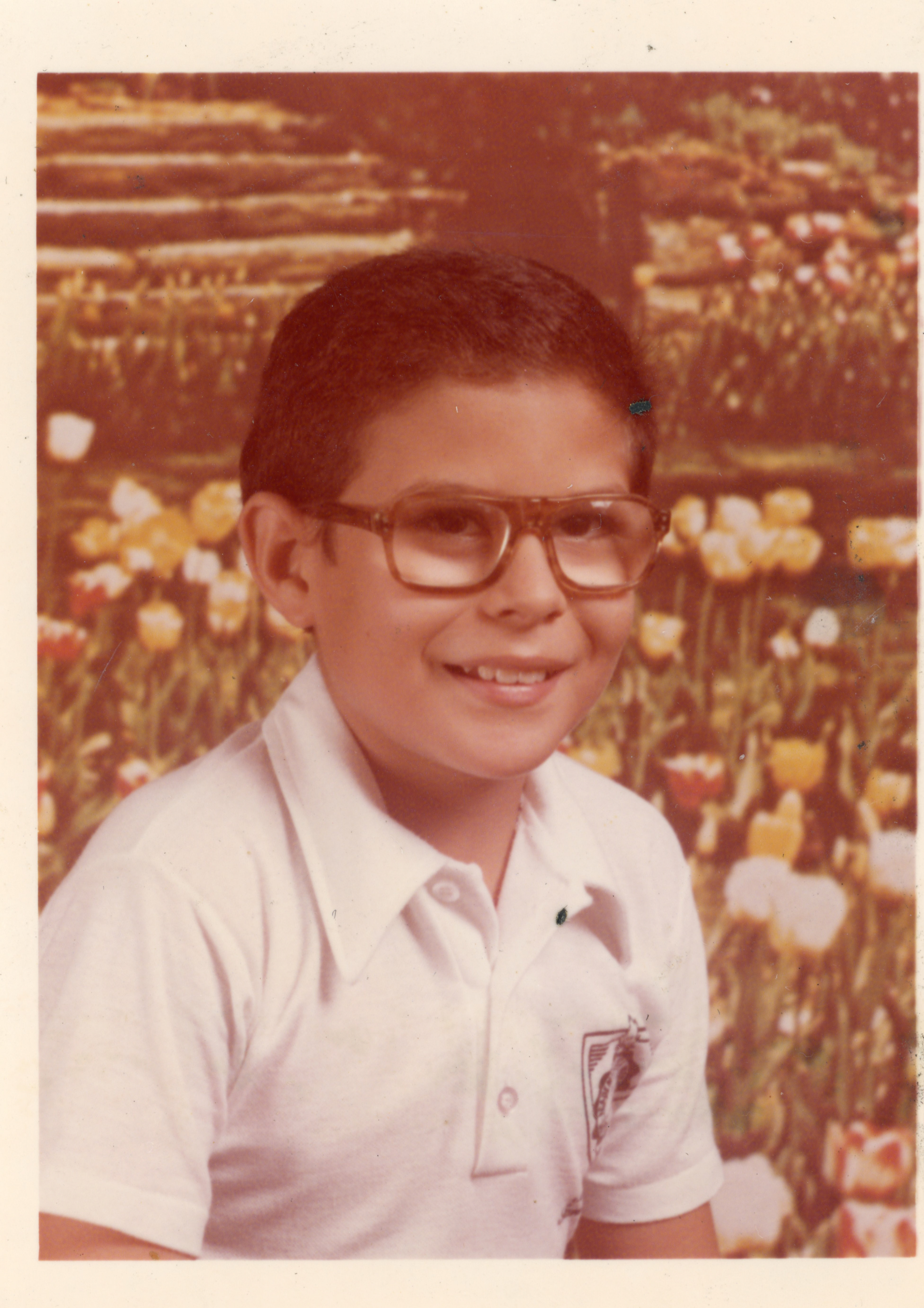
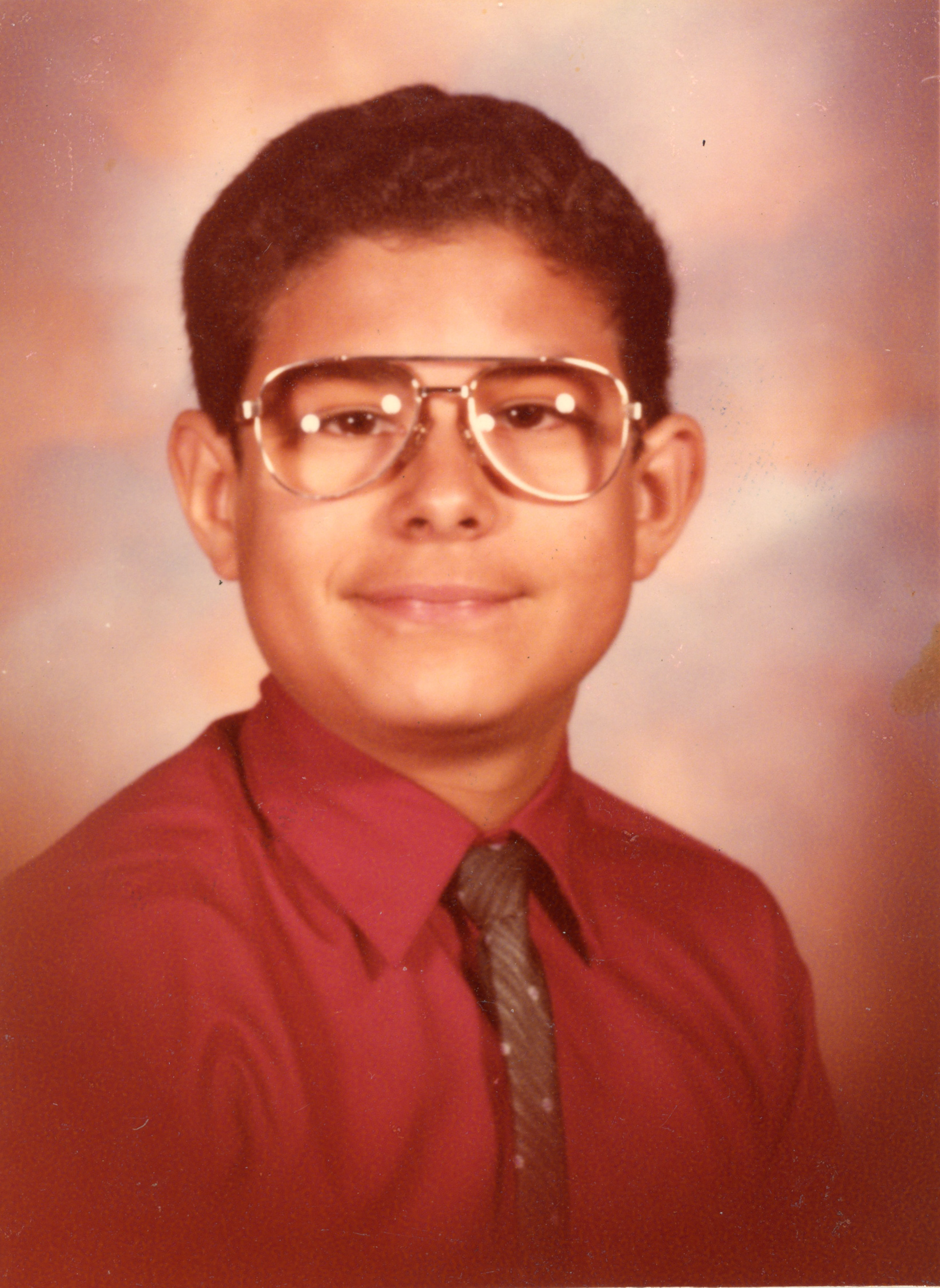
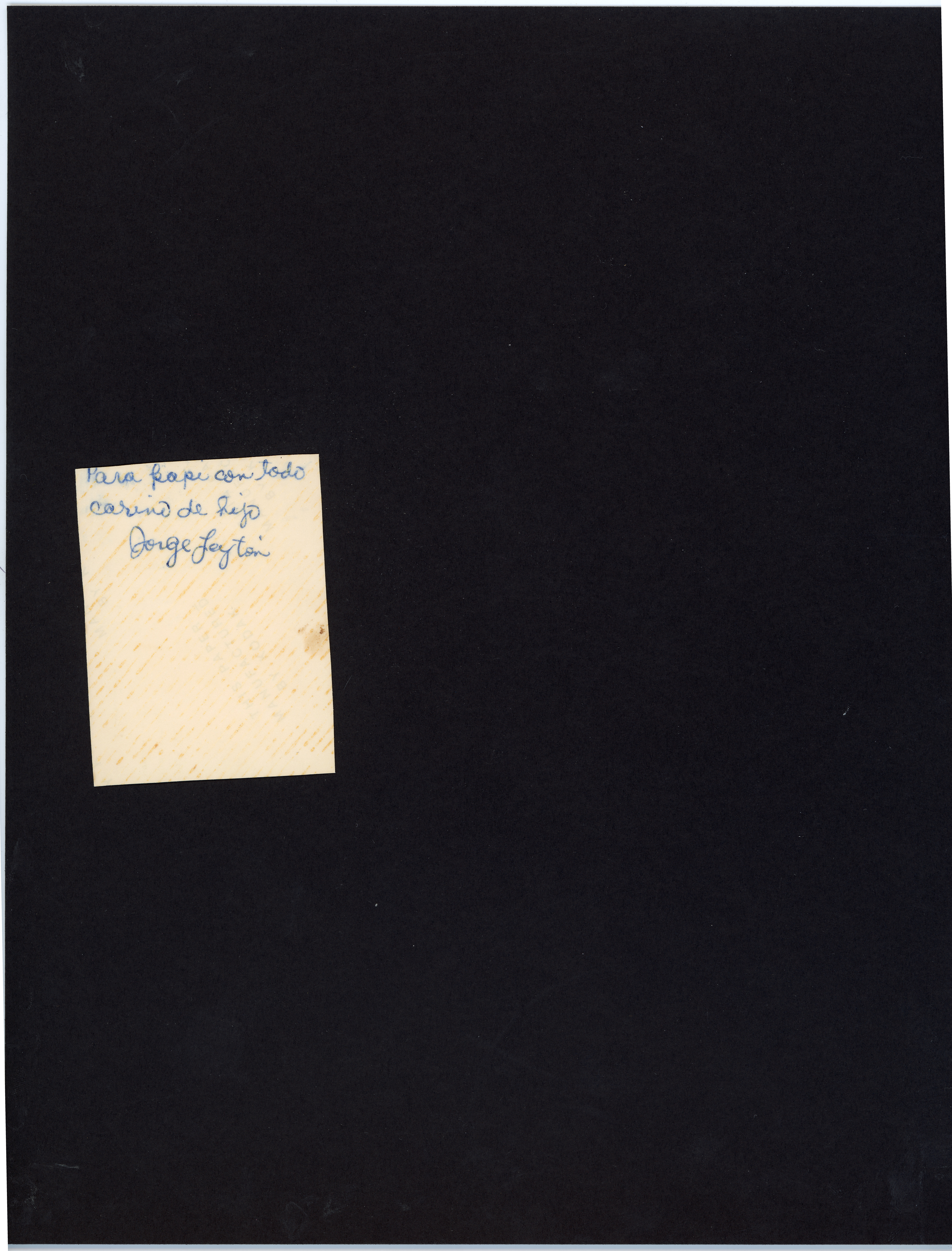
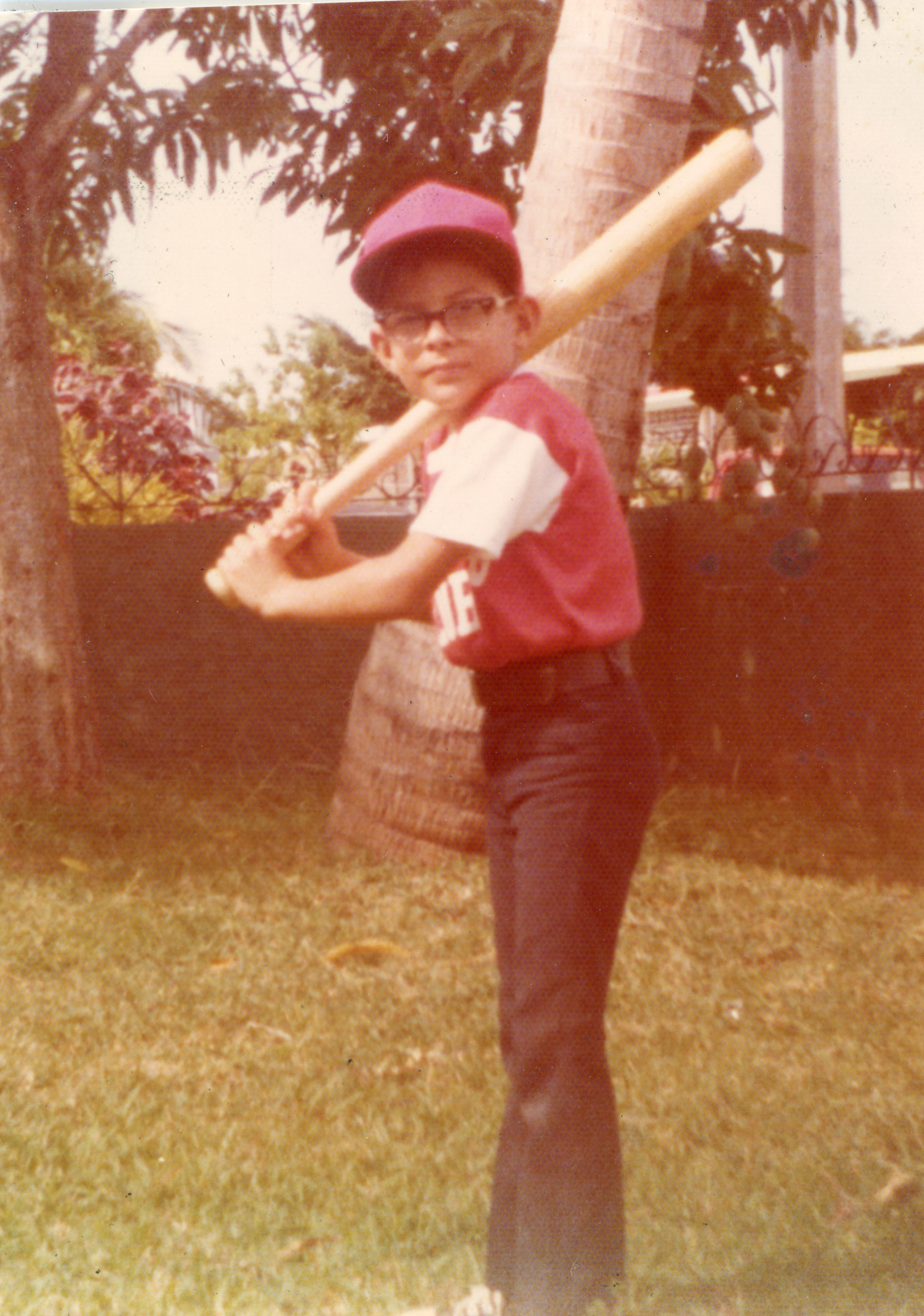
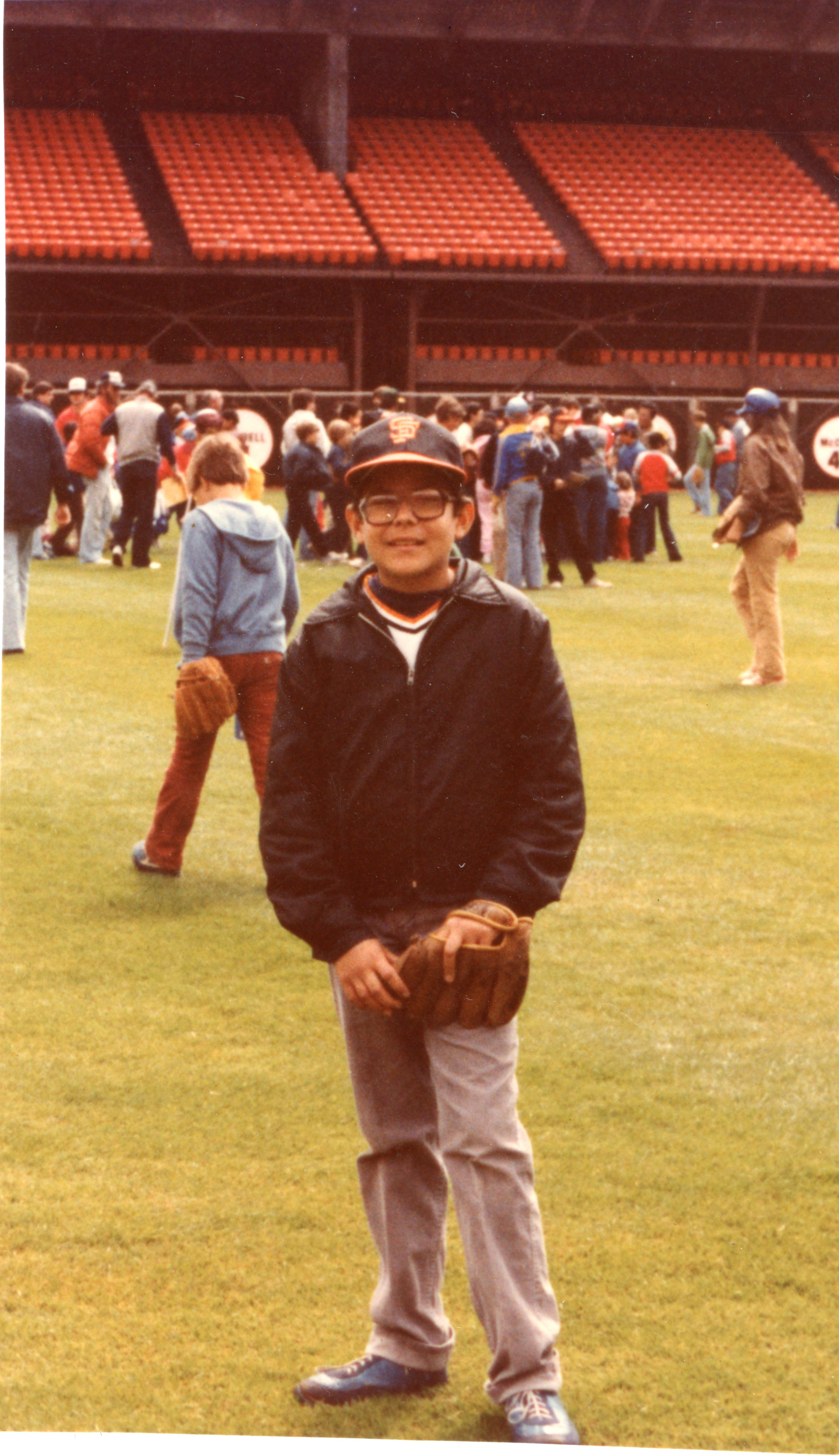
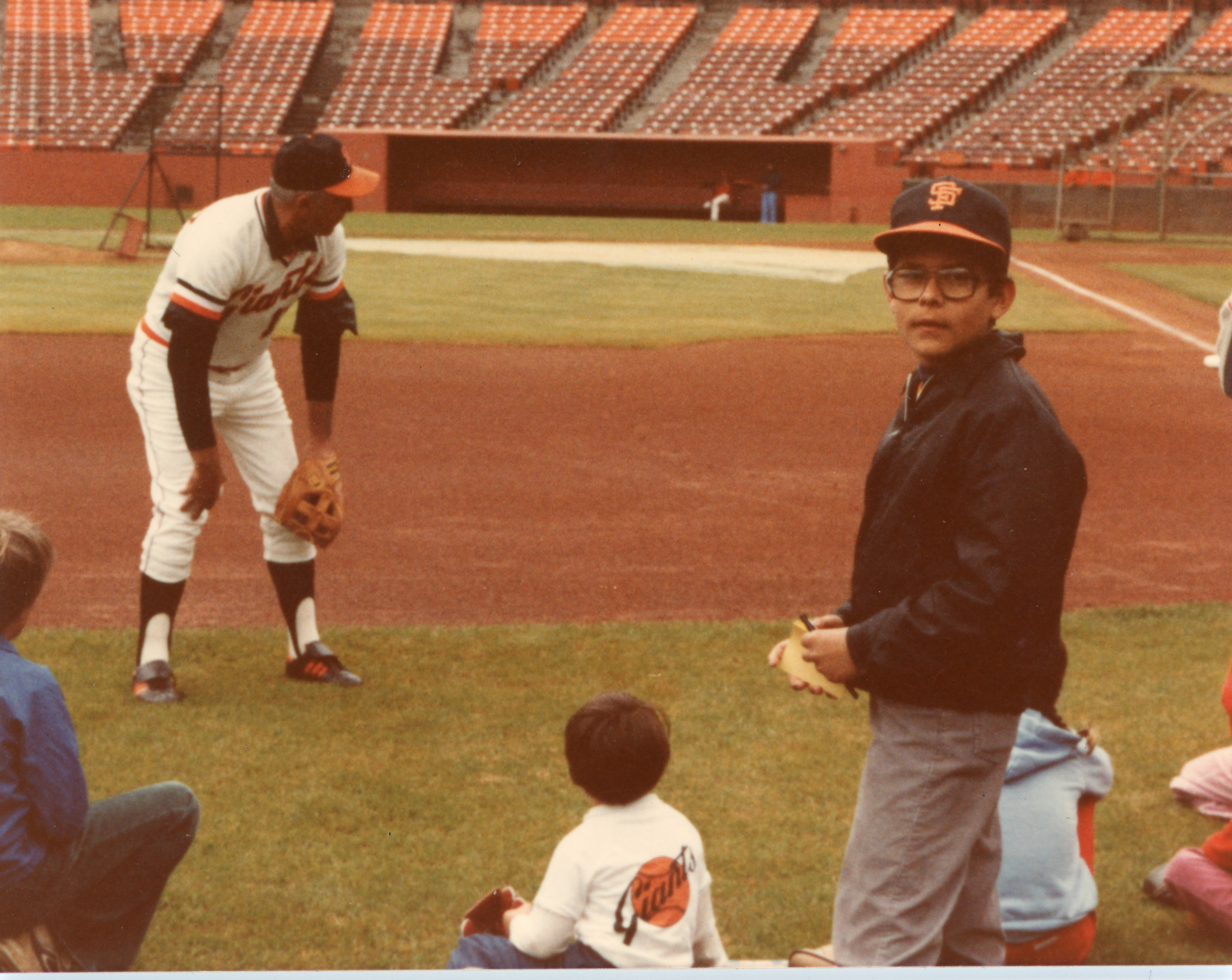
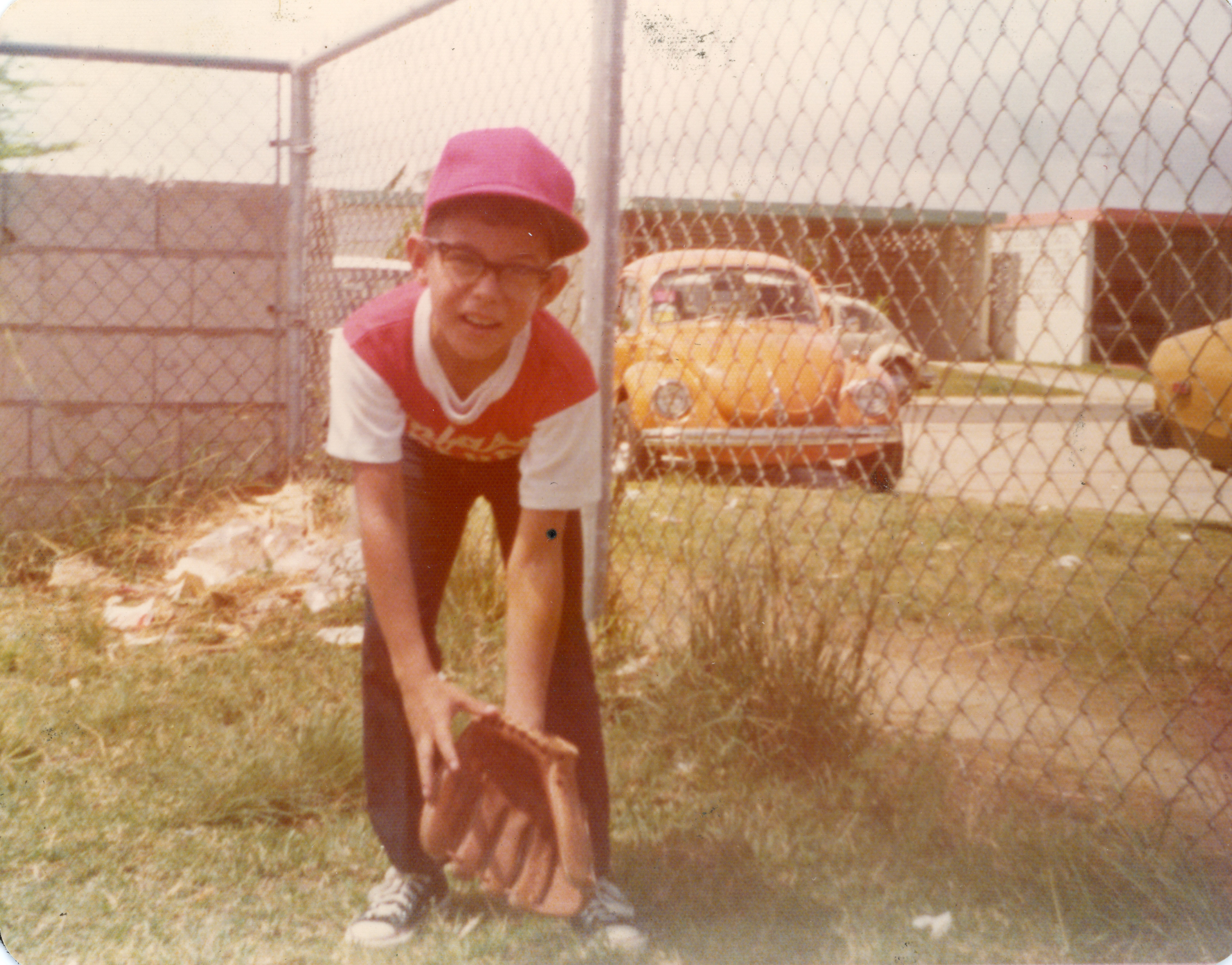
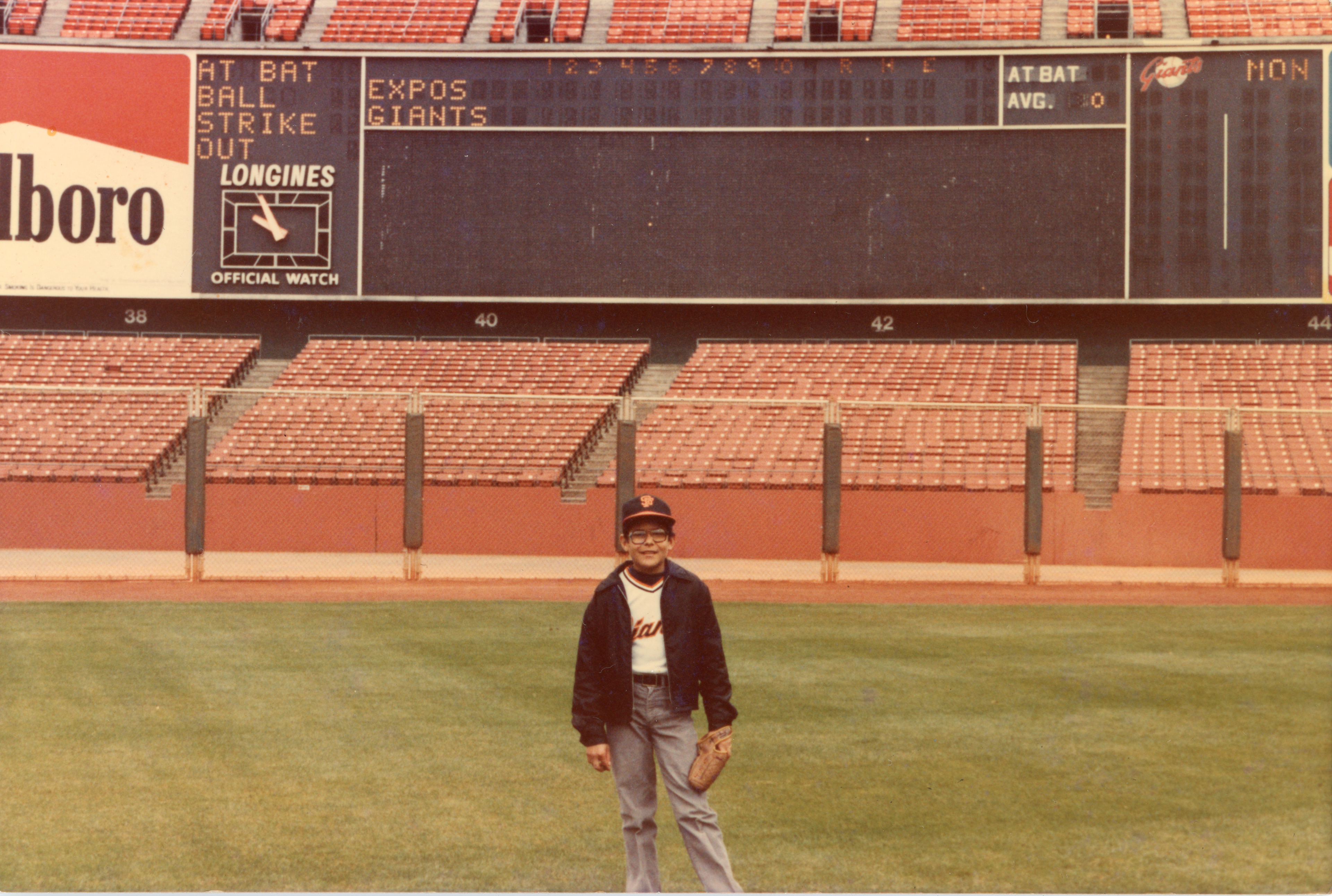
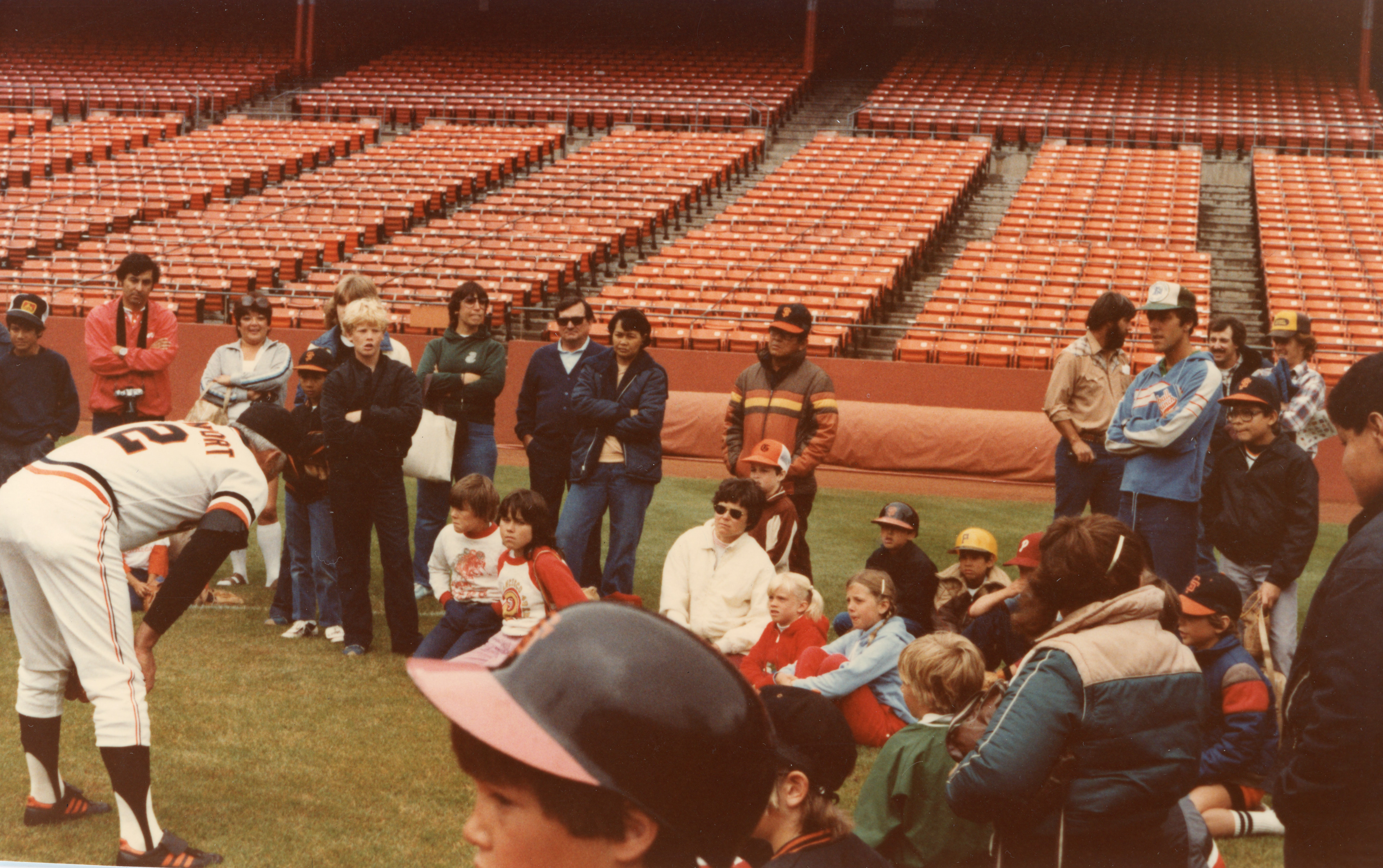
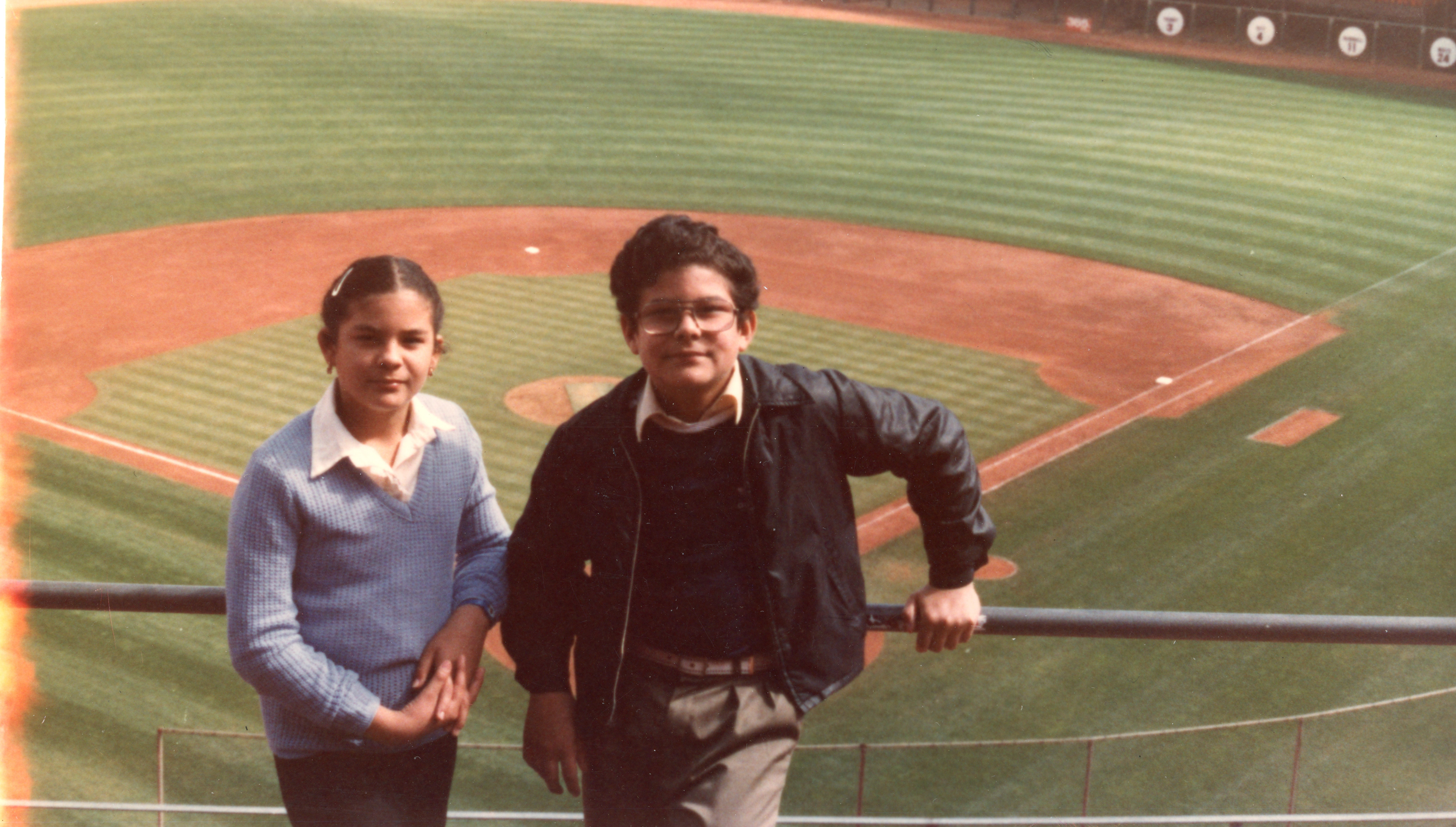
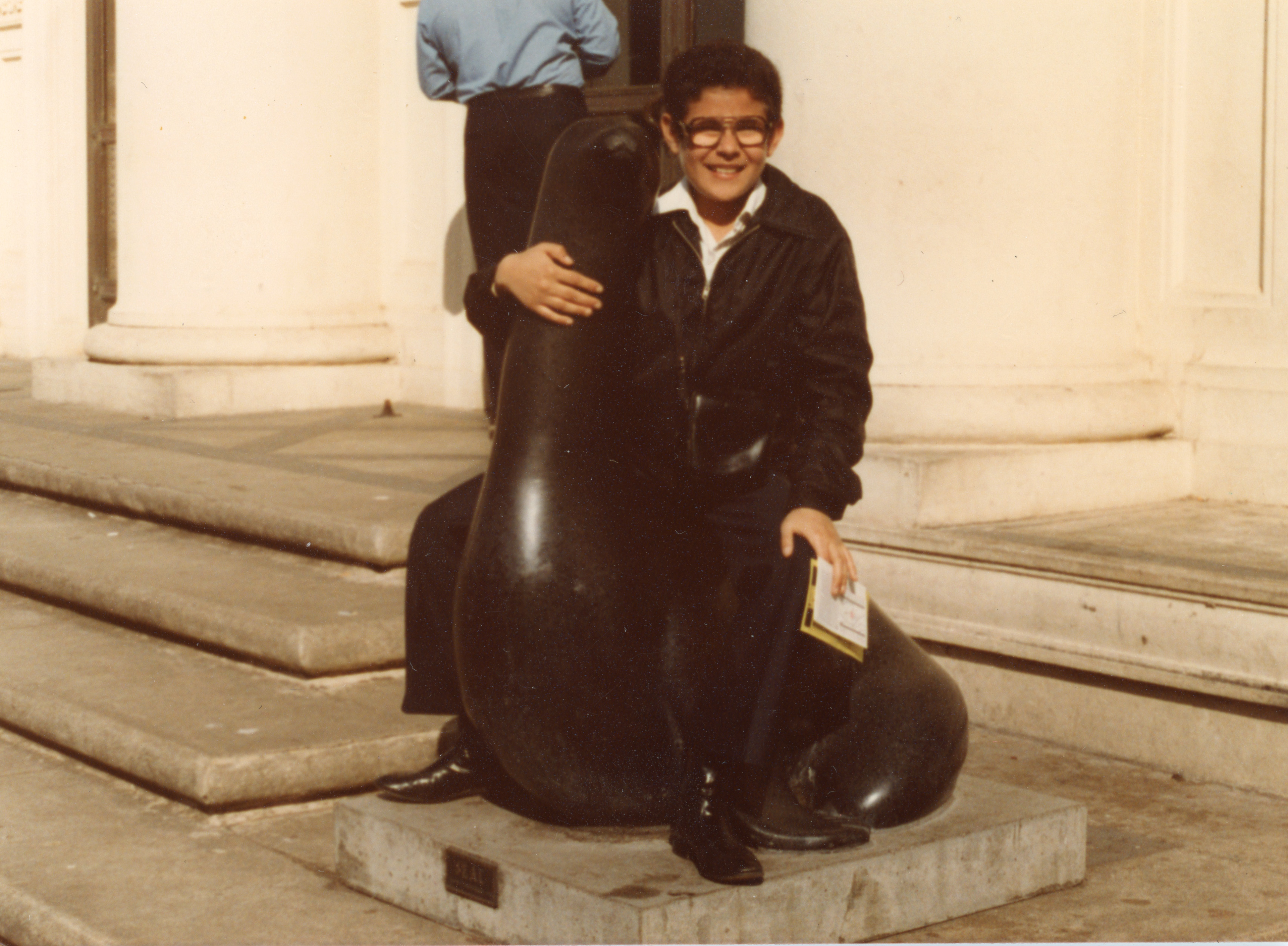
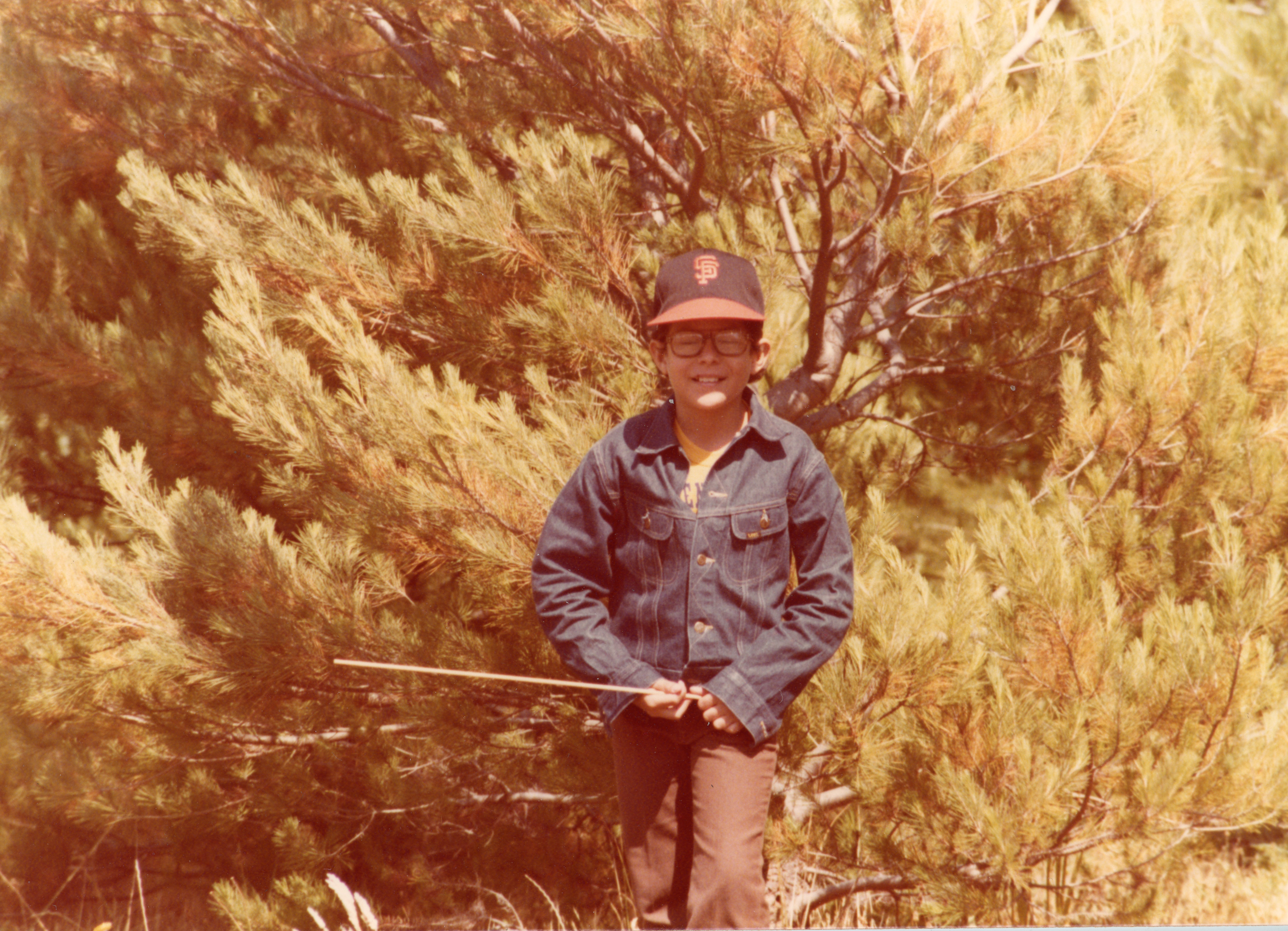
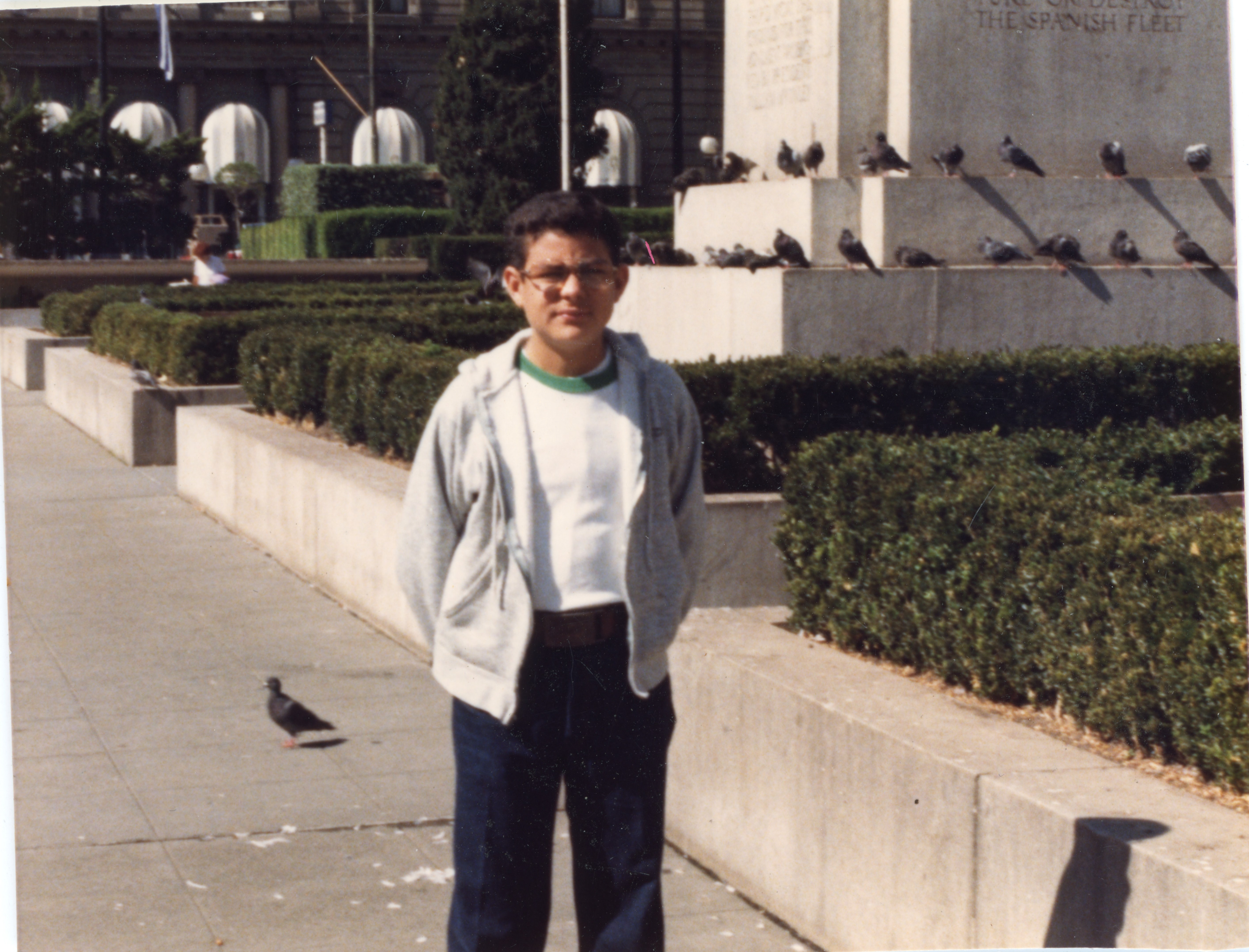
There is the discussion of whether home video is “artless” due to the loss of the ephemeral that comes with home movies. Being a physical medium, the material and economic constraints of home movies influence a ritual of events, where only highlighted moments of life have been filmed, like weddings and special events. With the advancement of home video, these restrictions were lifted in a way that caused more frequent capture of the mundane in everyday life. Additionally, Moran acknowledges how the development of the camcorder has made the nuclear family adopt amateur film as a hobby and reinforces “idealized memories of a contrived family harmony” (46). It is because of familialism represented through photography, that documentation exists of my dad doing homework at the dining table, sitting on the couch next to a framed photo of my aunt, or even laughing with my grandpa. We can use the documentation of everyday family life to account for the lived experience of my dad’s family living as Nicaraguan-immigrants in San Francisco.
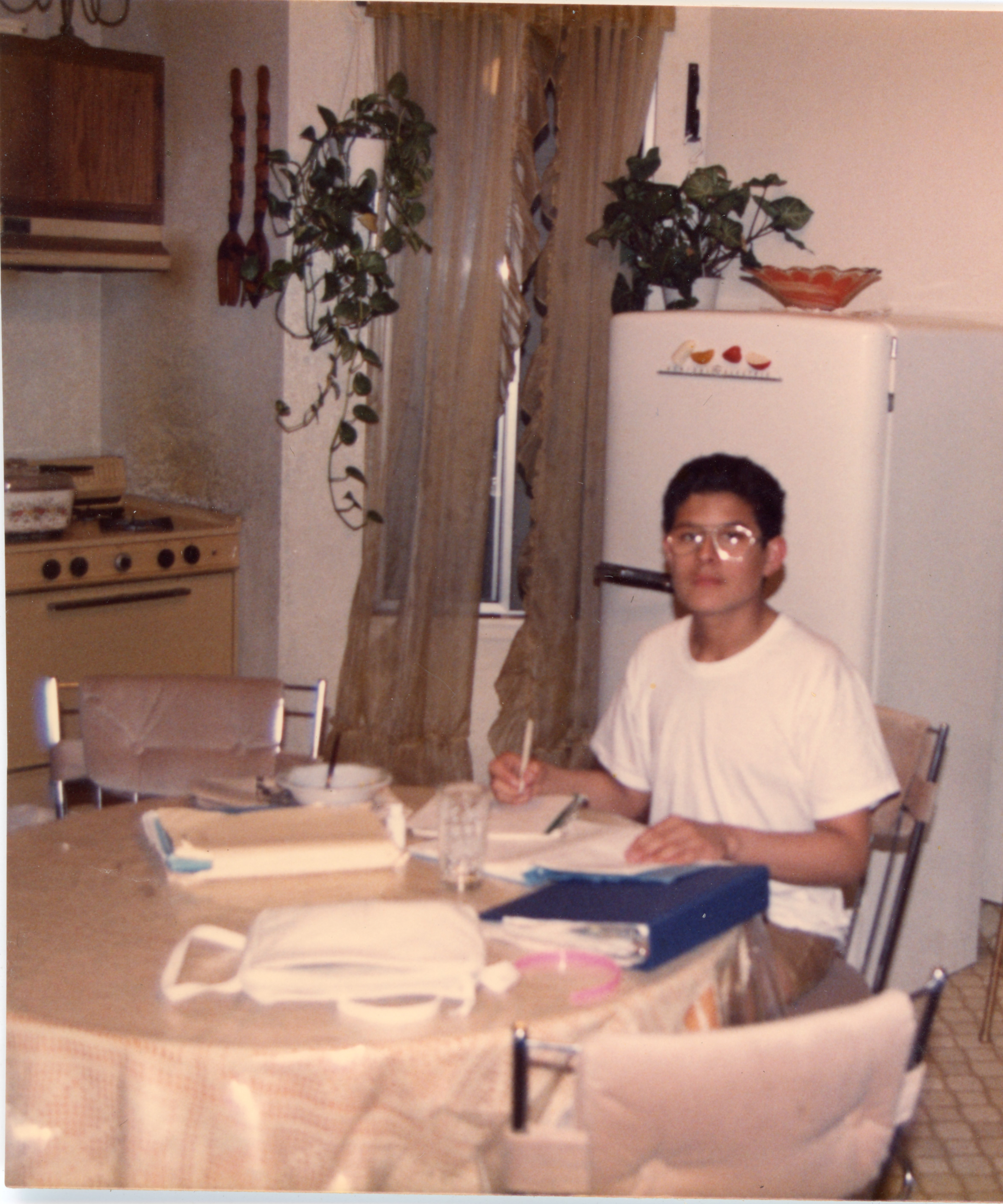
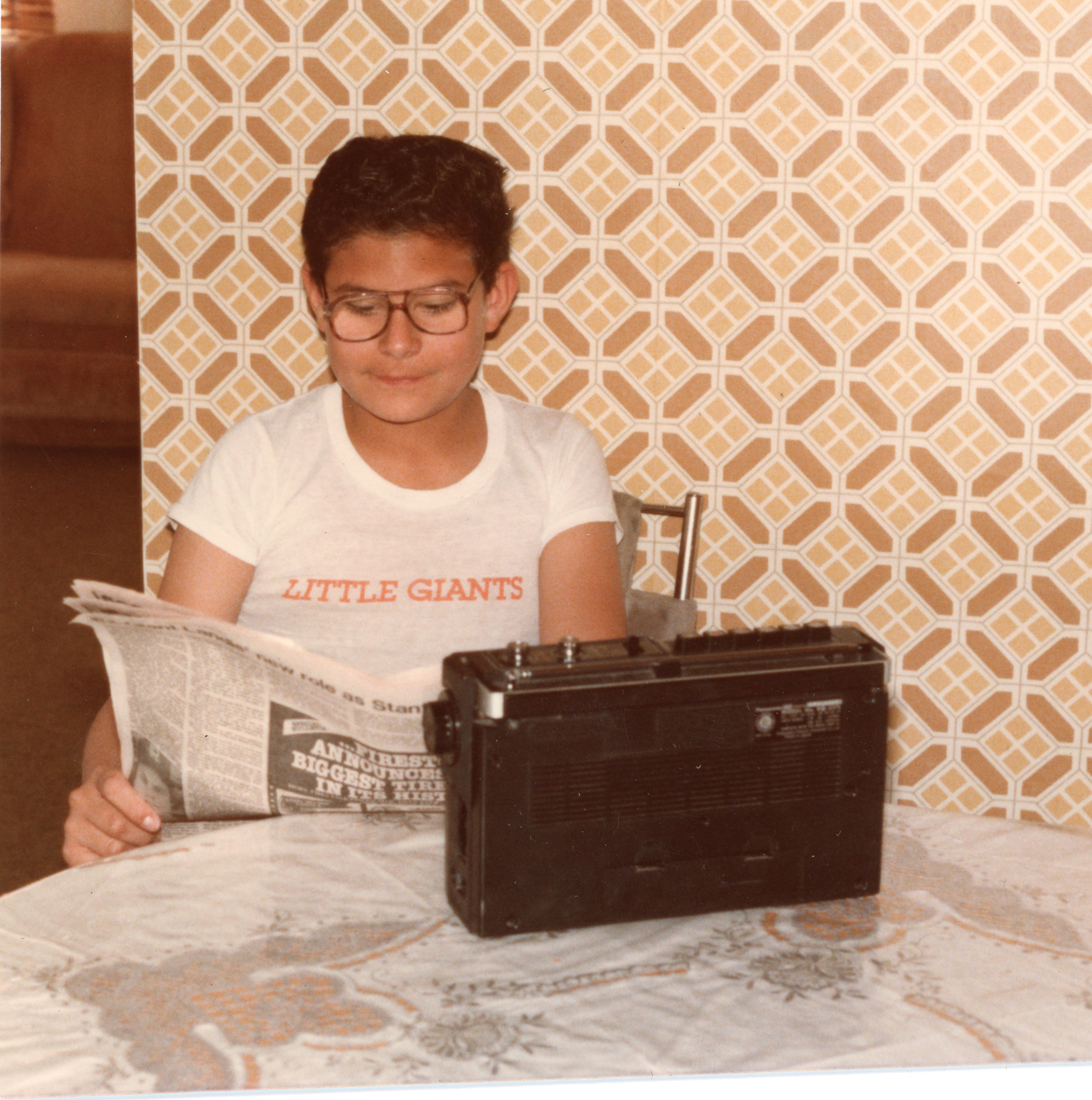
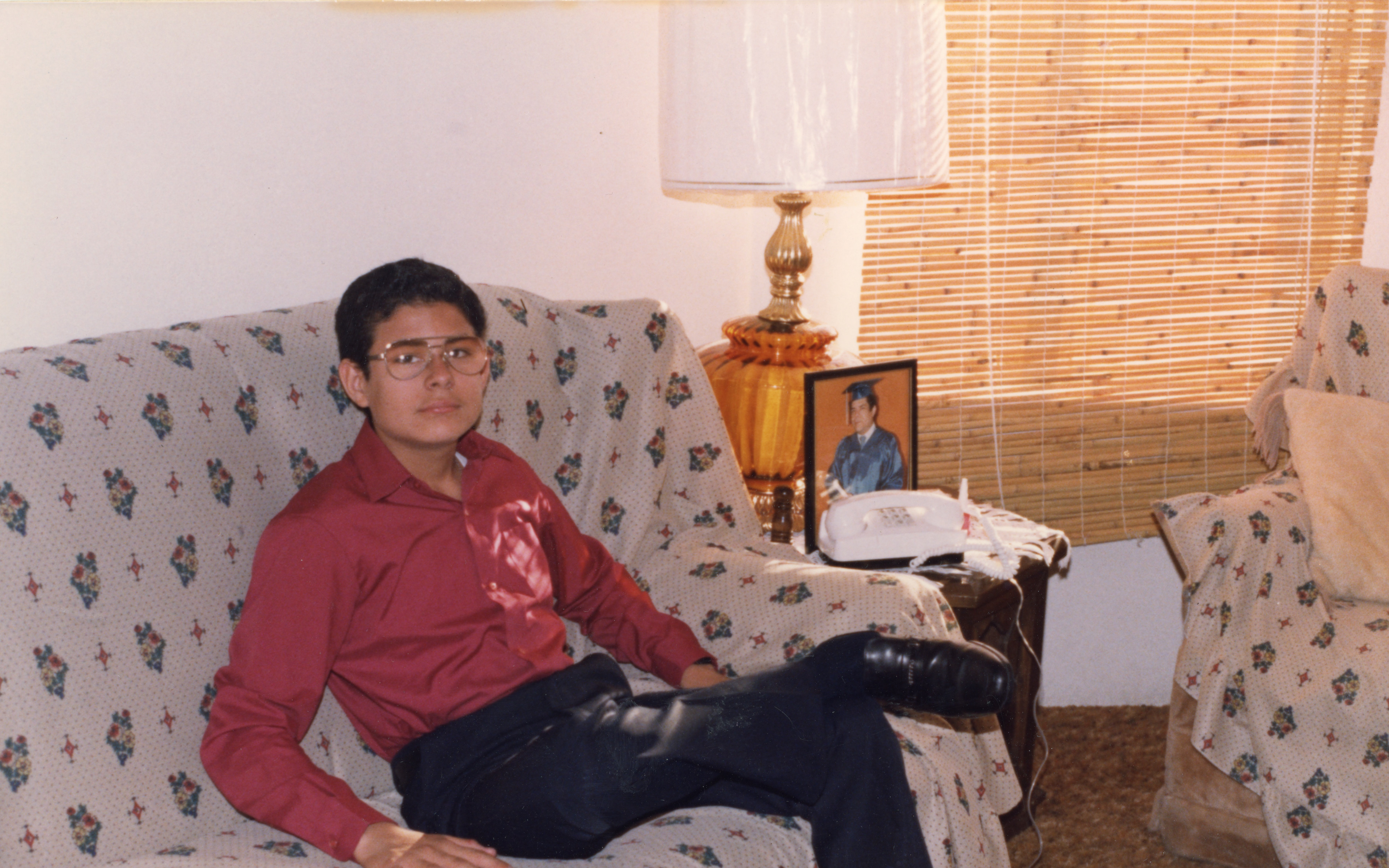
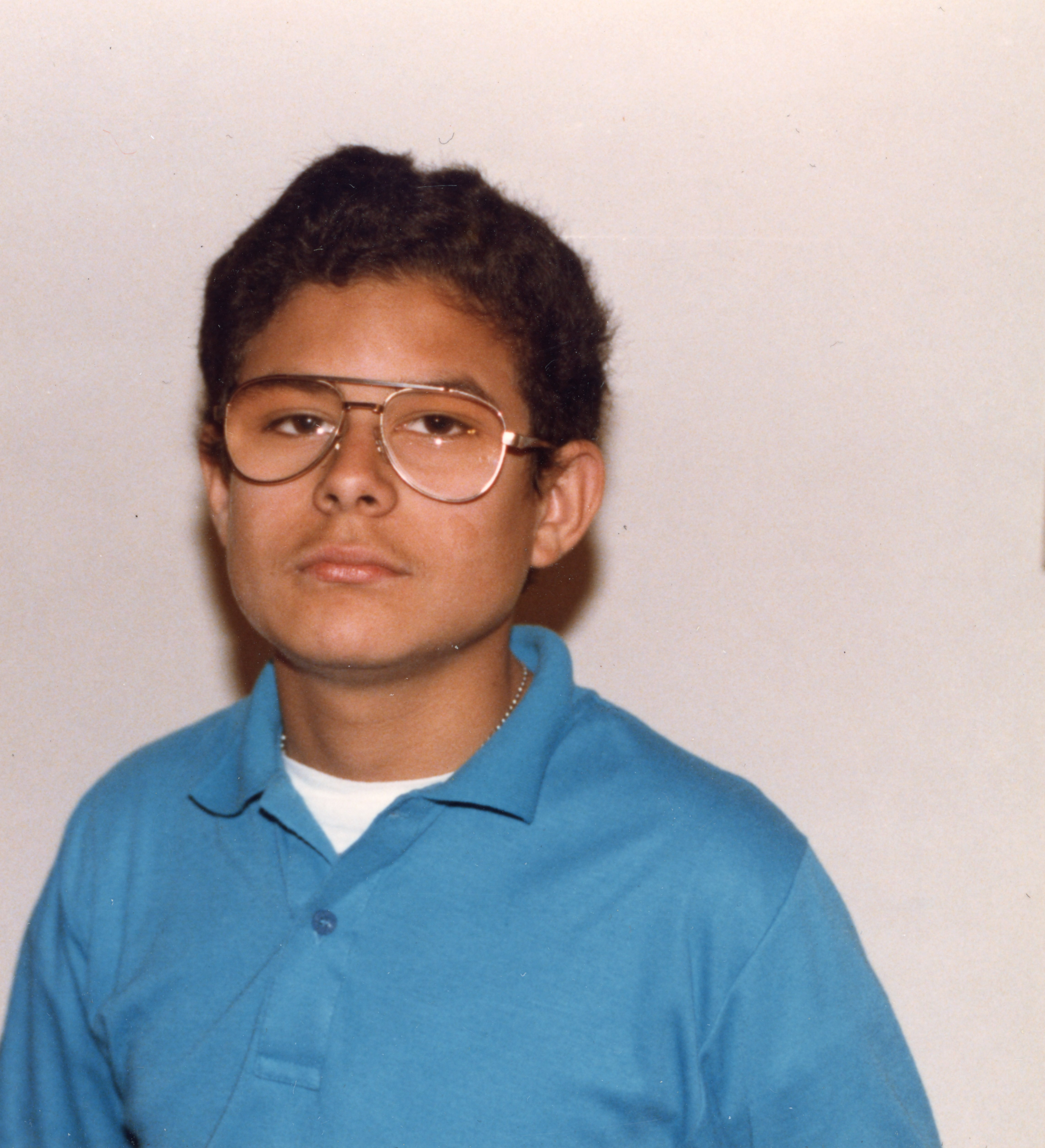
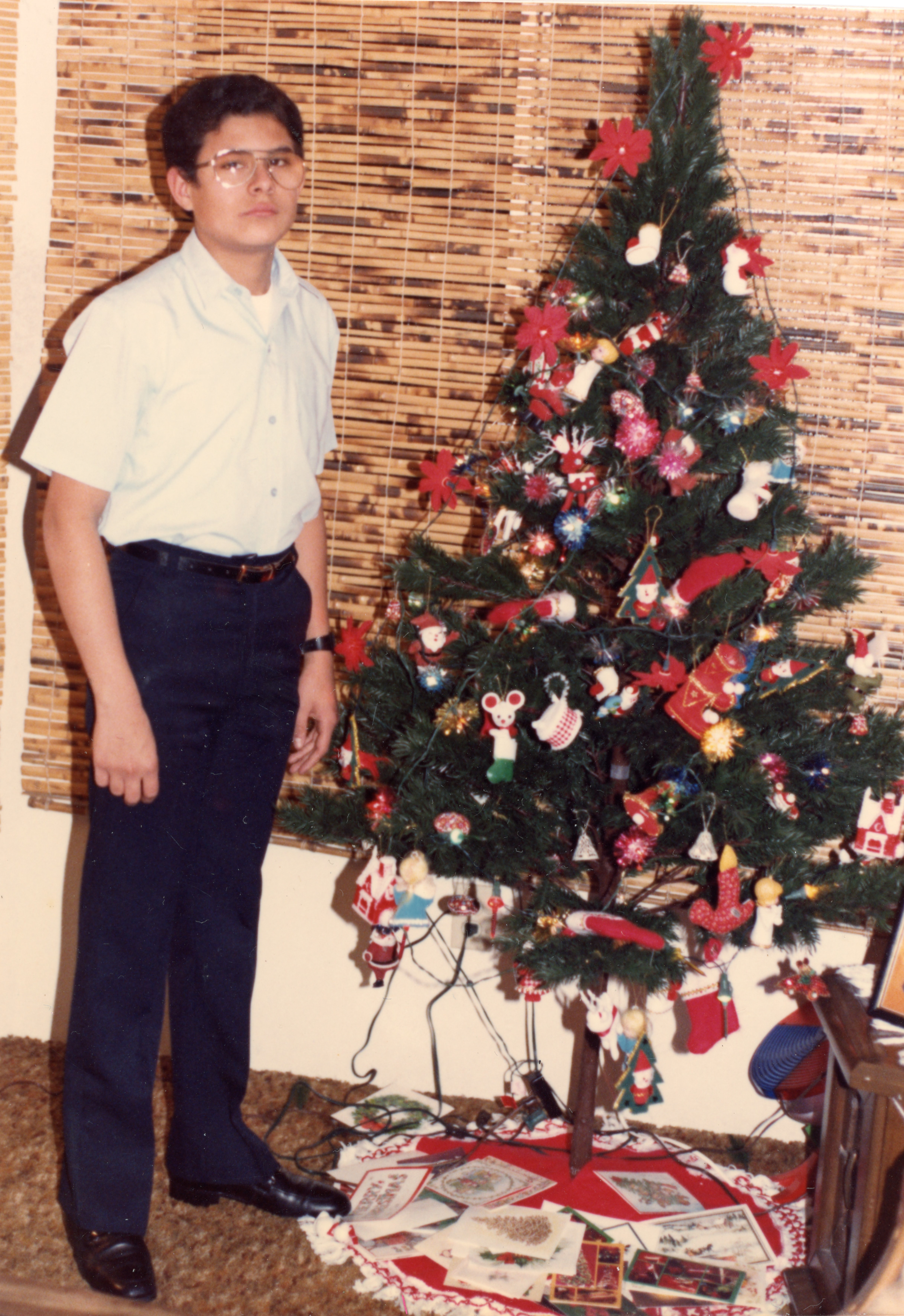
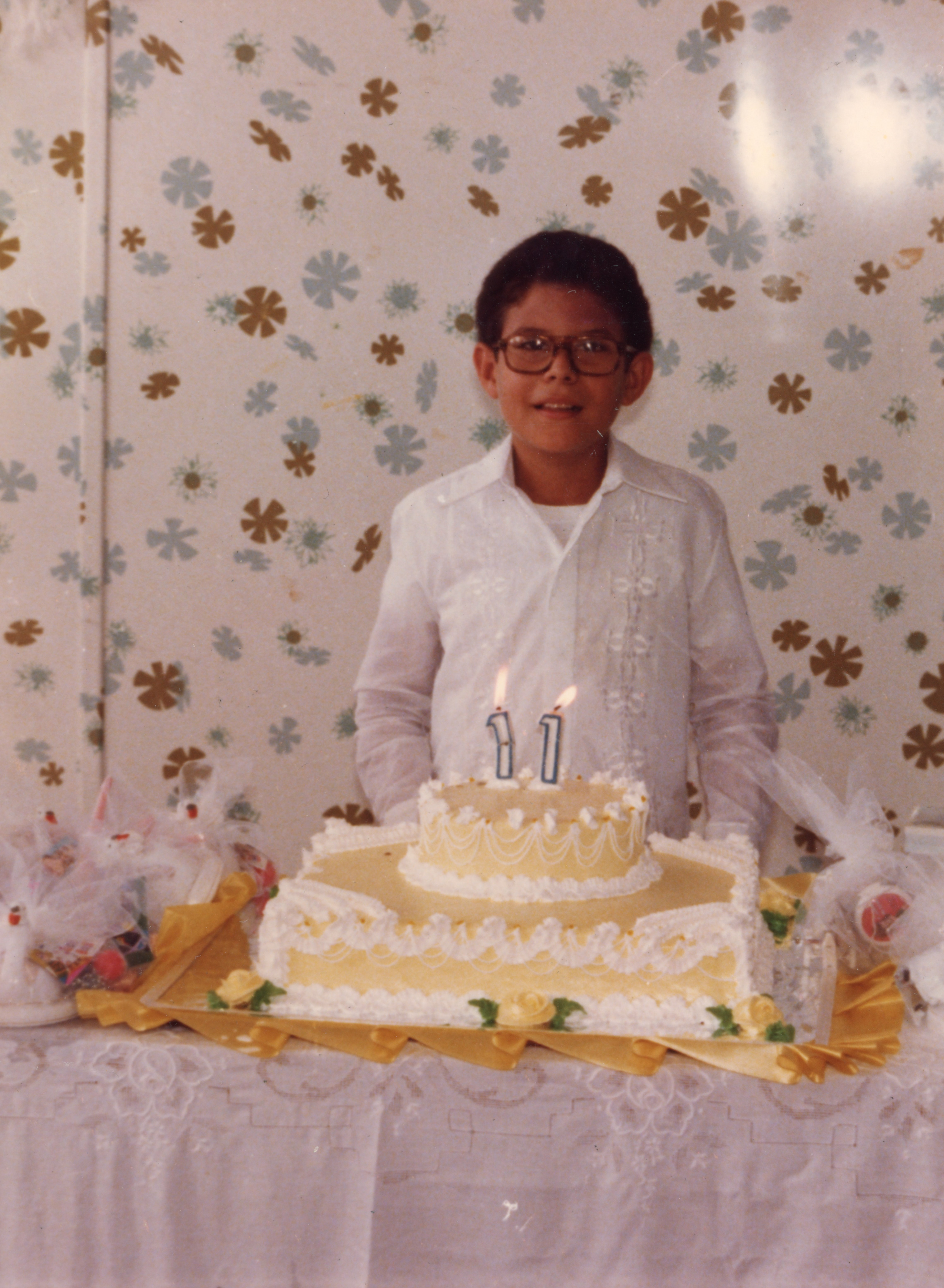
As documented in my archive, one community my dad was a part of was a Little League Giants baseball team in which multiple photos in my archive show him playing baseball. We can use documentation of our specific communities to combat stereotypes regarding the collective documentation of Latinx communities in the U.S. In “The Task of the Latino/a Archivist: On Archiving Identity and Community” Mario Ramírez describes the term “latinidad” as a category that exists in opposition to white identity and devoids the Latin American community of the many categories present in which they self-identify. According to Ramírez, the effort to document marginalized groups falls into a potential slippage into nuanced reading of individual and community histories, thus further marginalizing individuals within these communities whose identity does not correspond with prevalent, “one dimensional,” interpretations of archive (1-2). Latinidad not only represents the indeterminacy of identity, but is also a product of the lived migratory movements of deterritorialized Latin Americans (5). I want to highlight the important analog photography that is present in Latin American family archives plays into the reification of the “latinidad” archive; as argued by Ramírez, “the archival record should demonstrate the enactment of these multiple identities and their subsequent development” (6). It is important that each individual and community, a part of the broad “latinidad” contributes to the documentation and preservation of their existence.
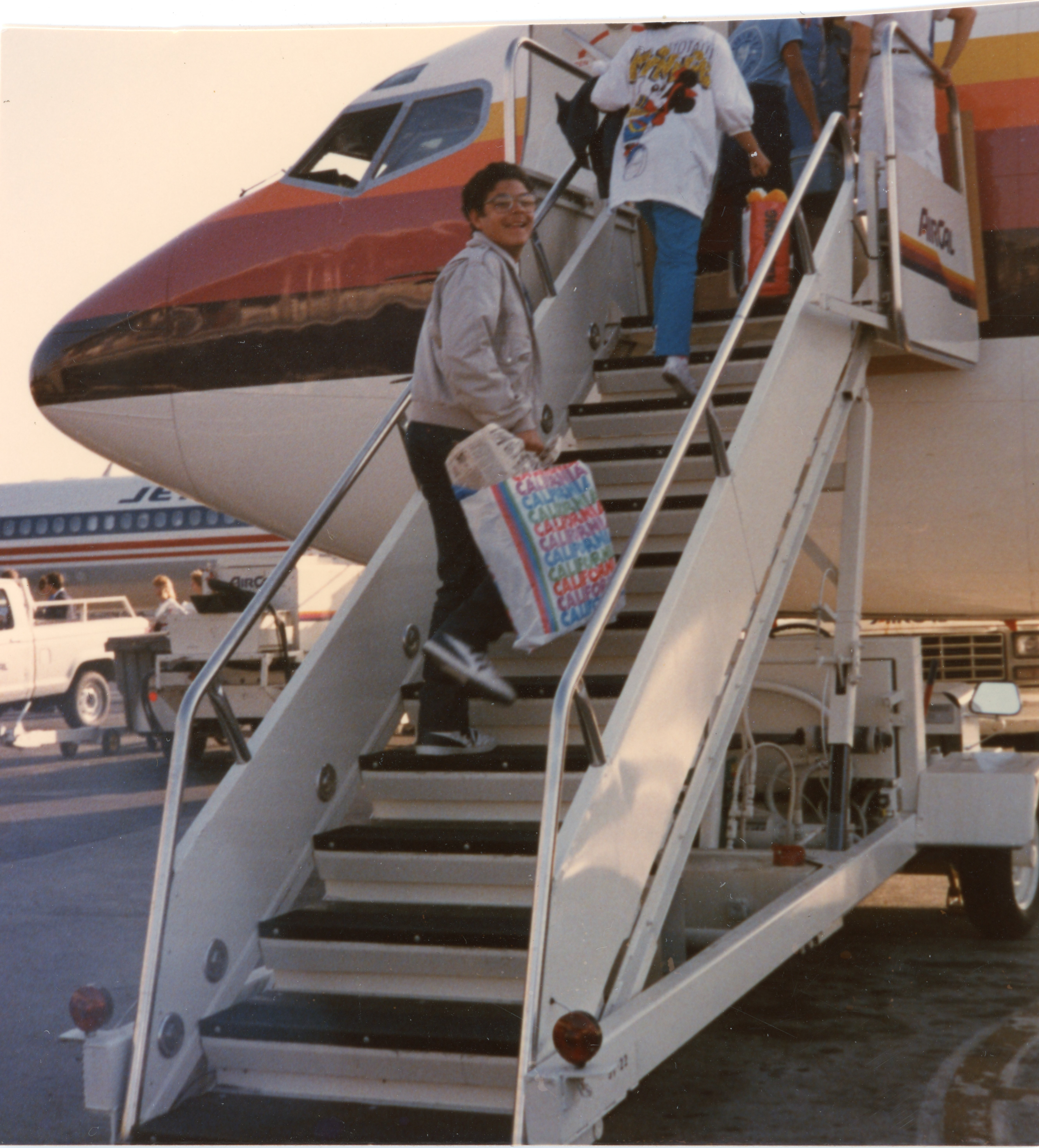
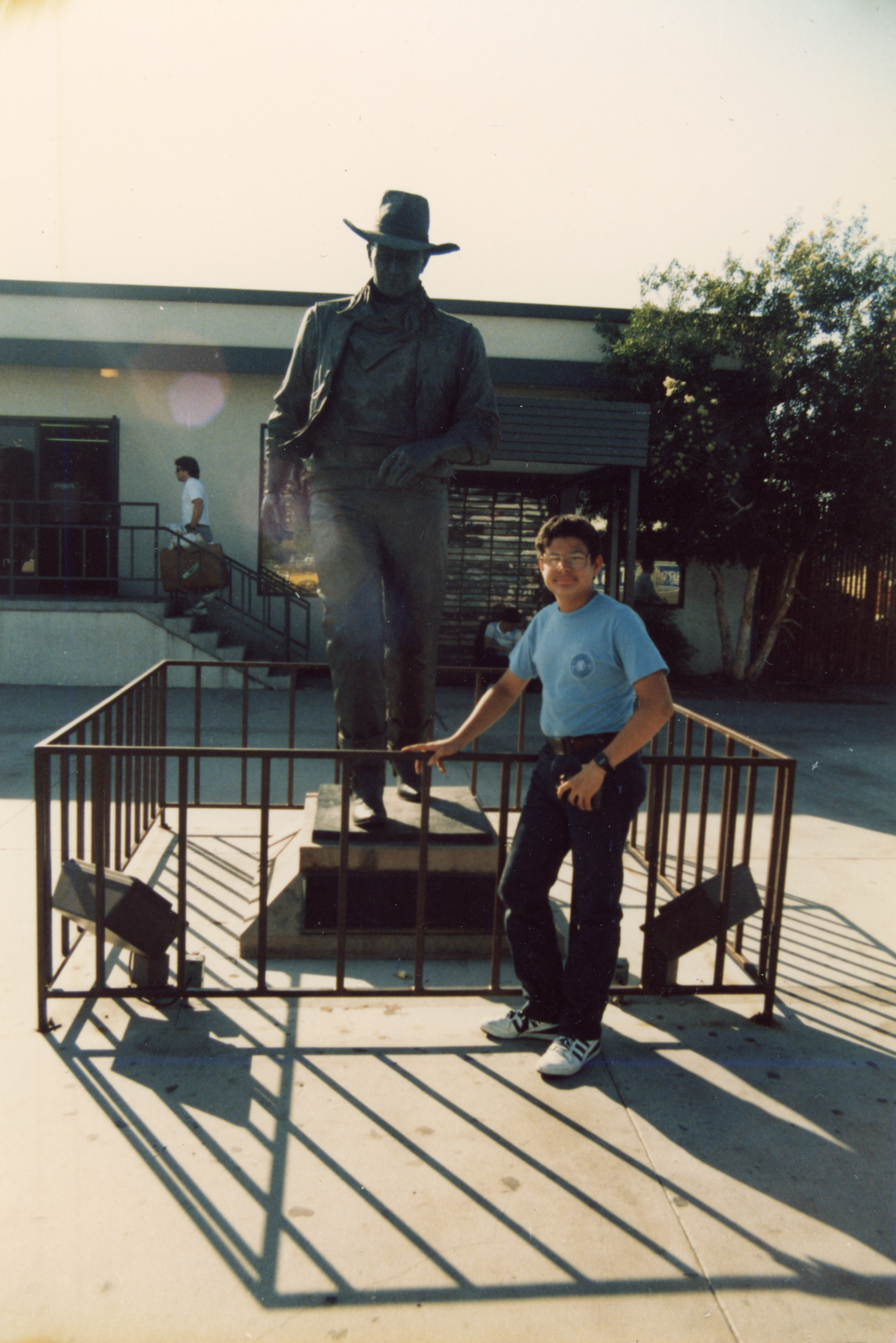
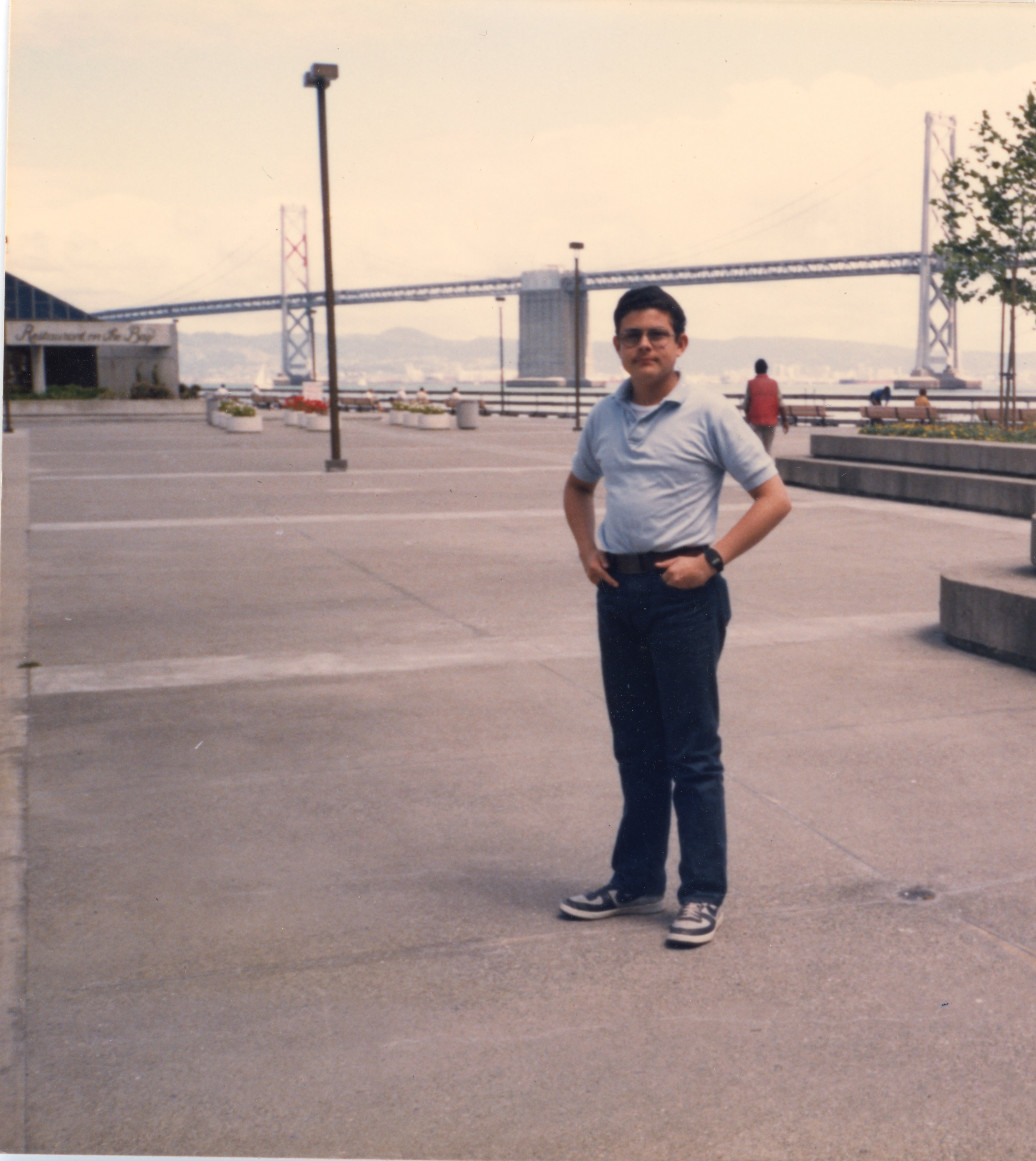
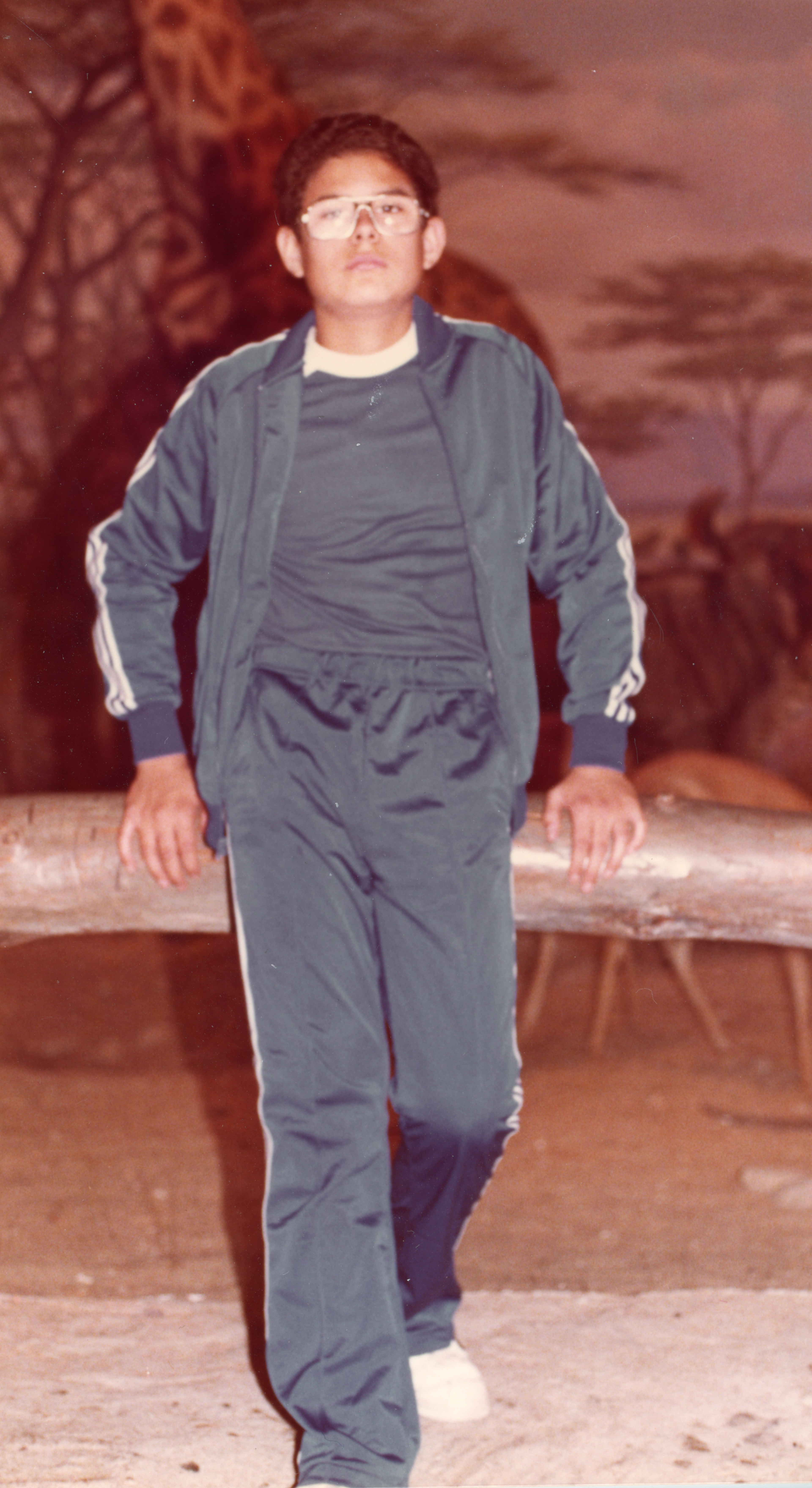
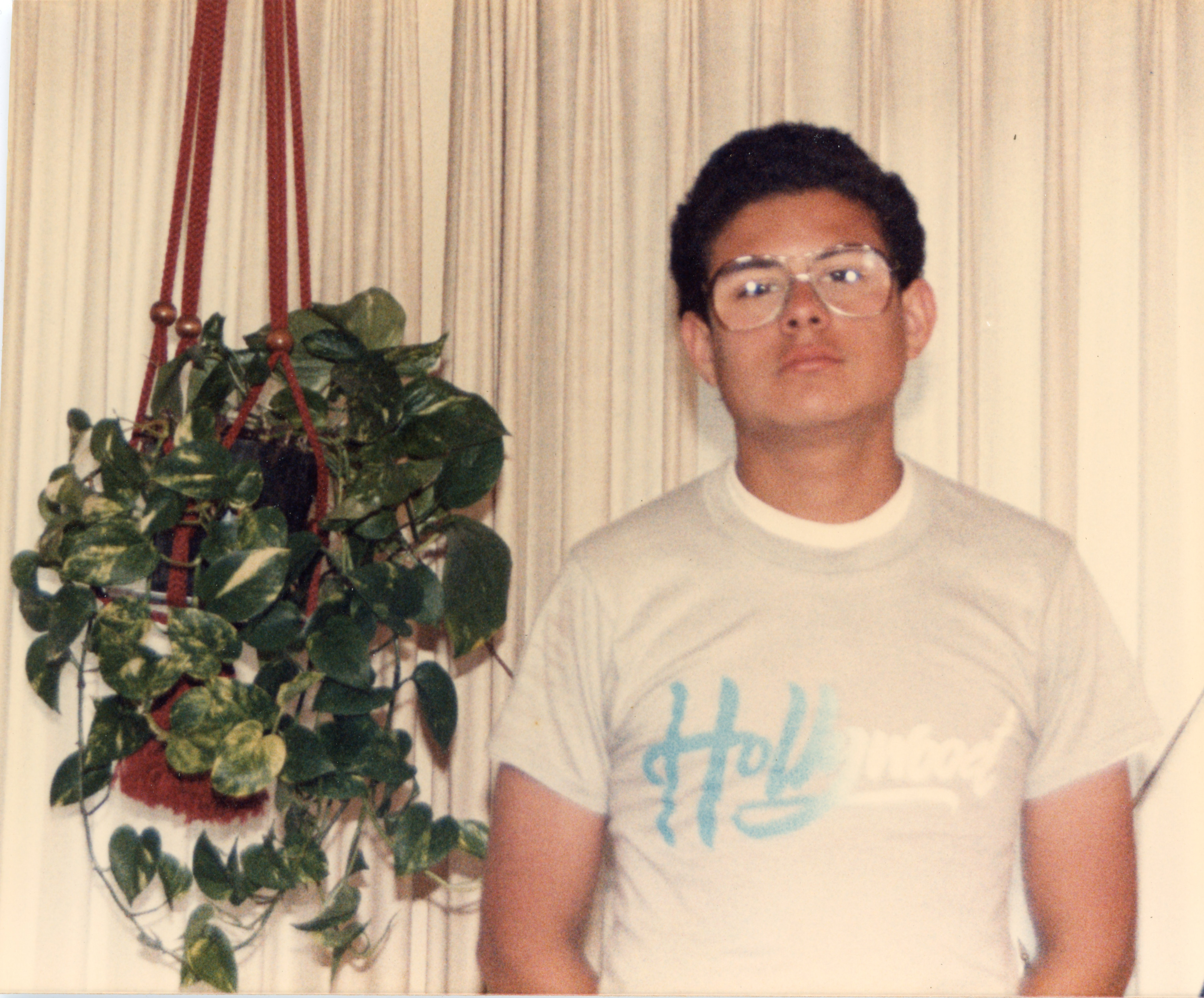
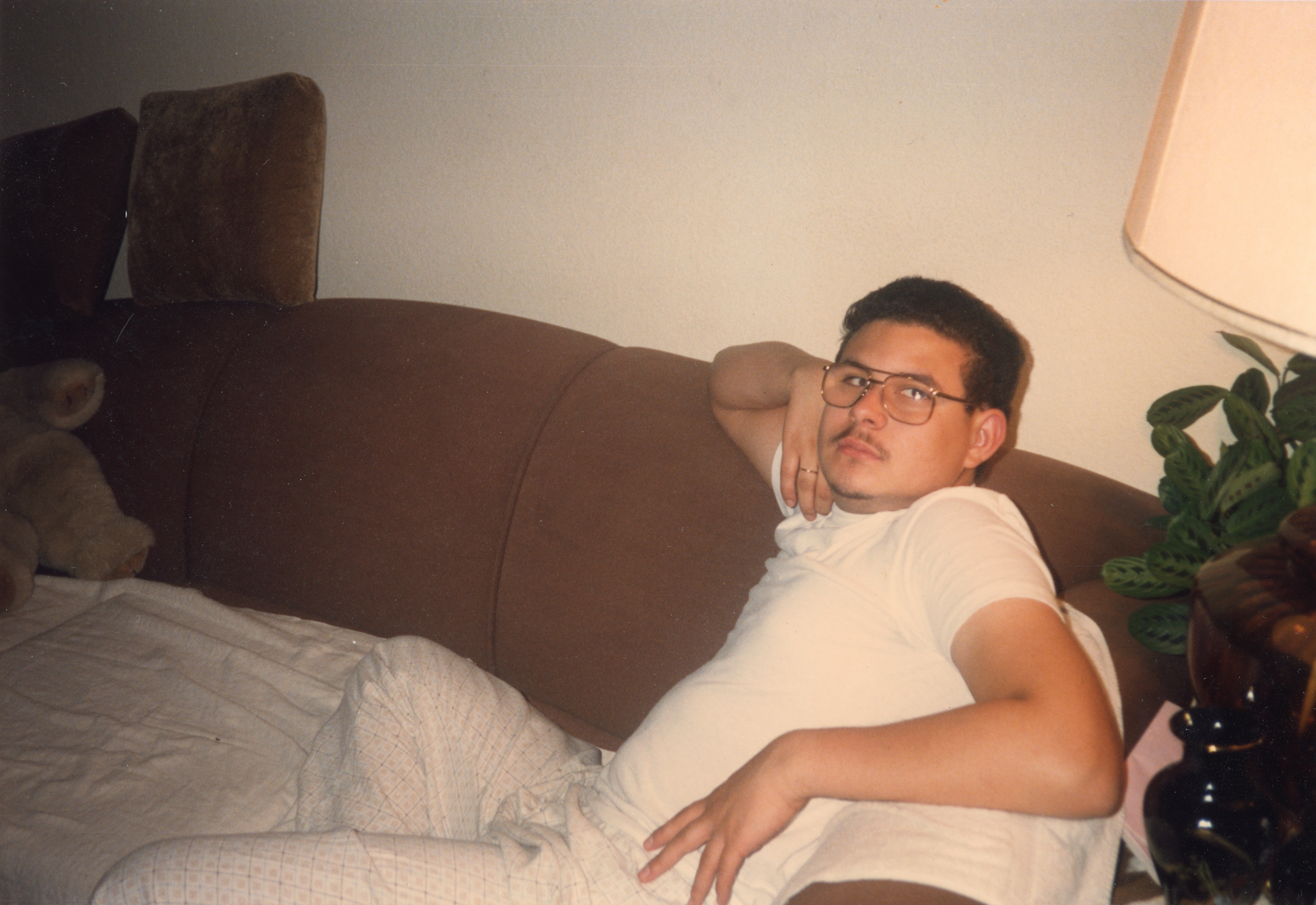
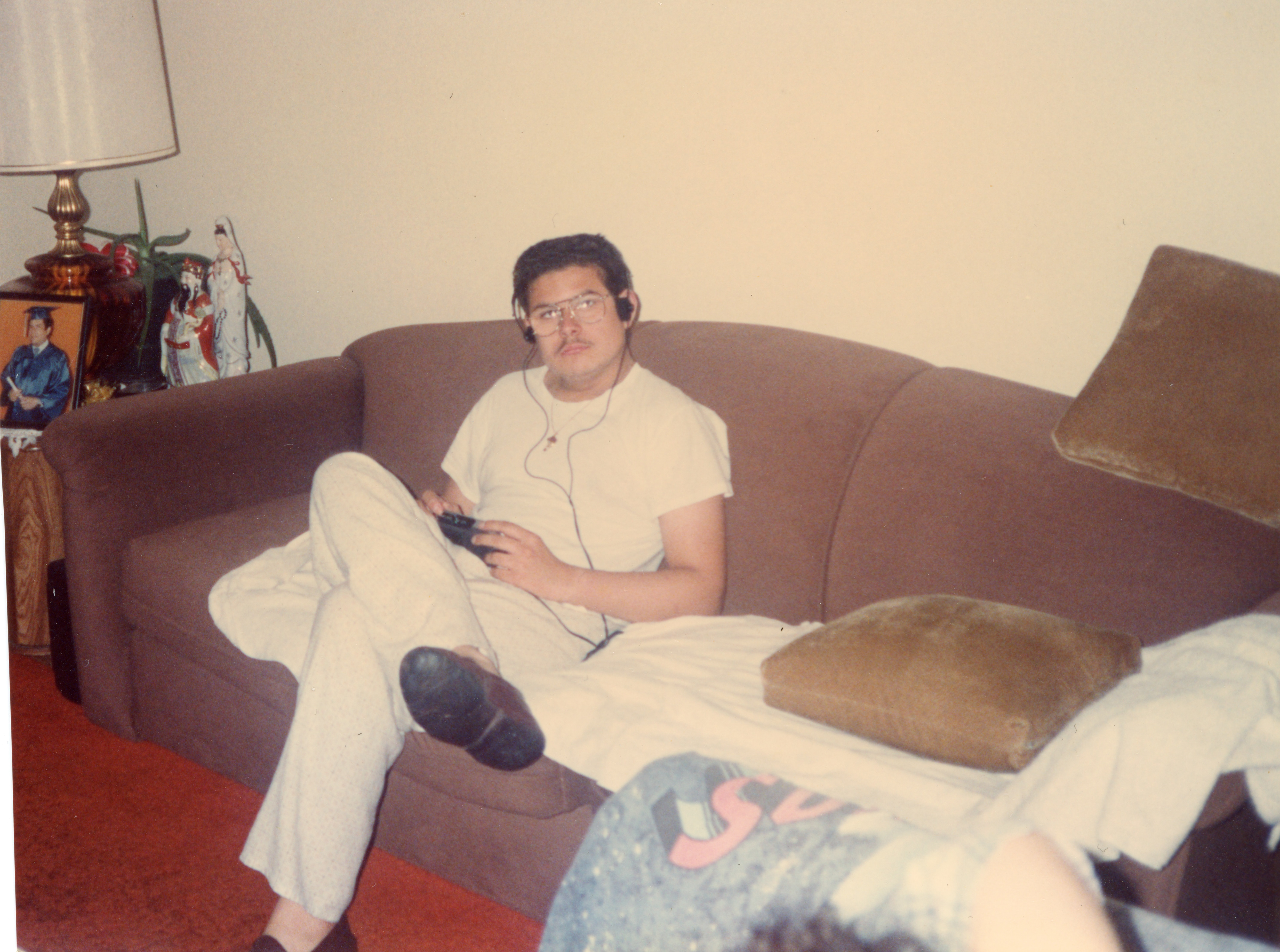
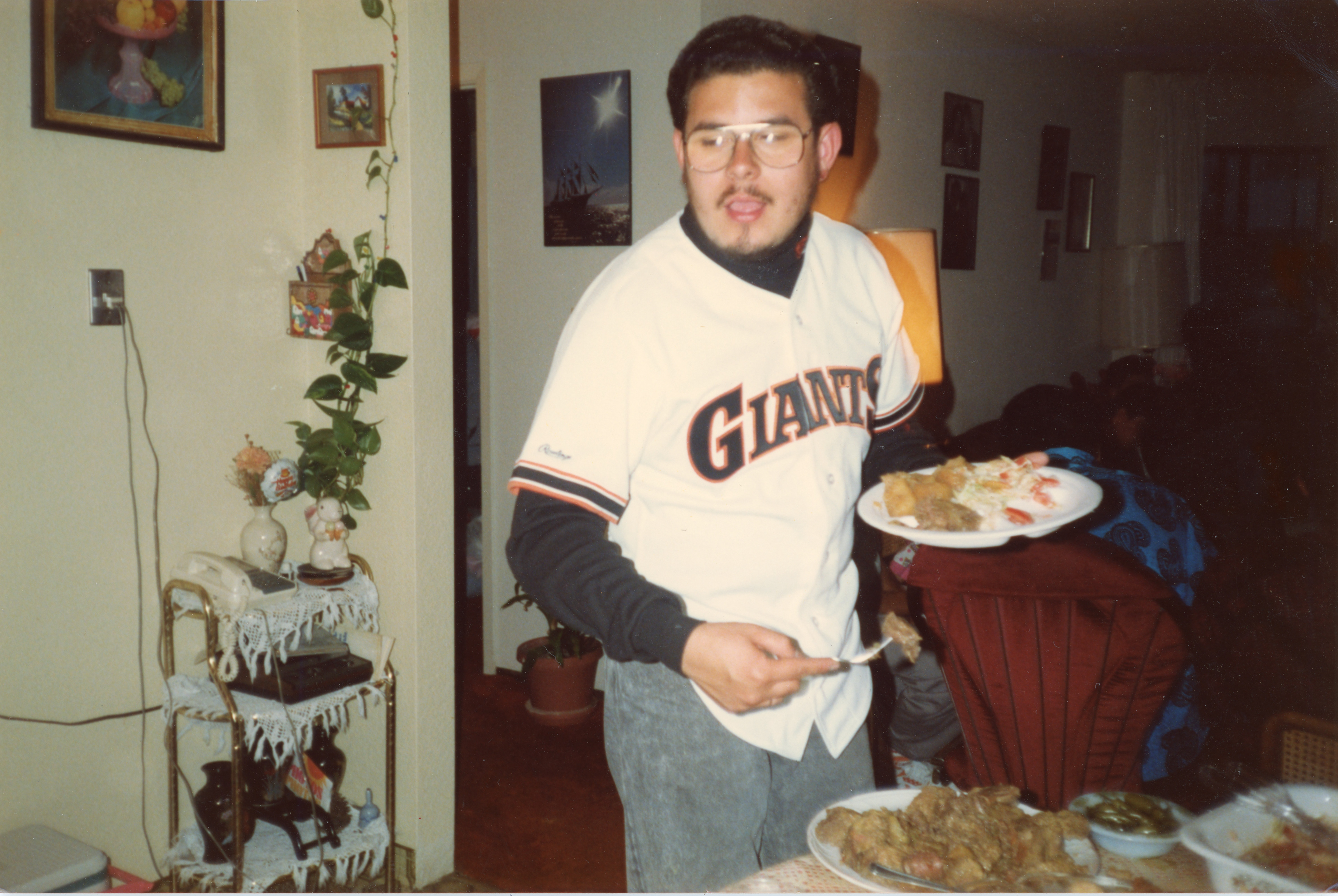
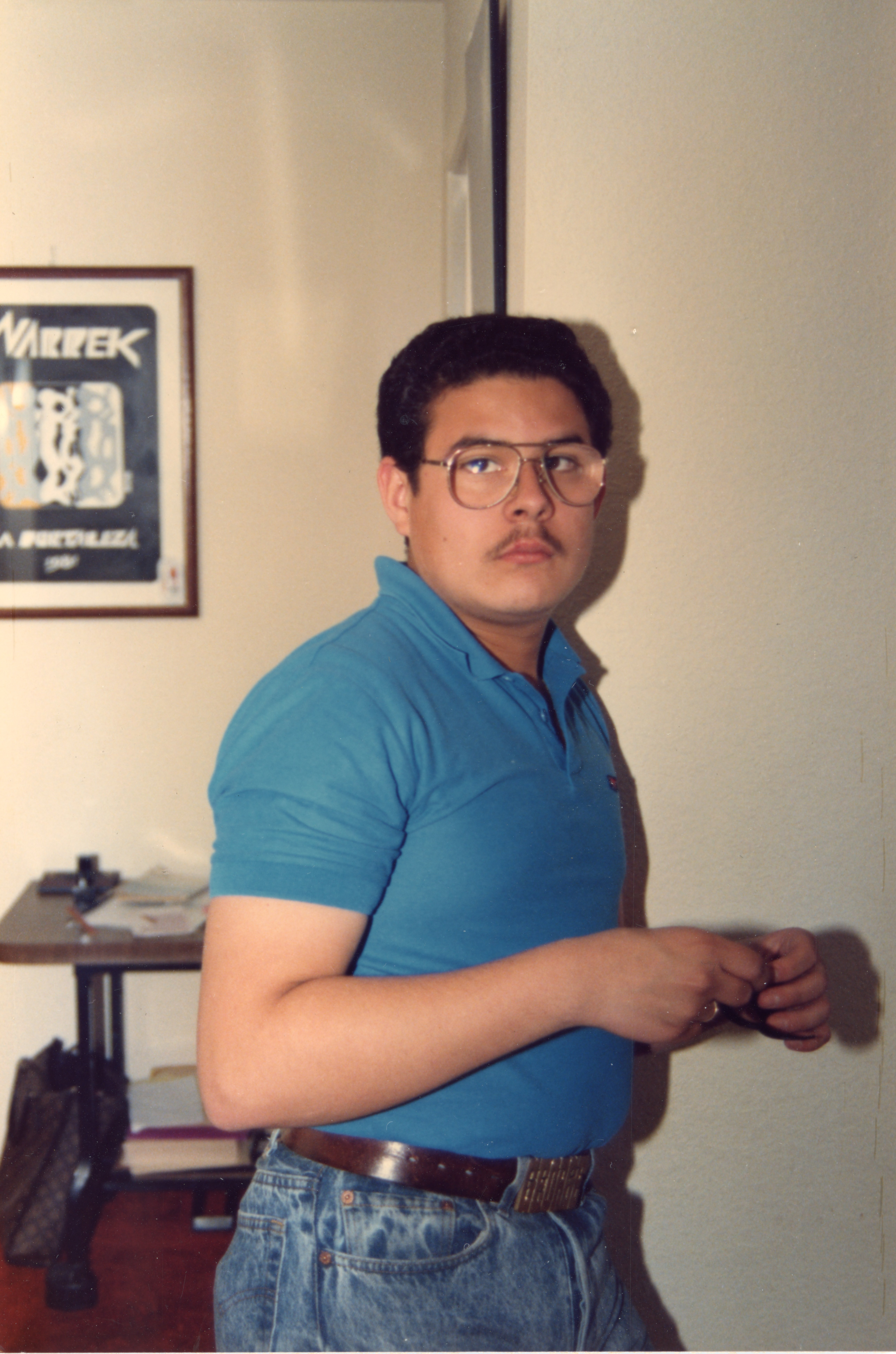
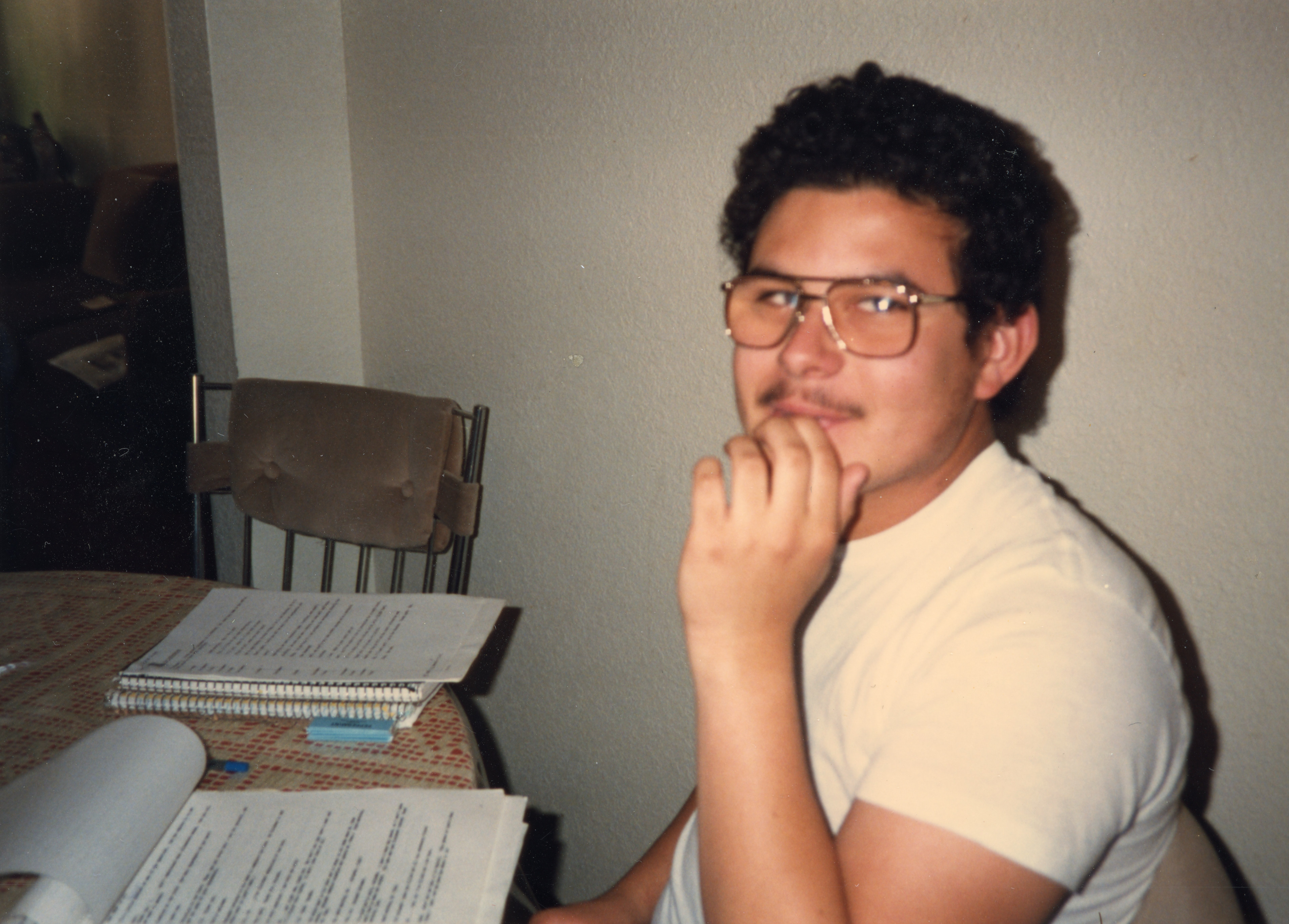
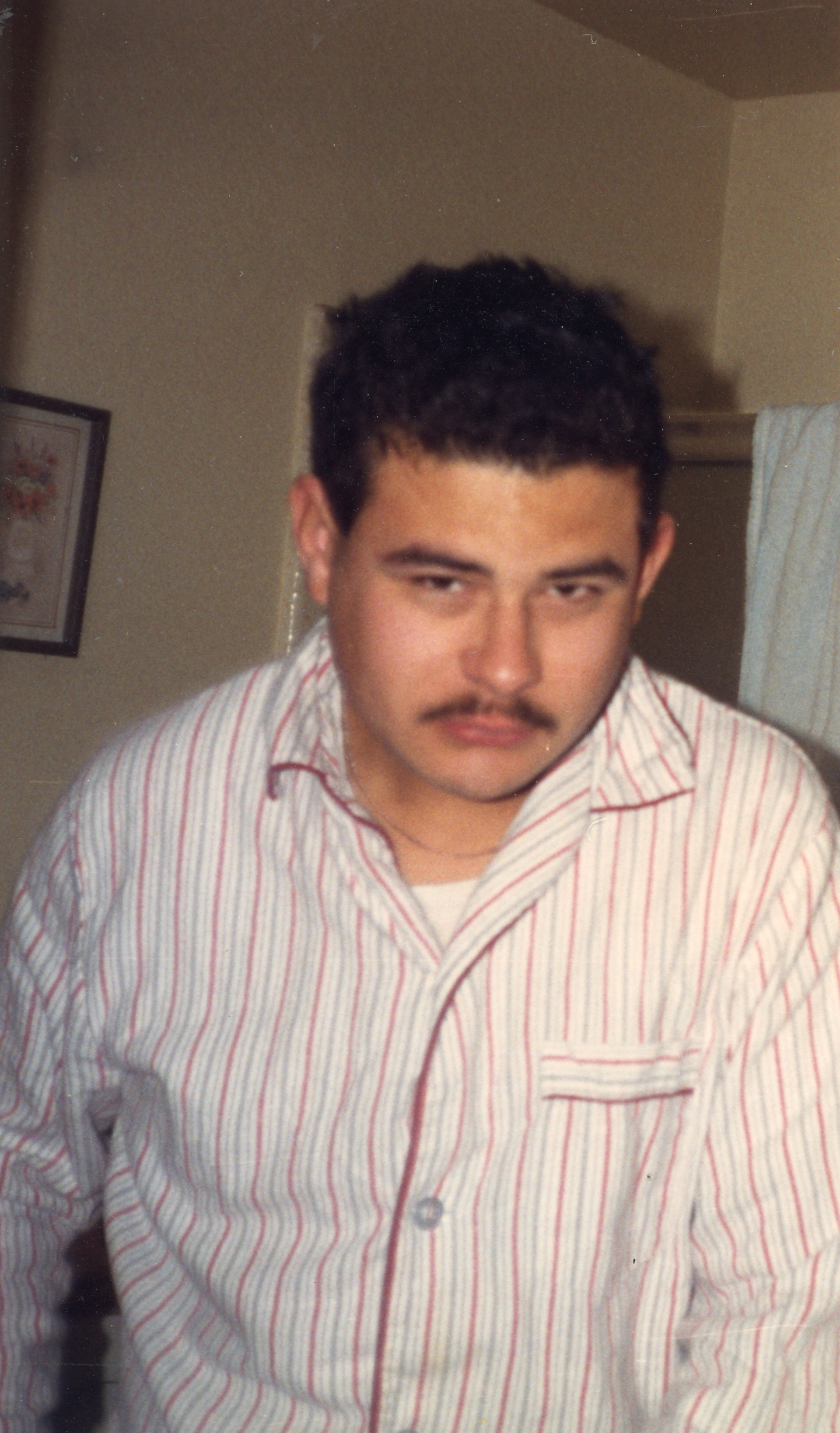
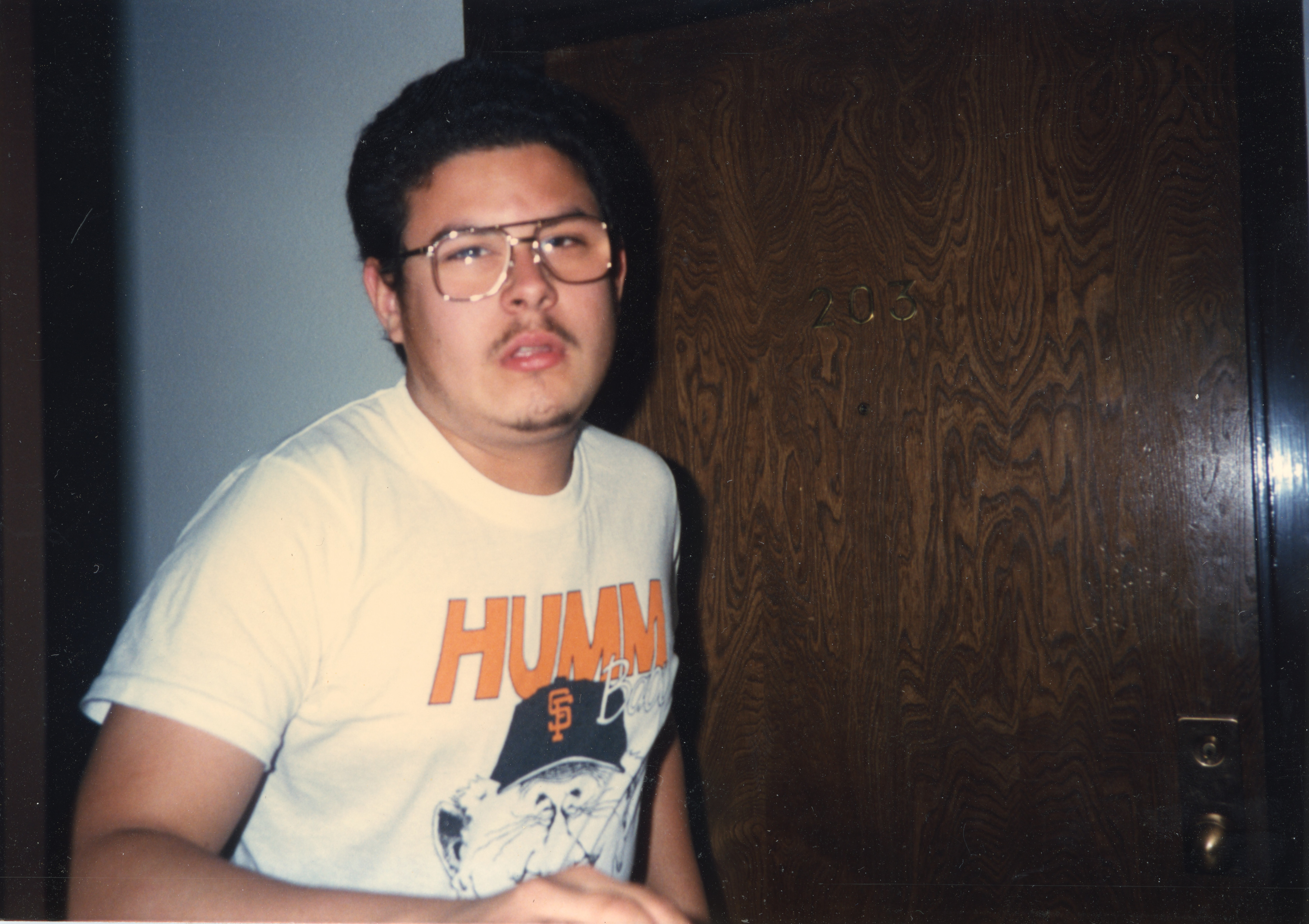
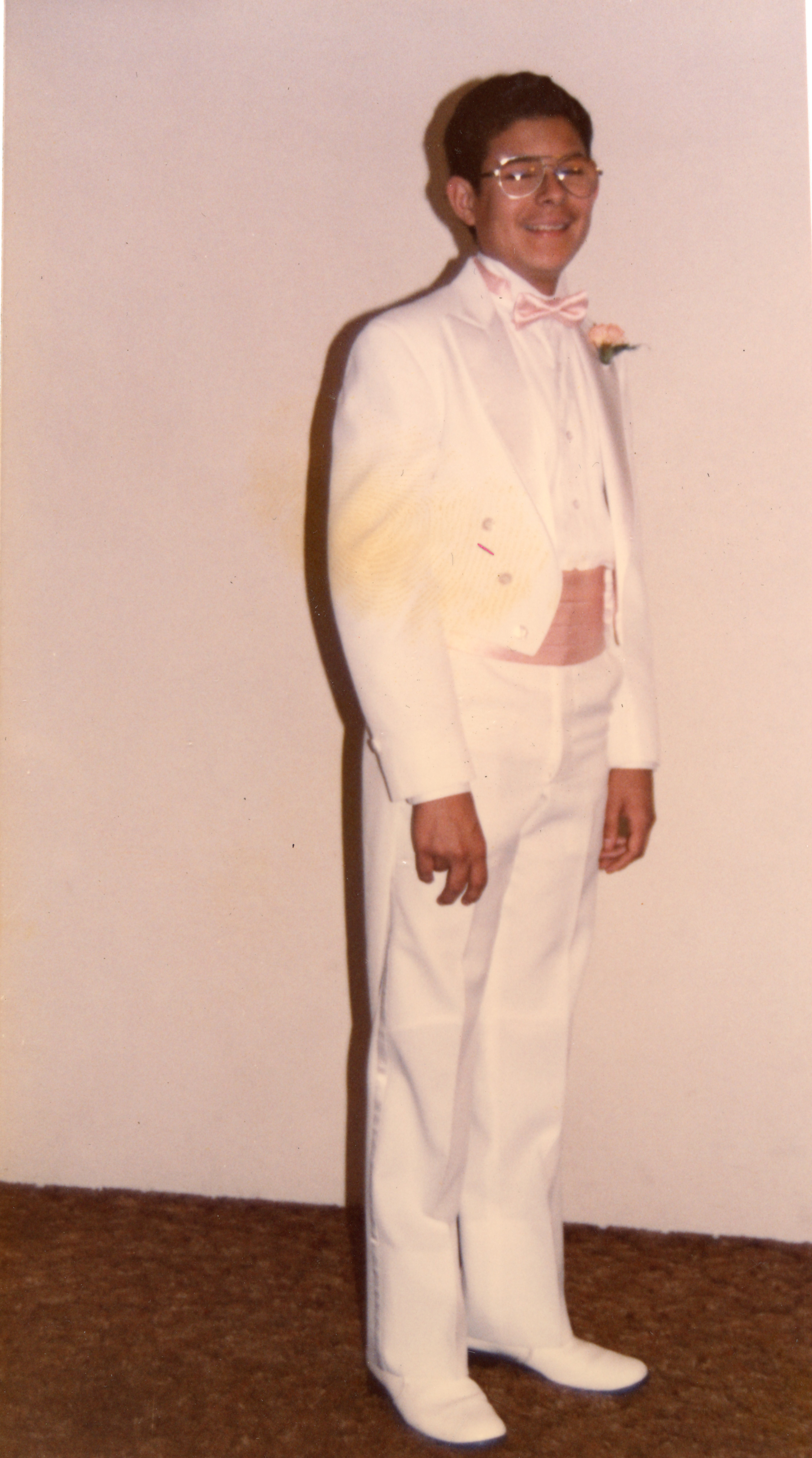
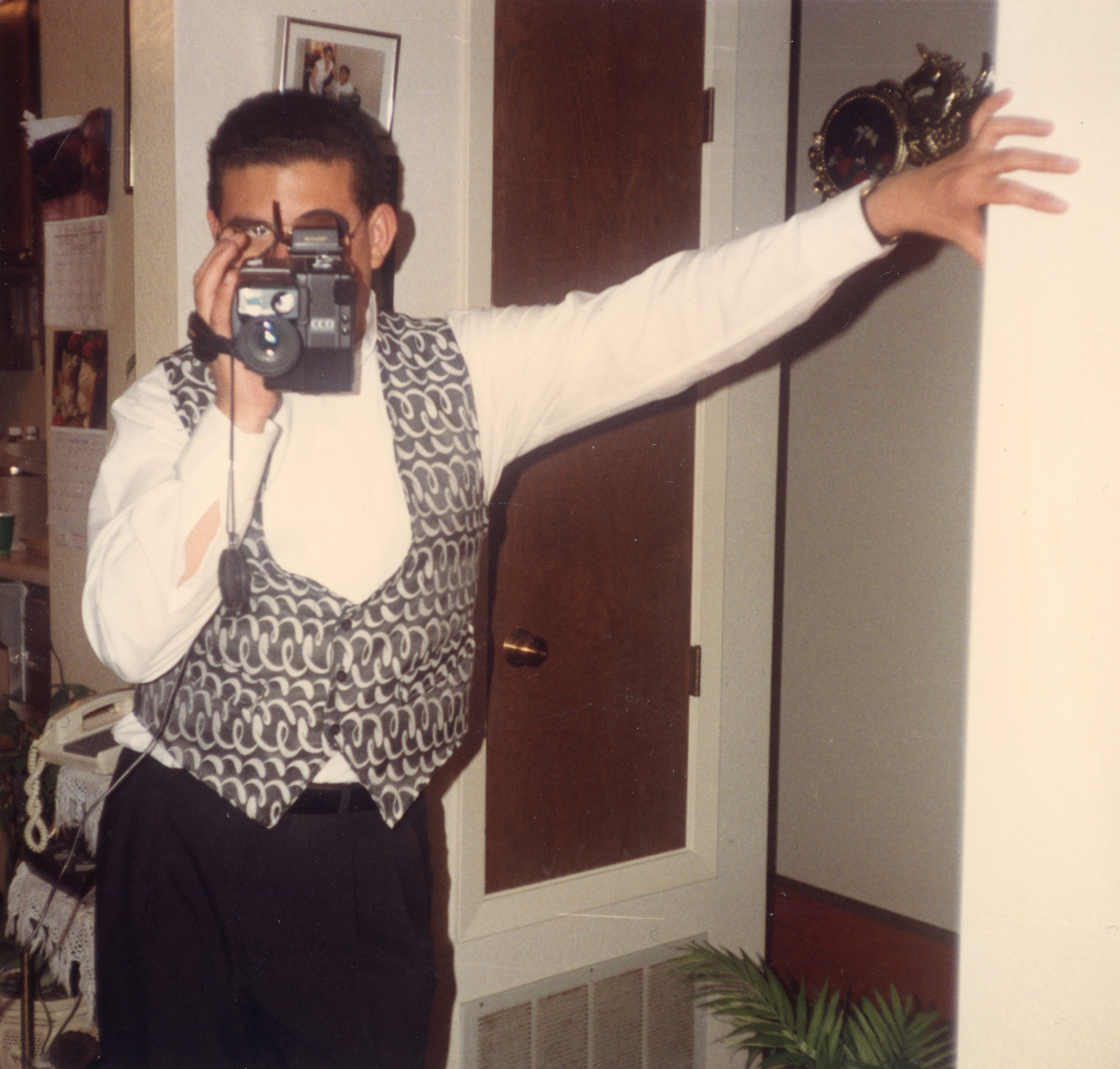
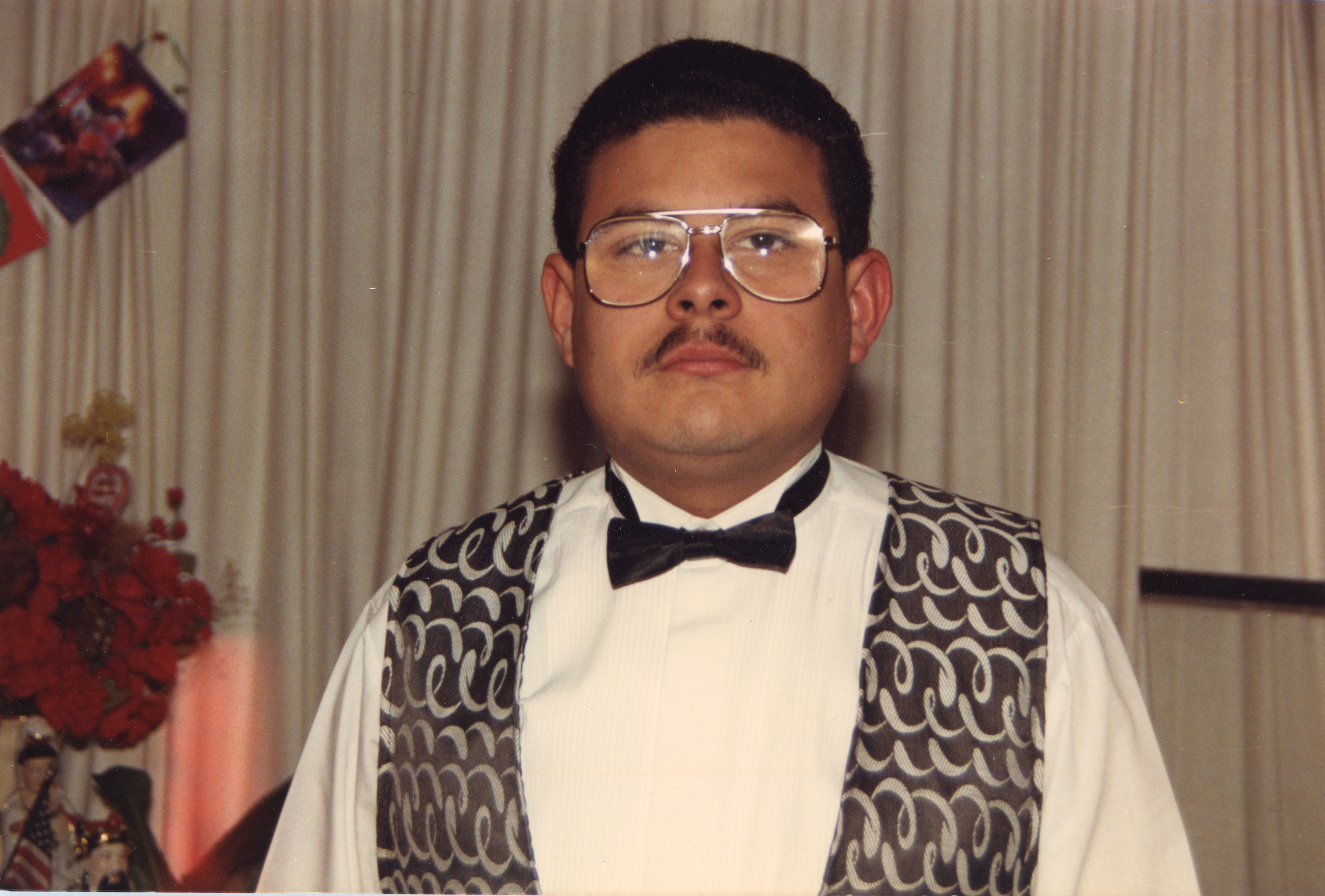
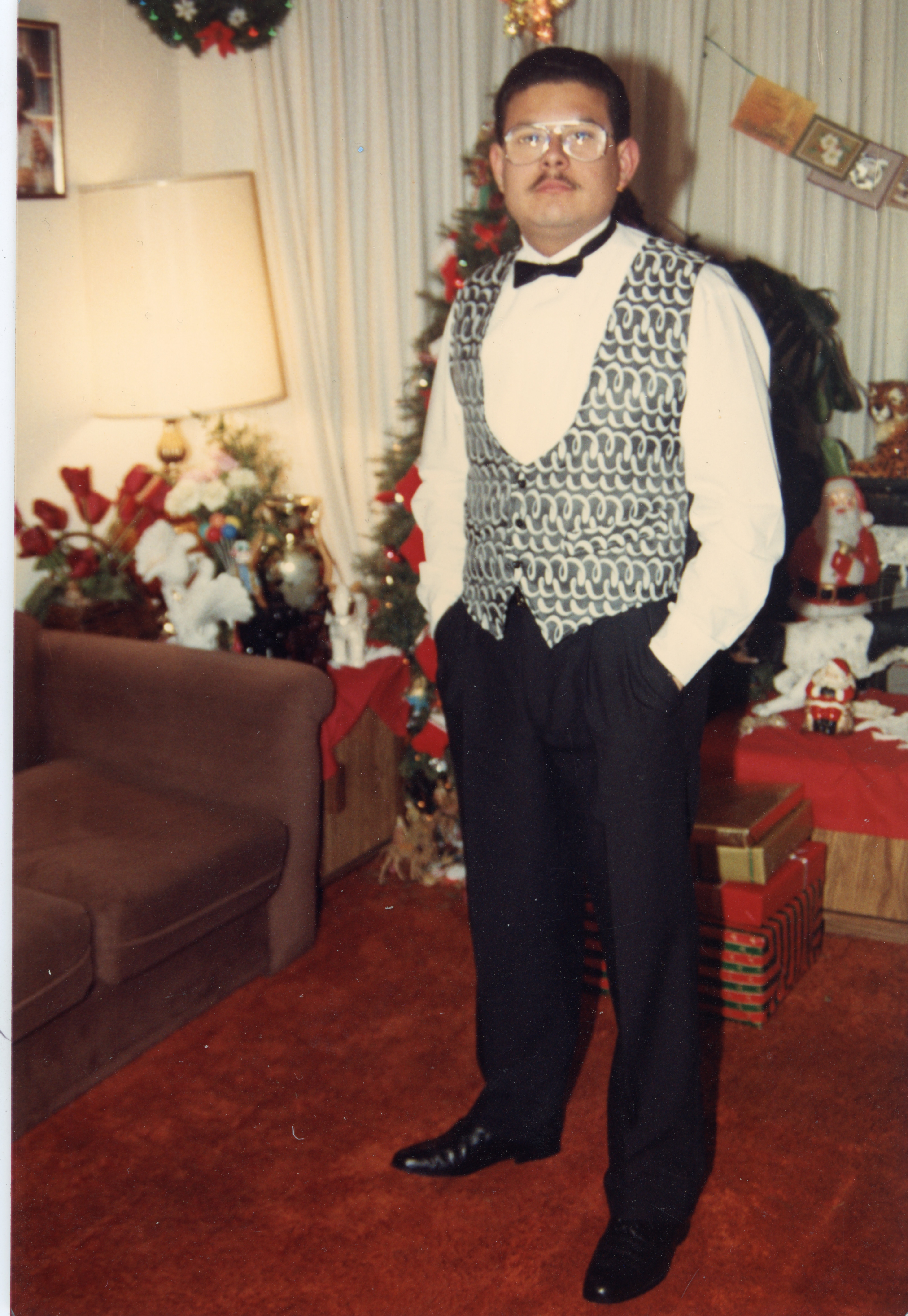
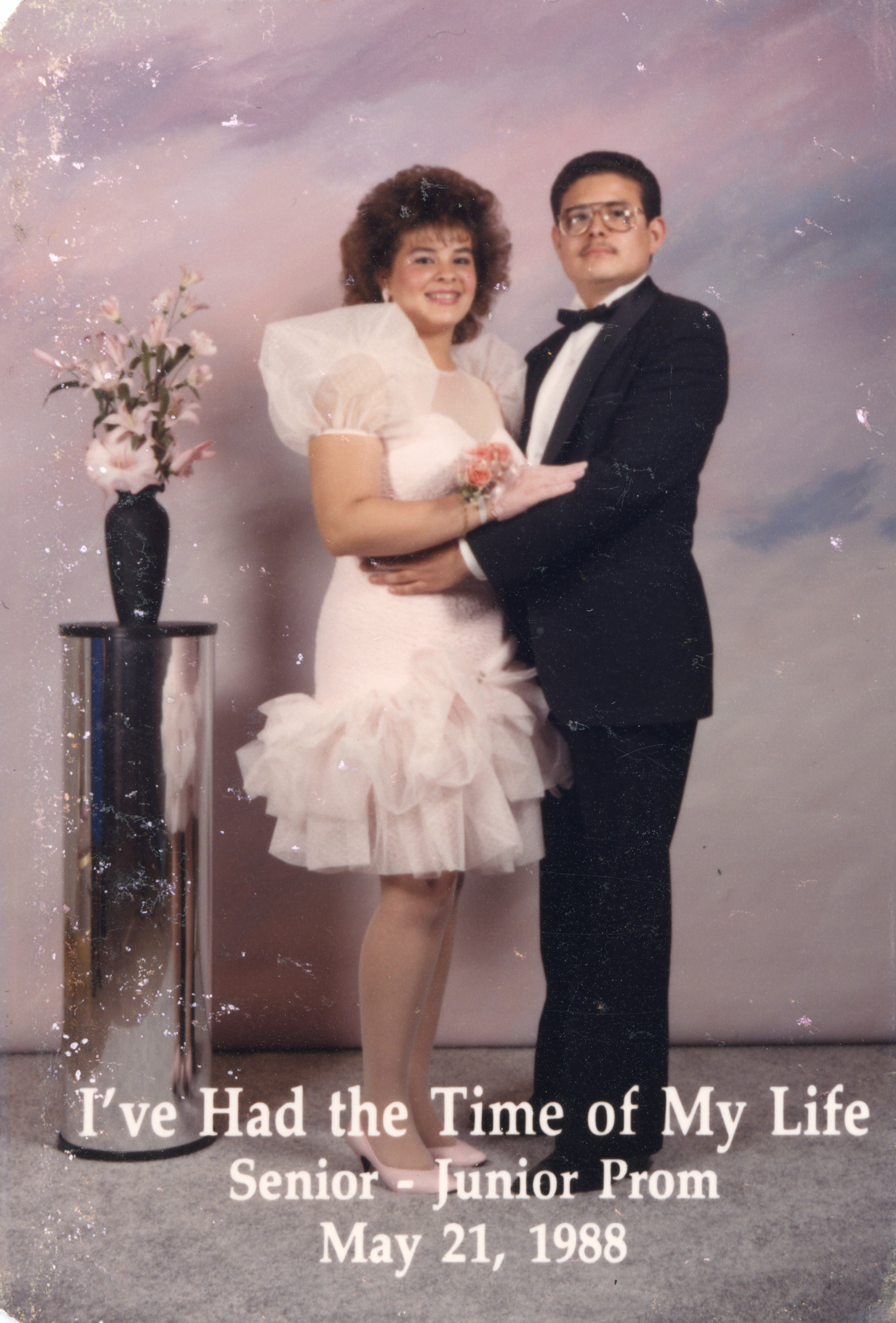
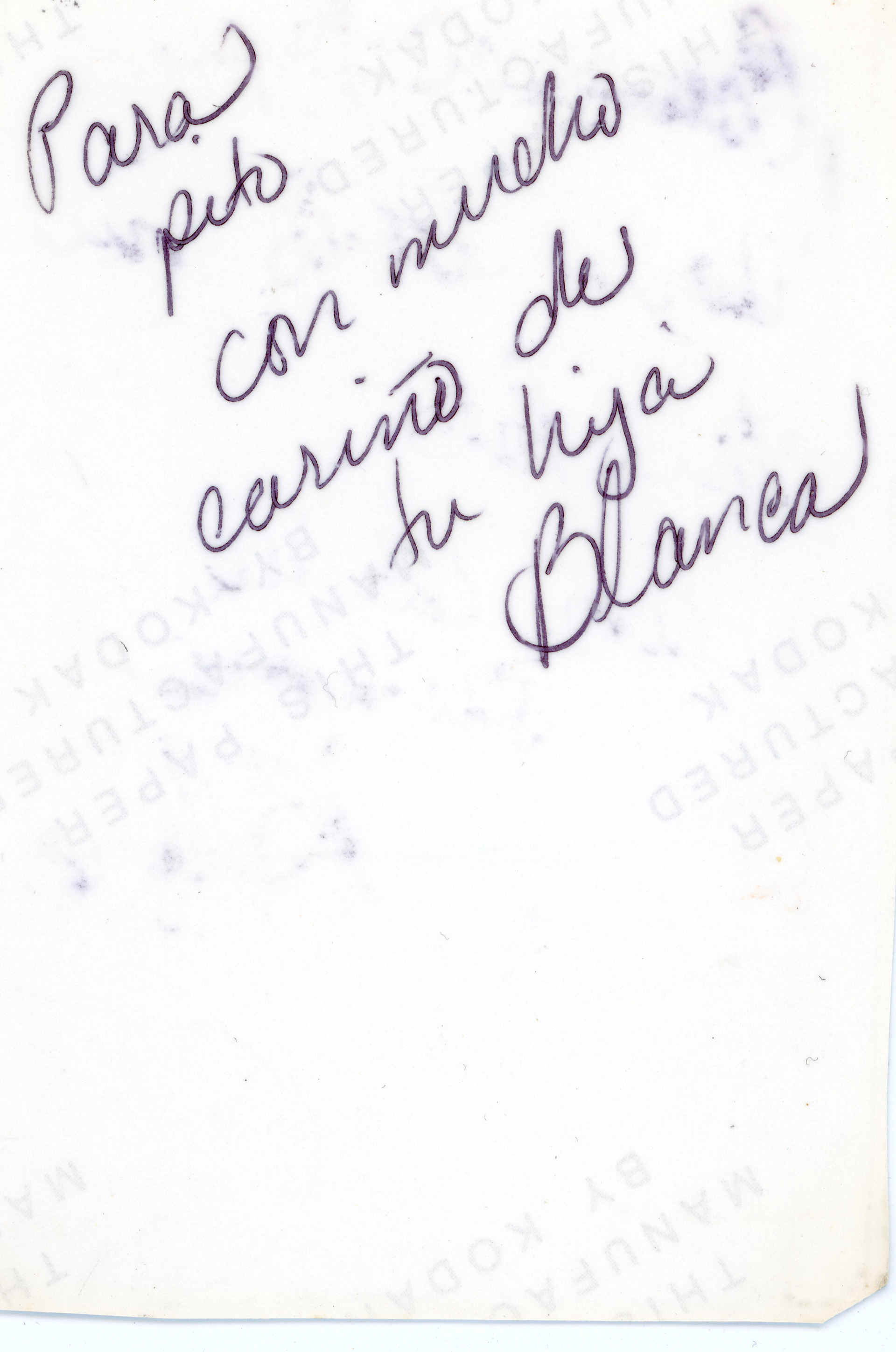
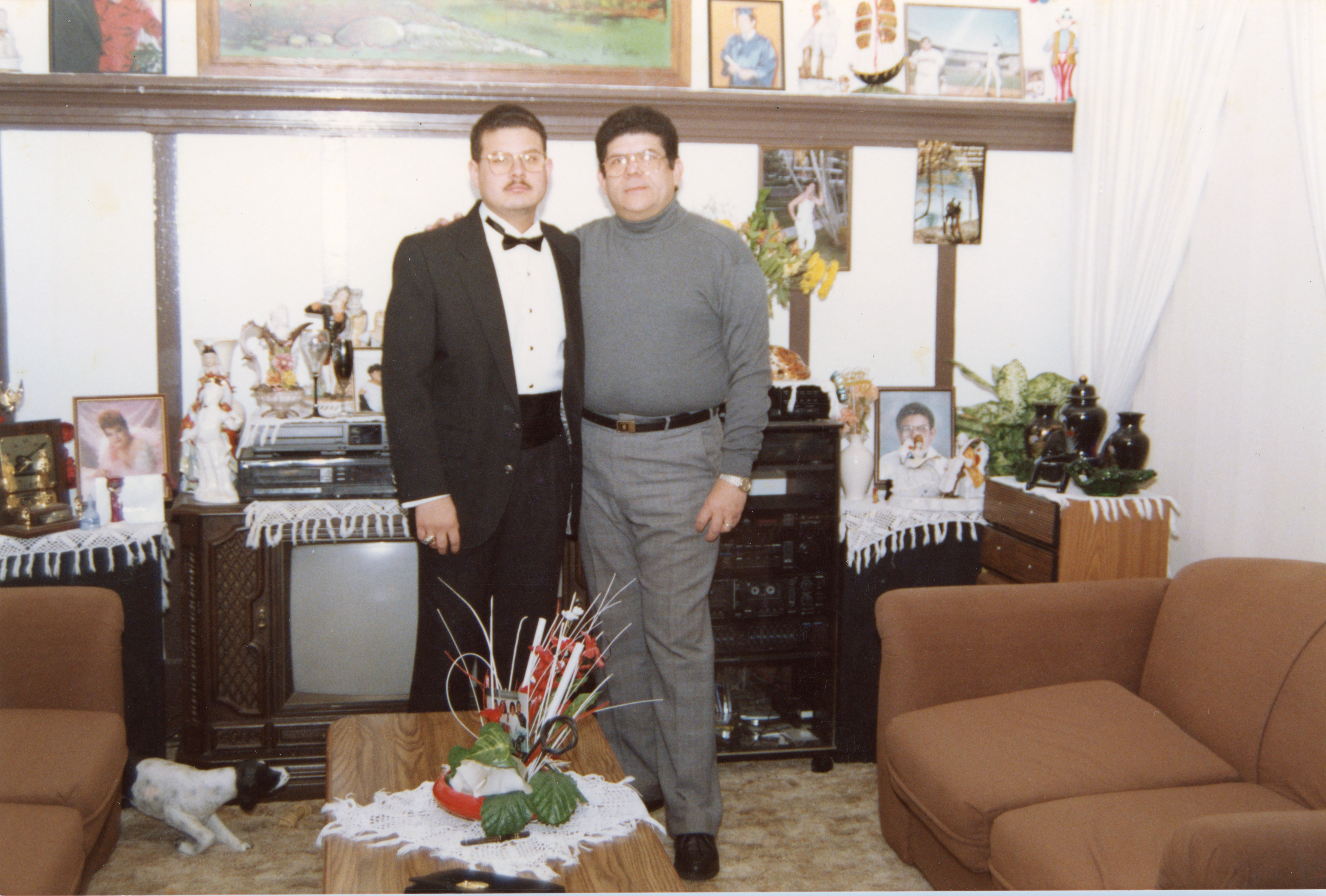
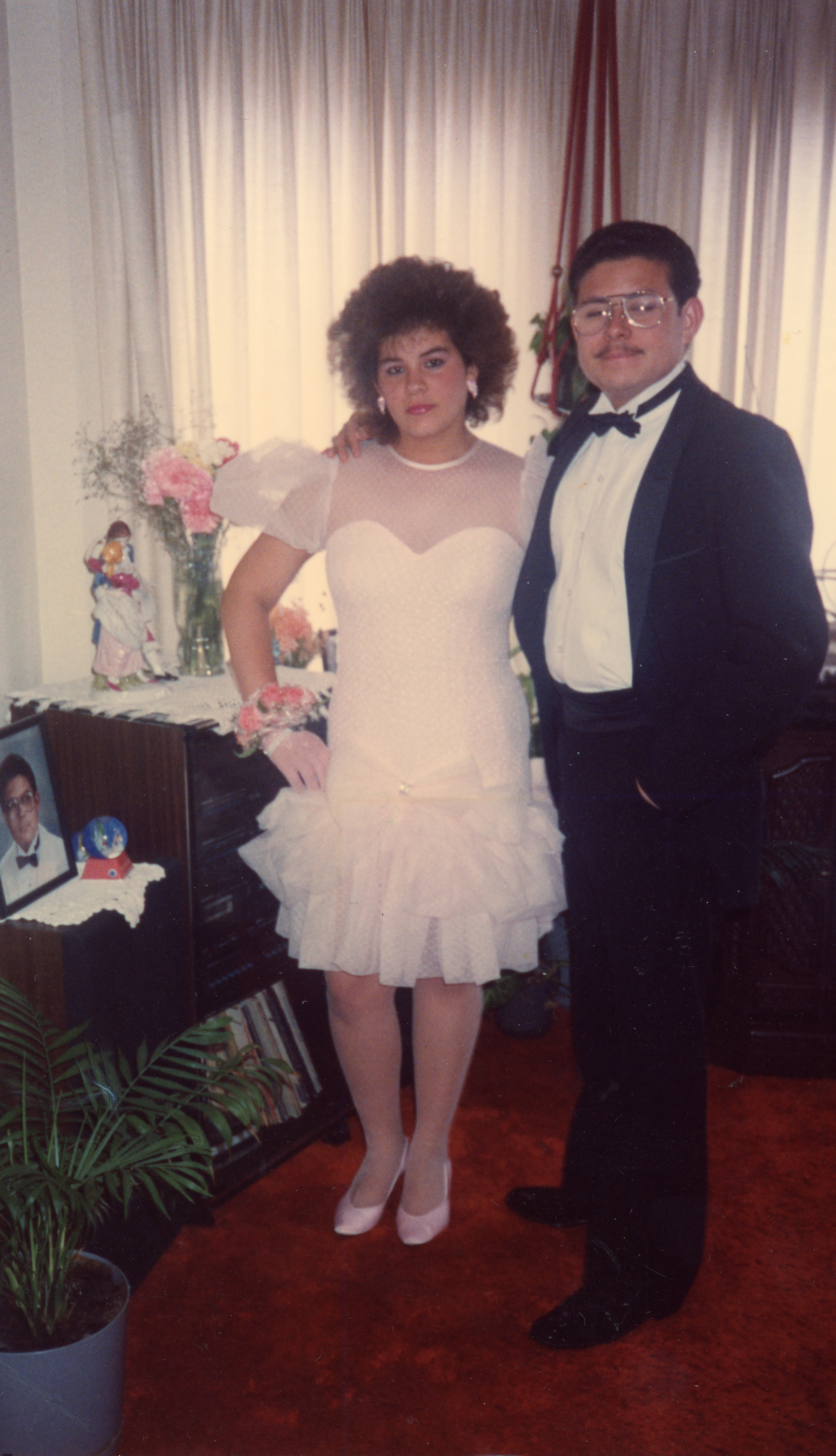
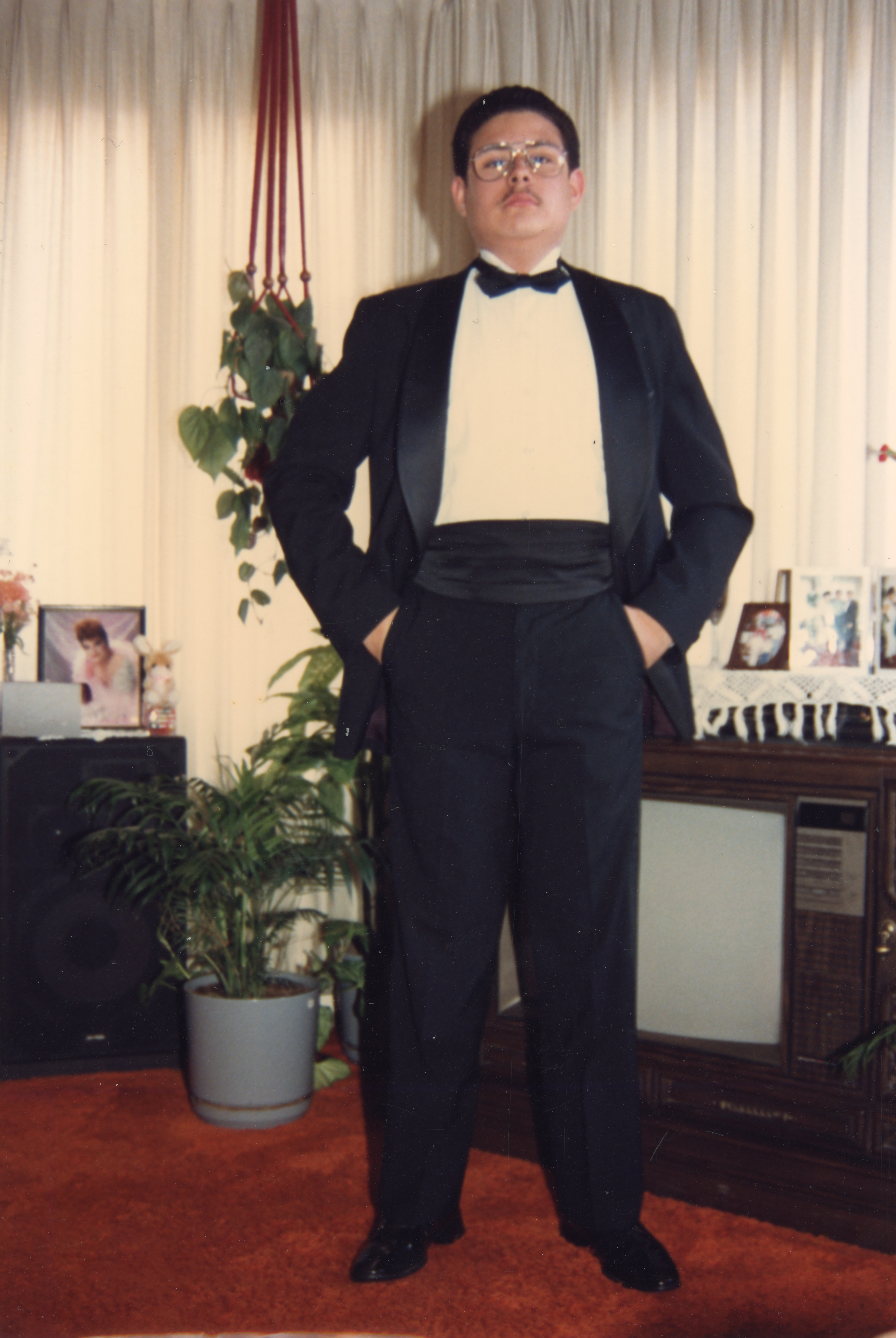
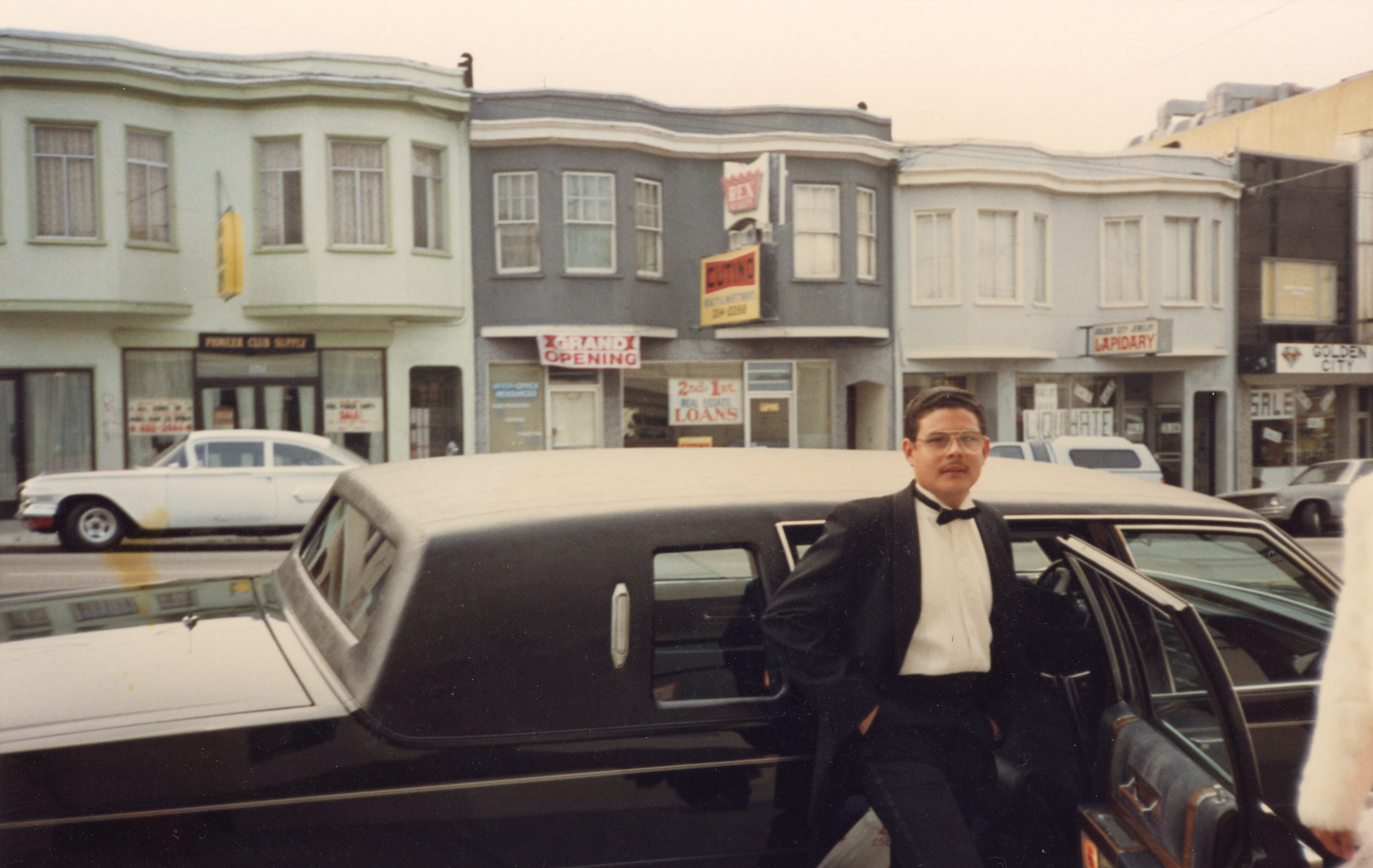
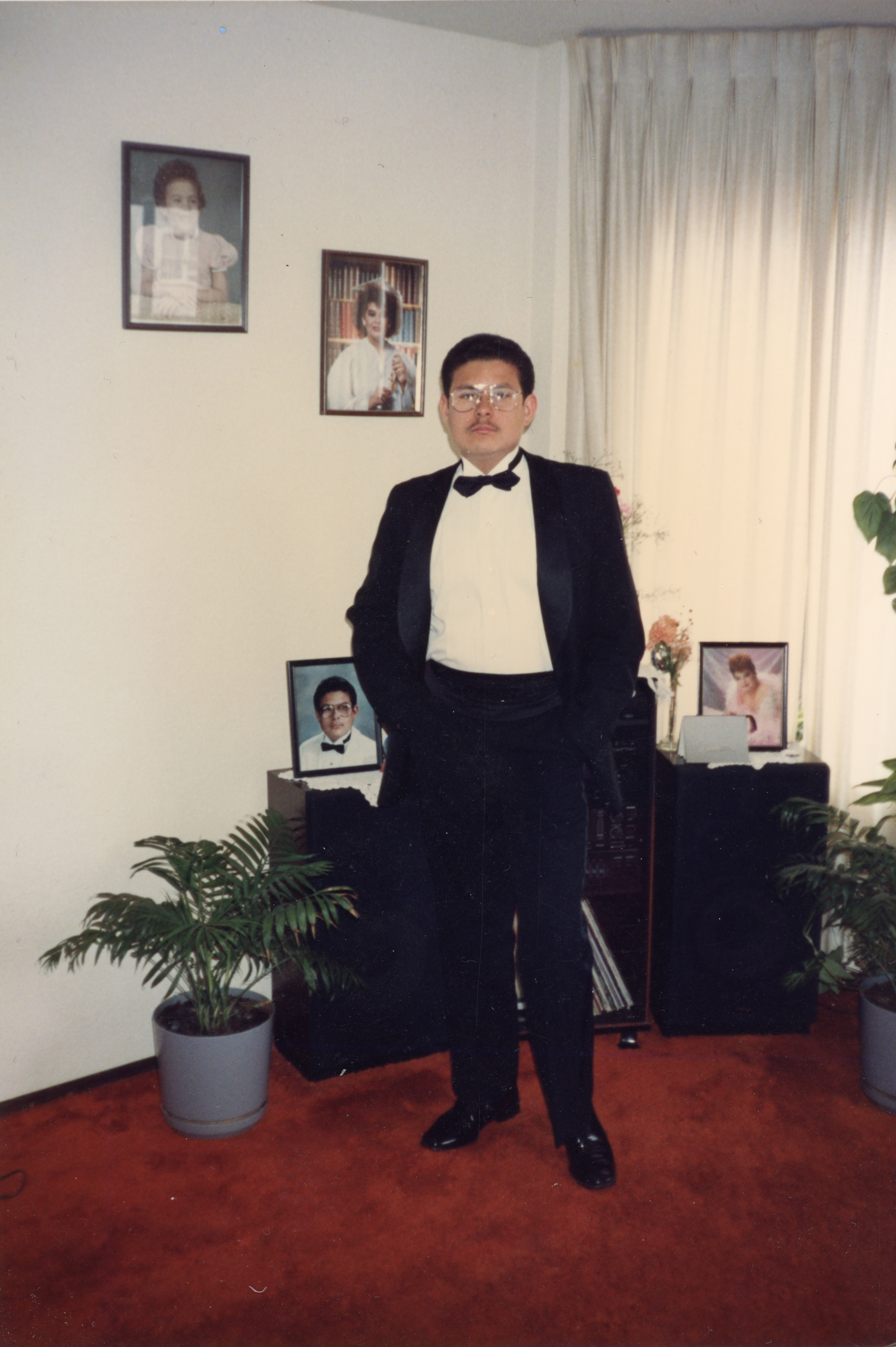
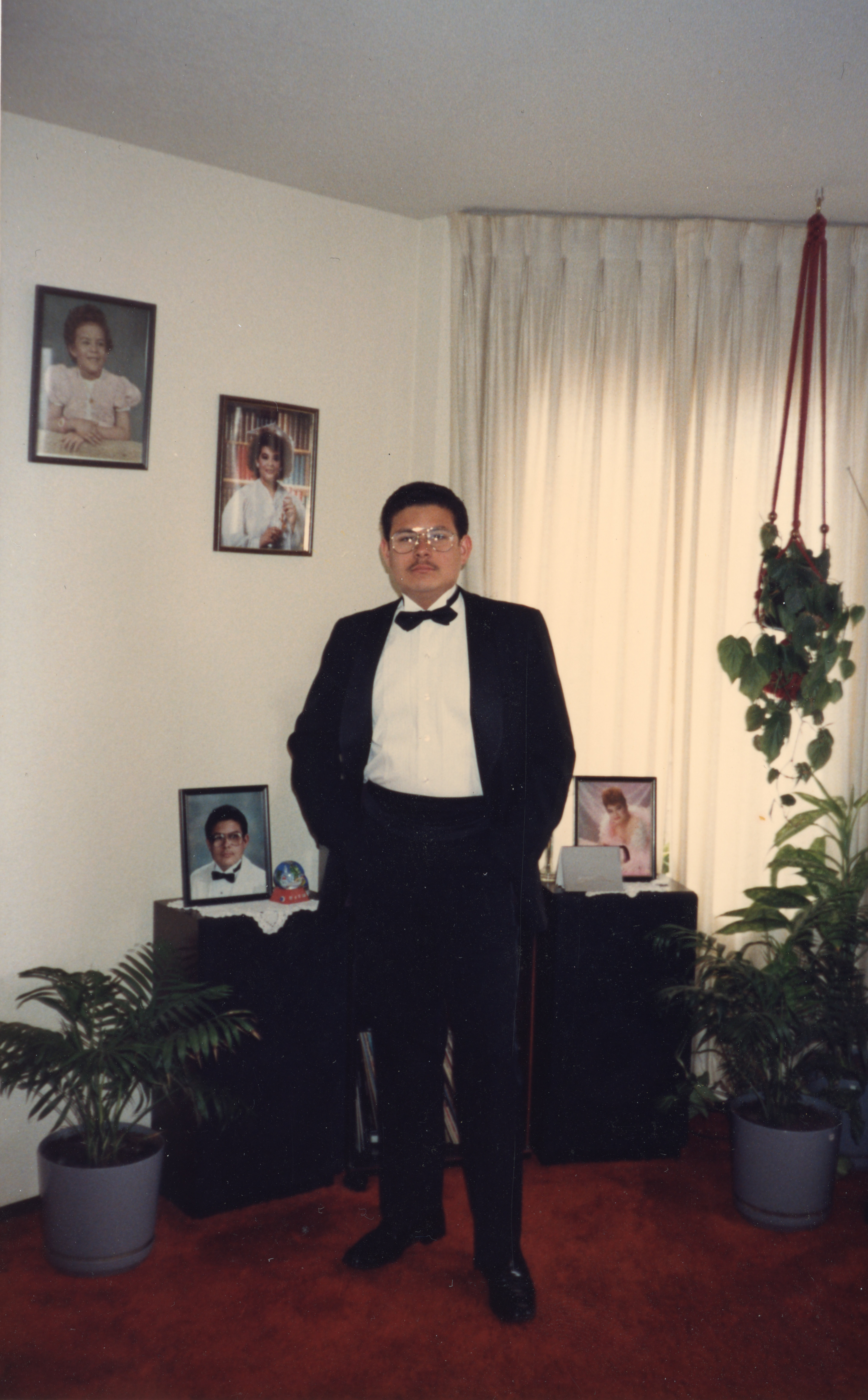
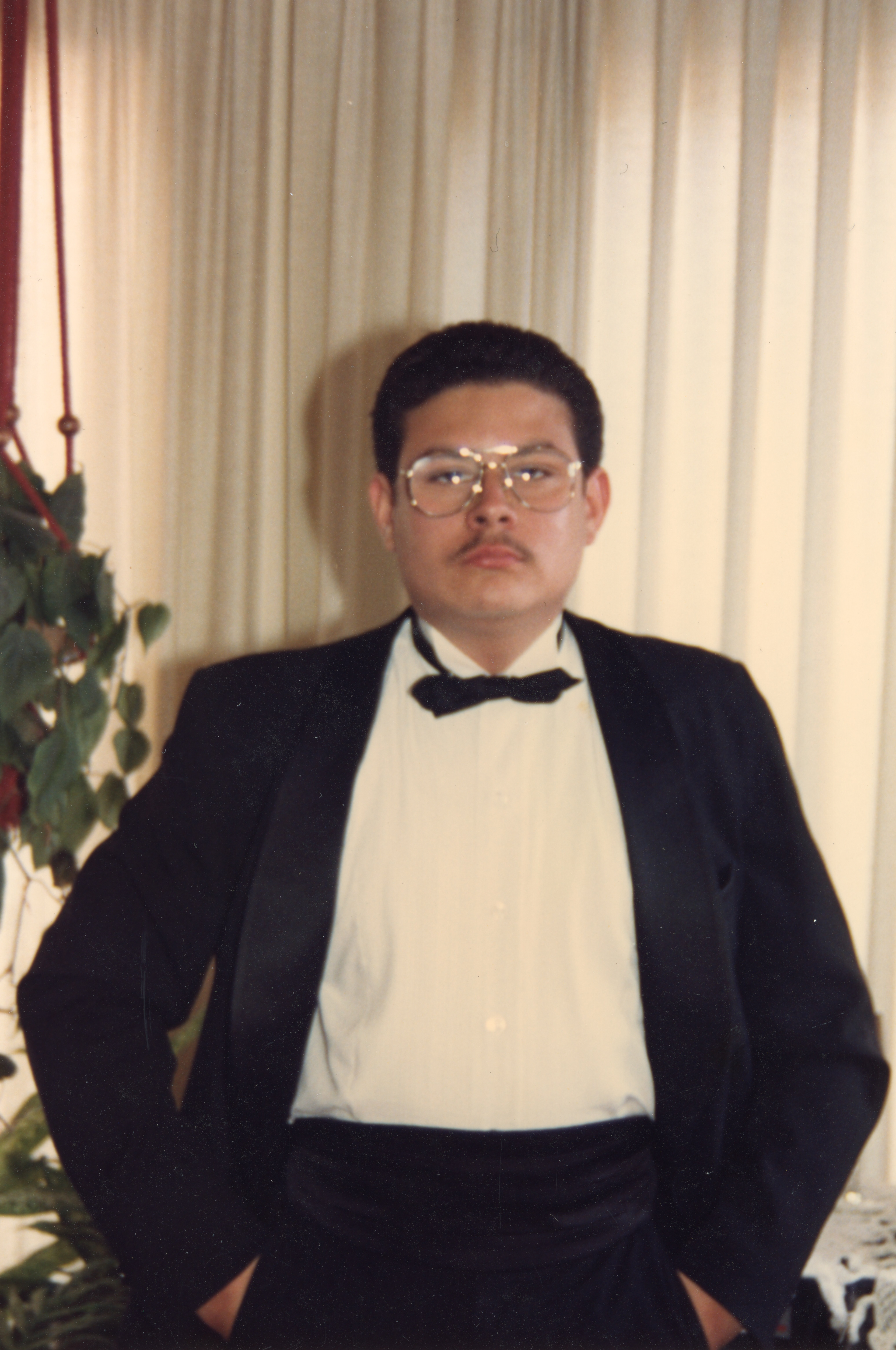
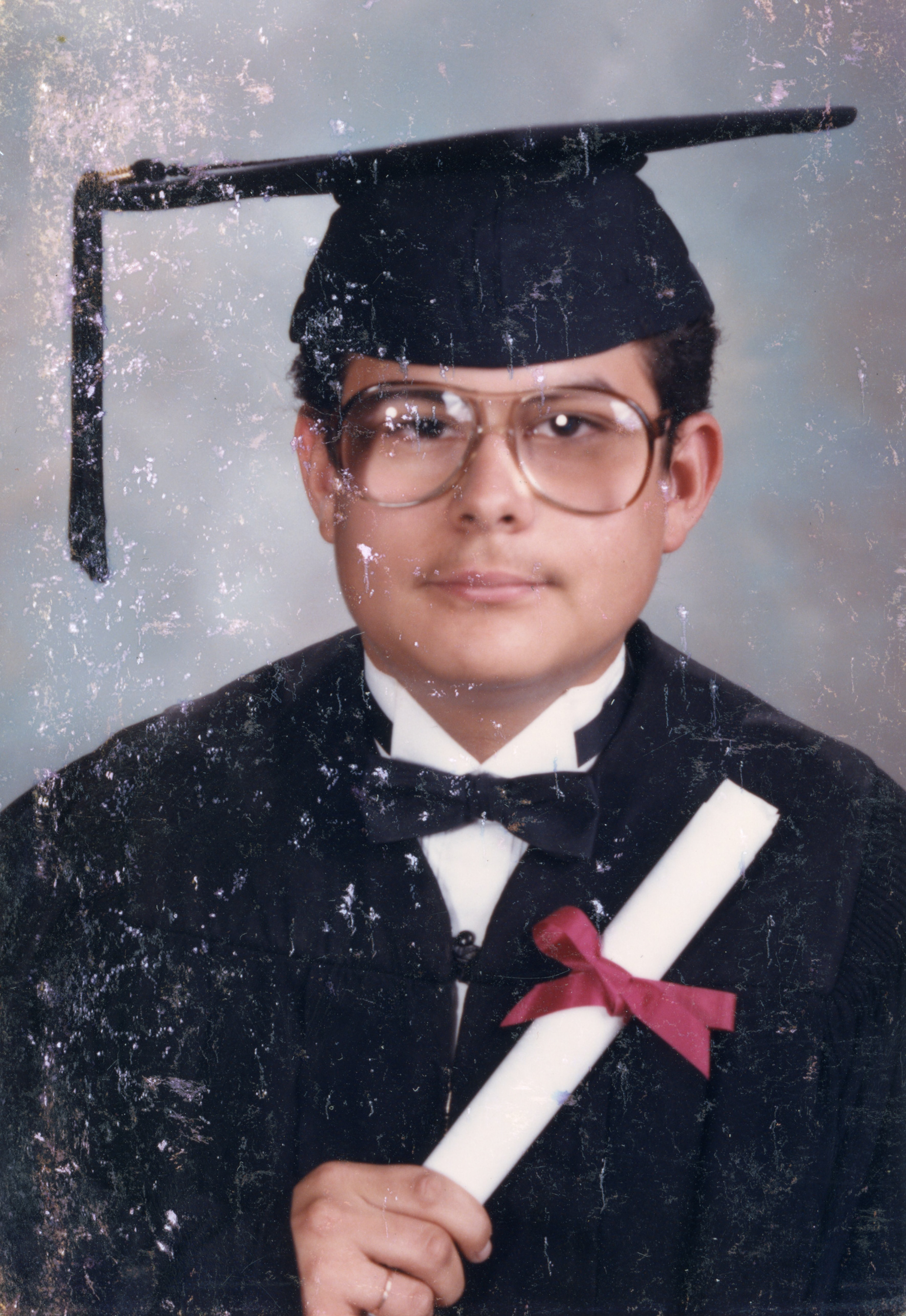
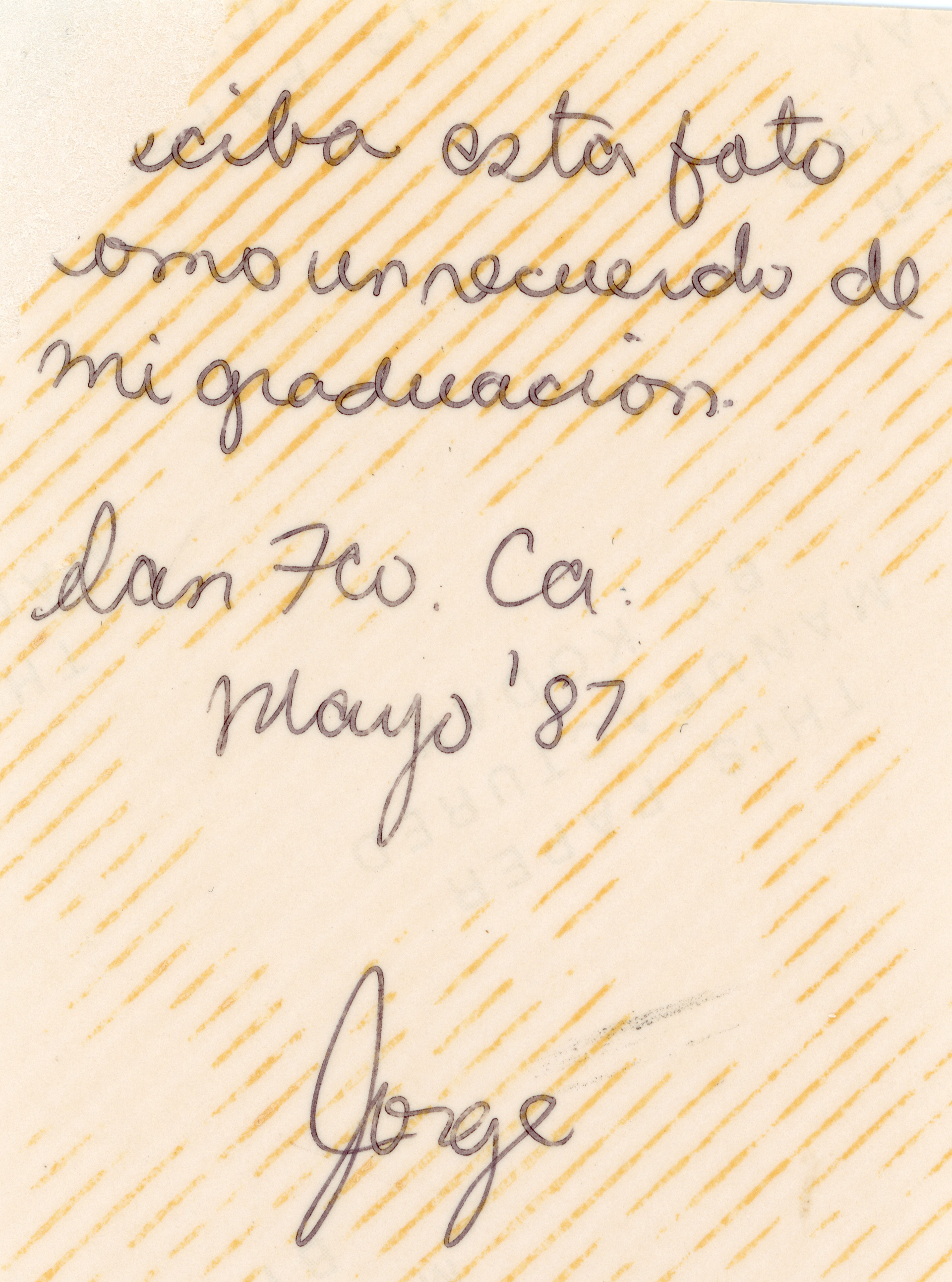
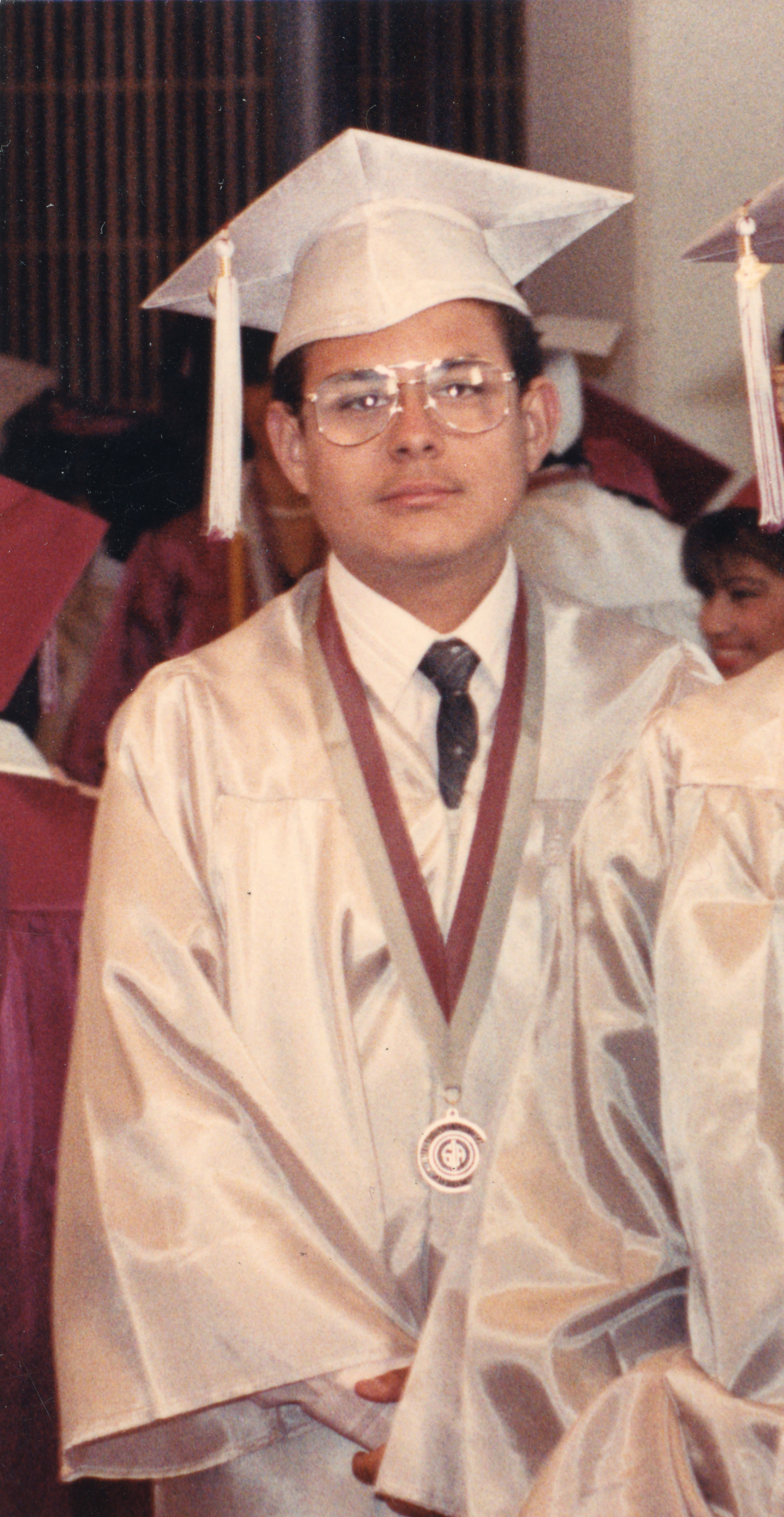
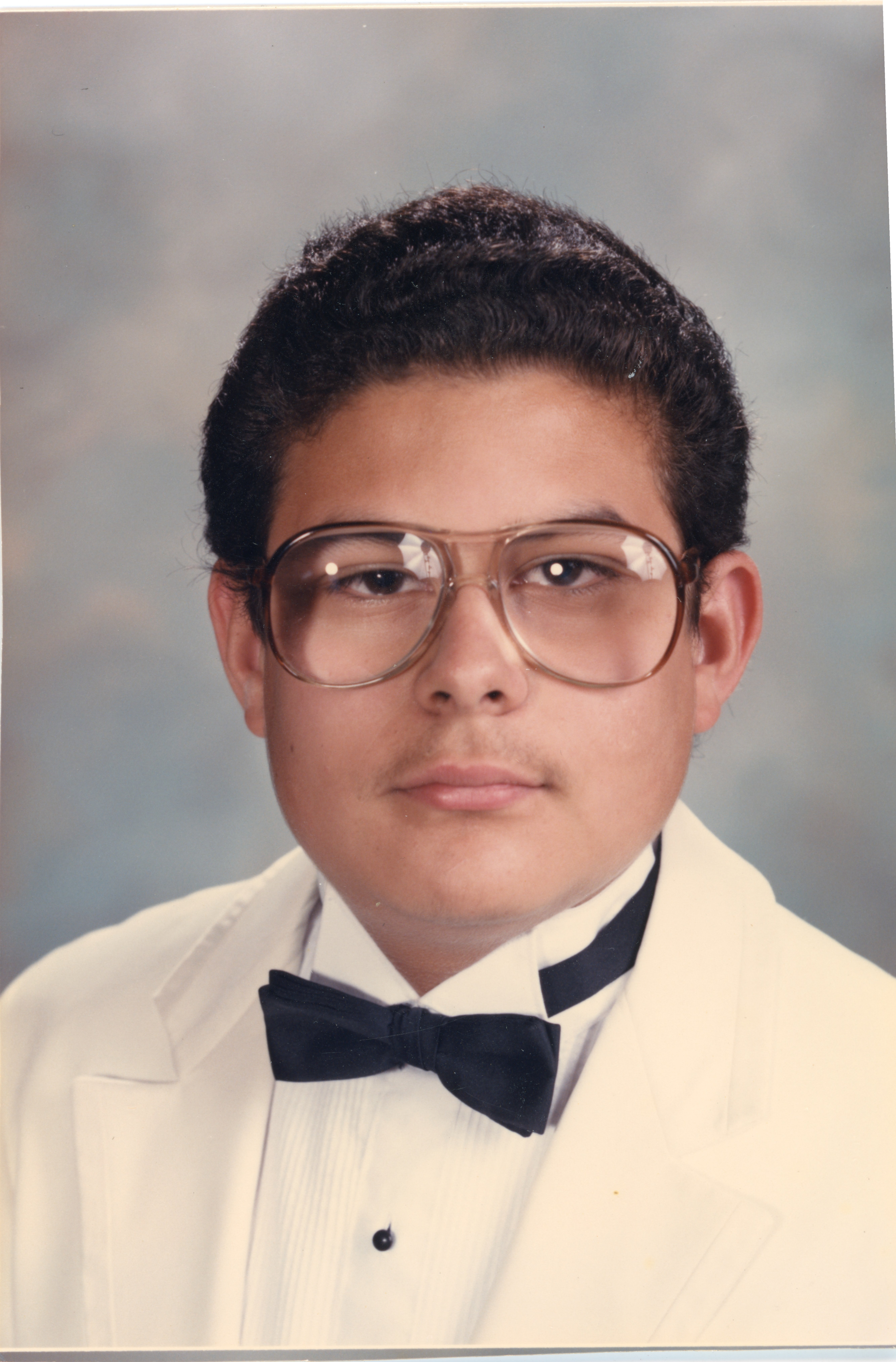
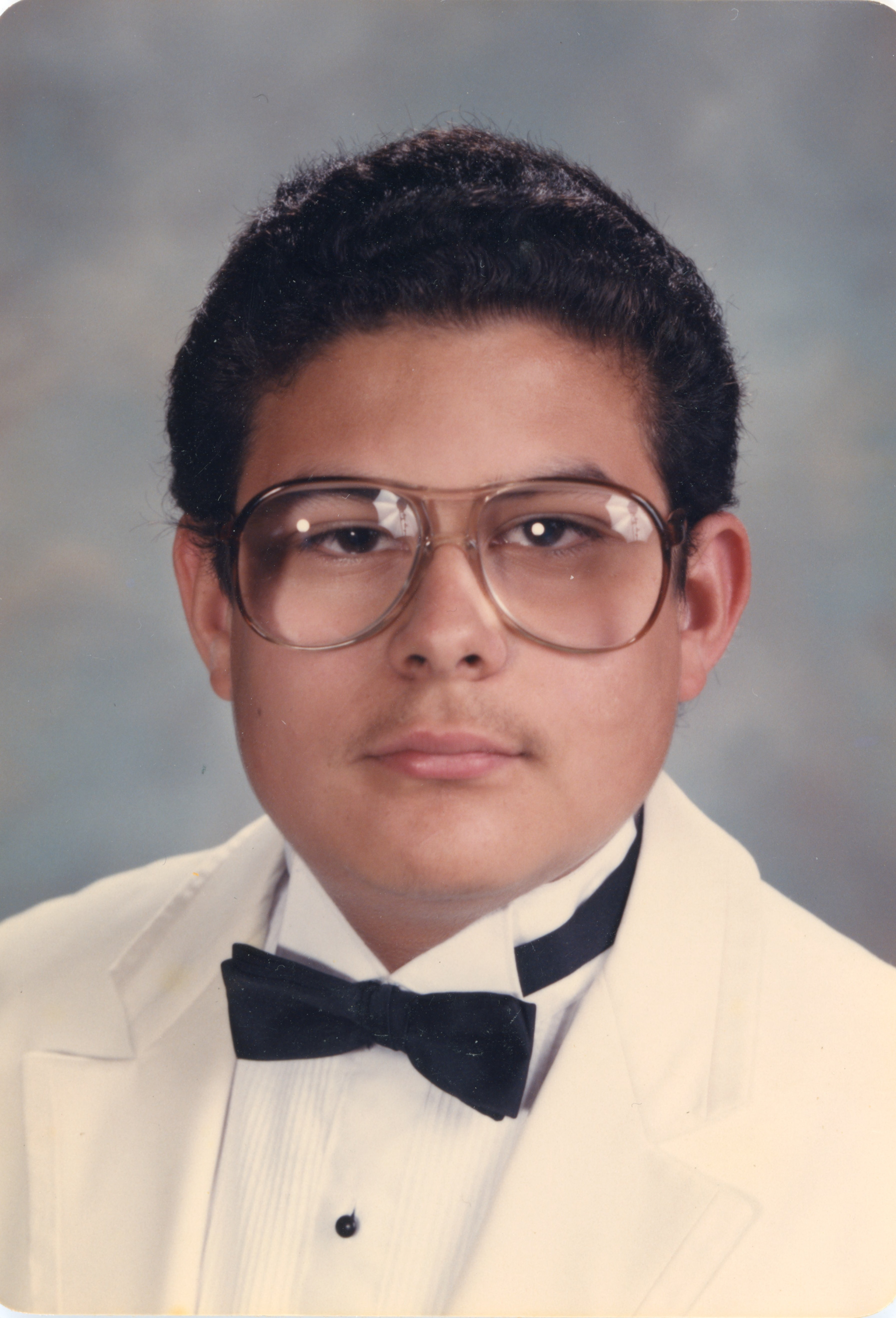
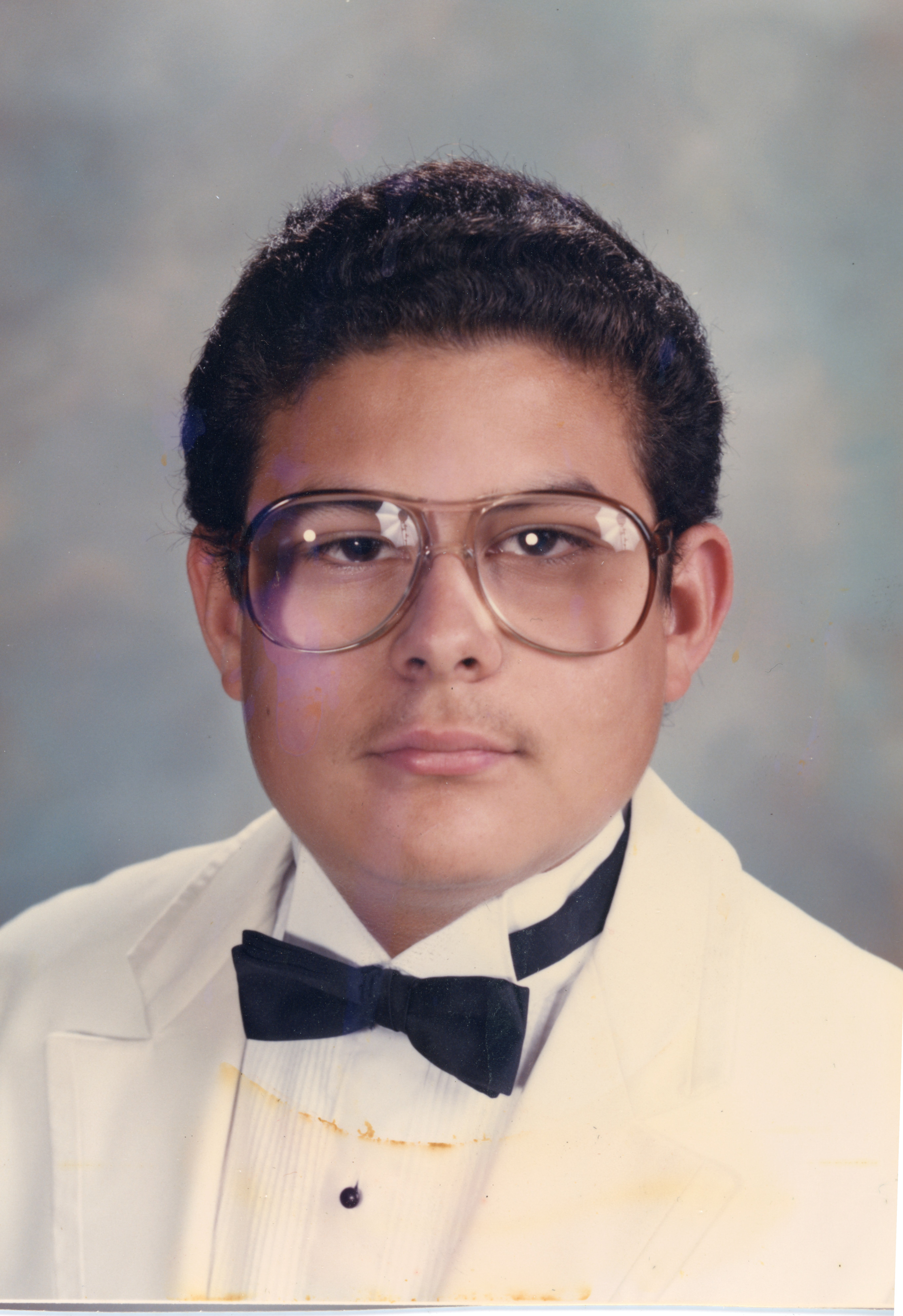
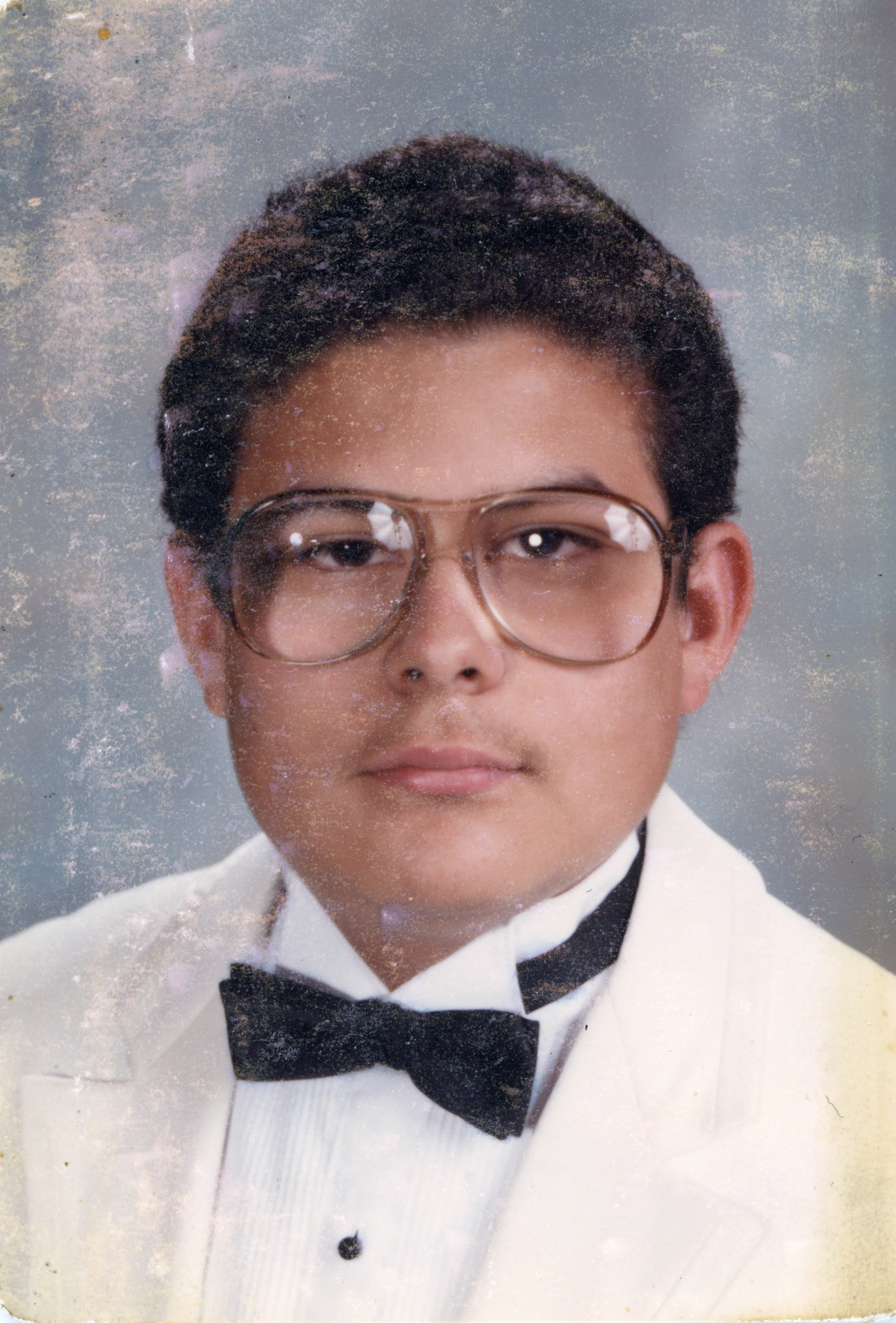
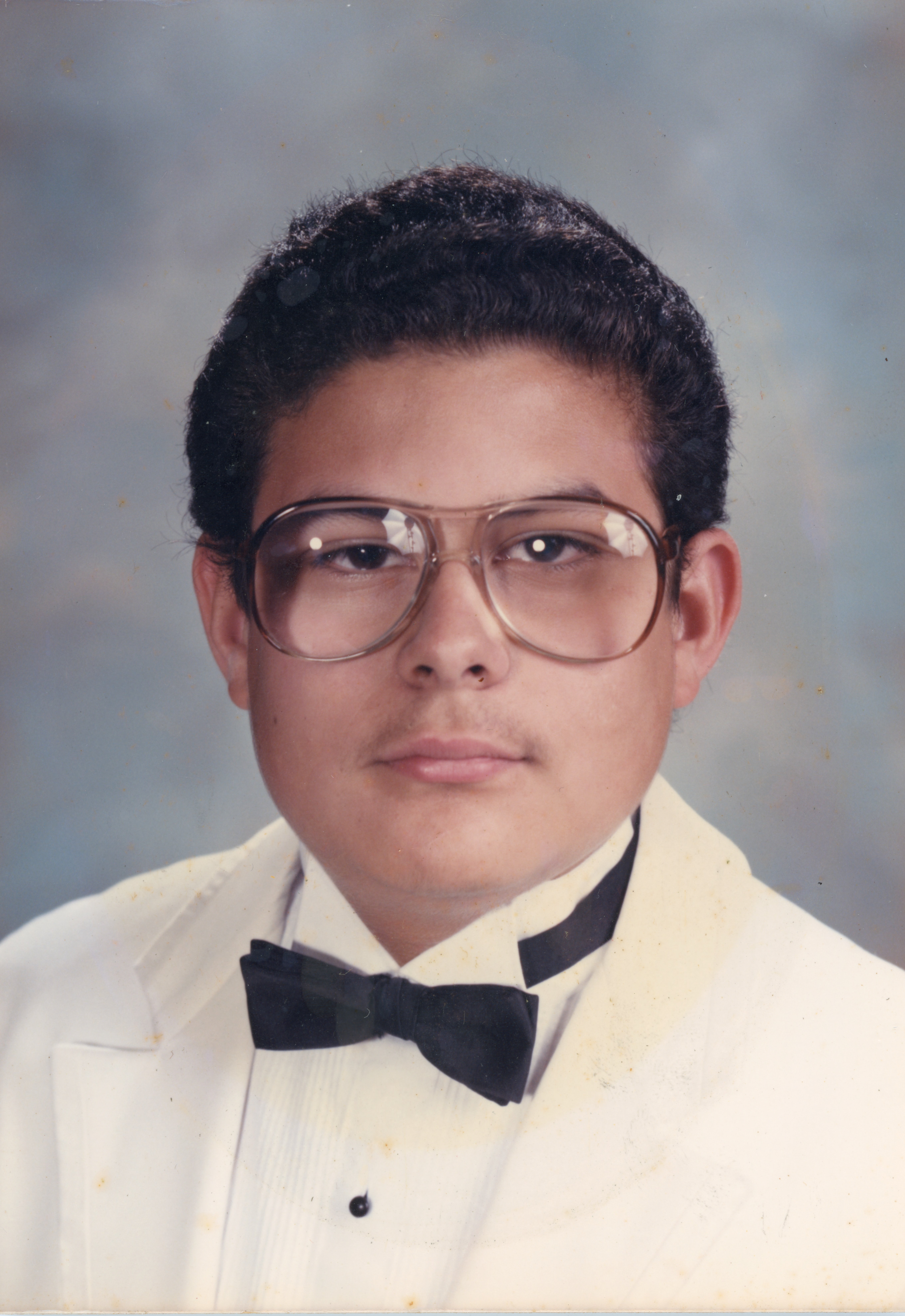
The many iterations of the senior portrait
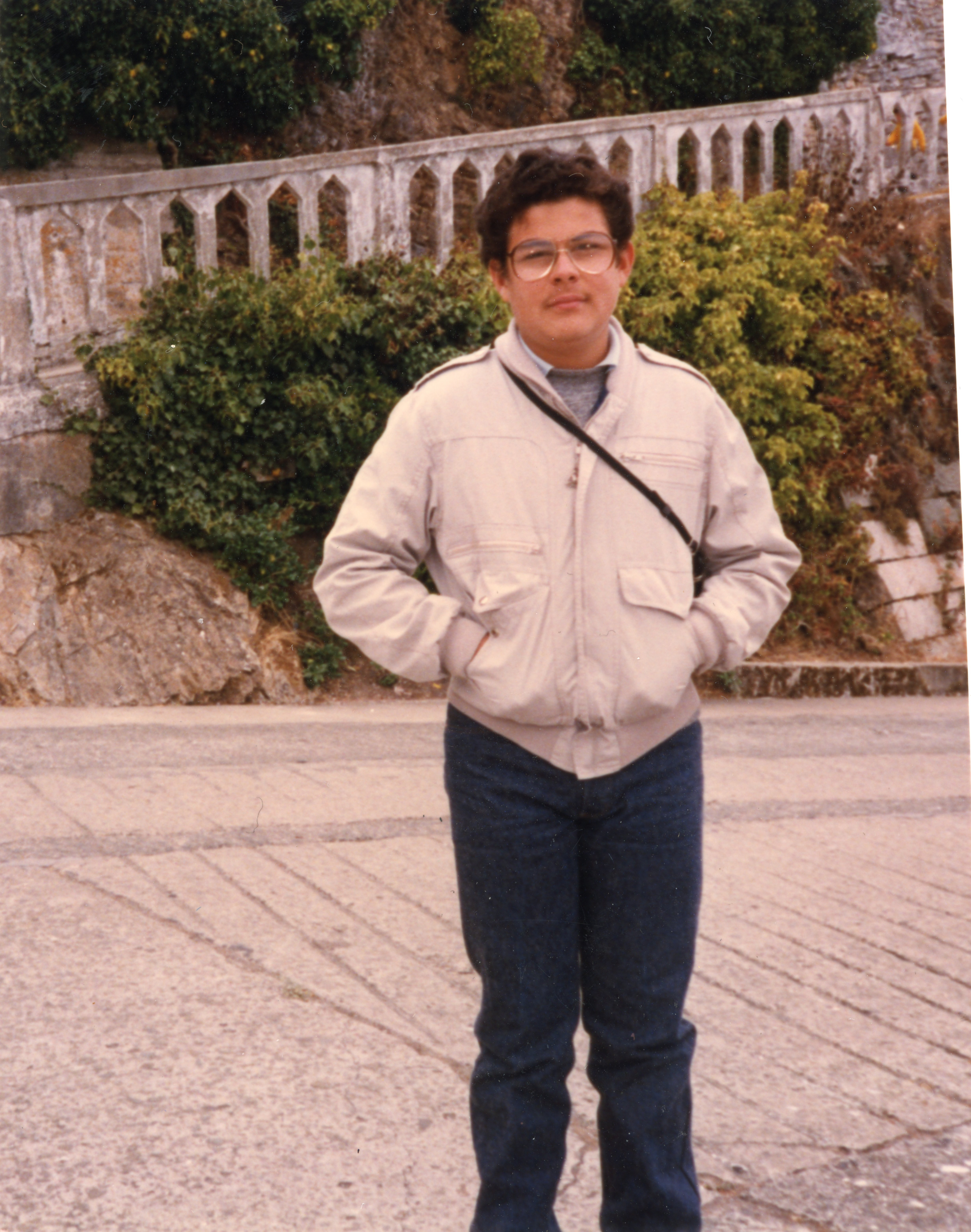
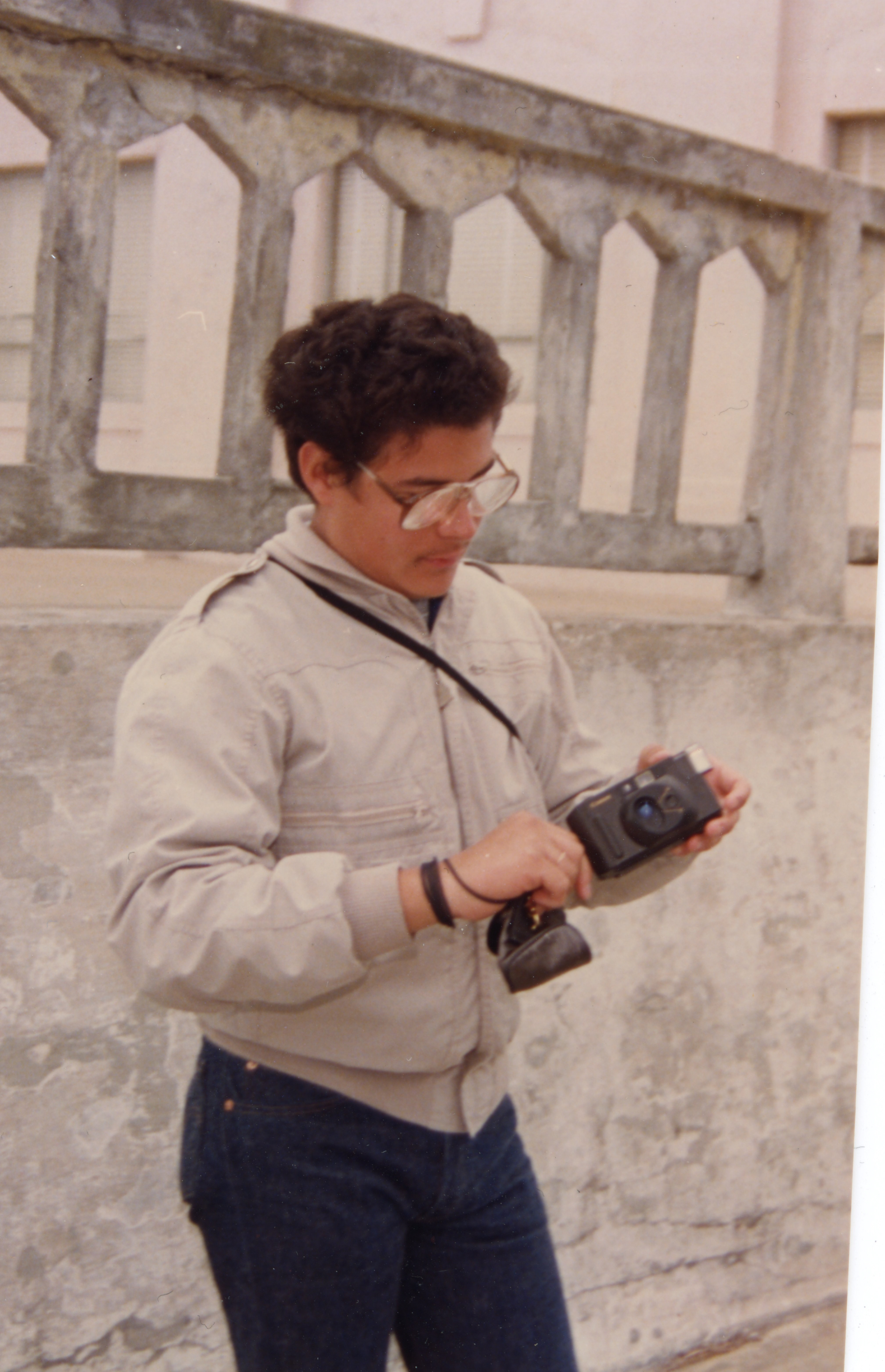
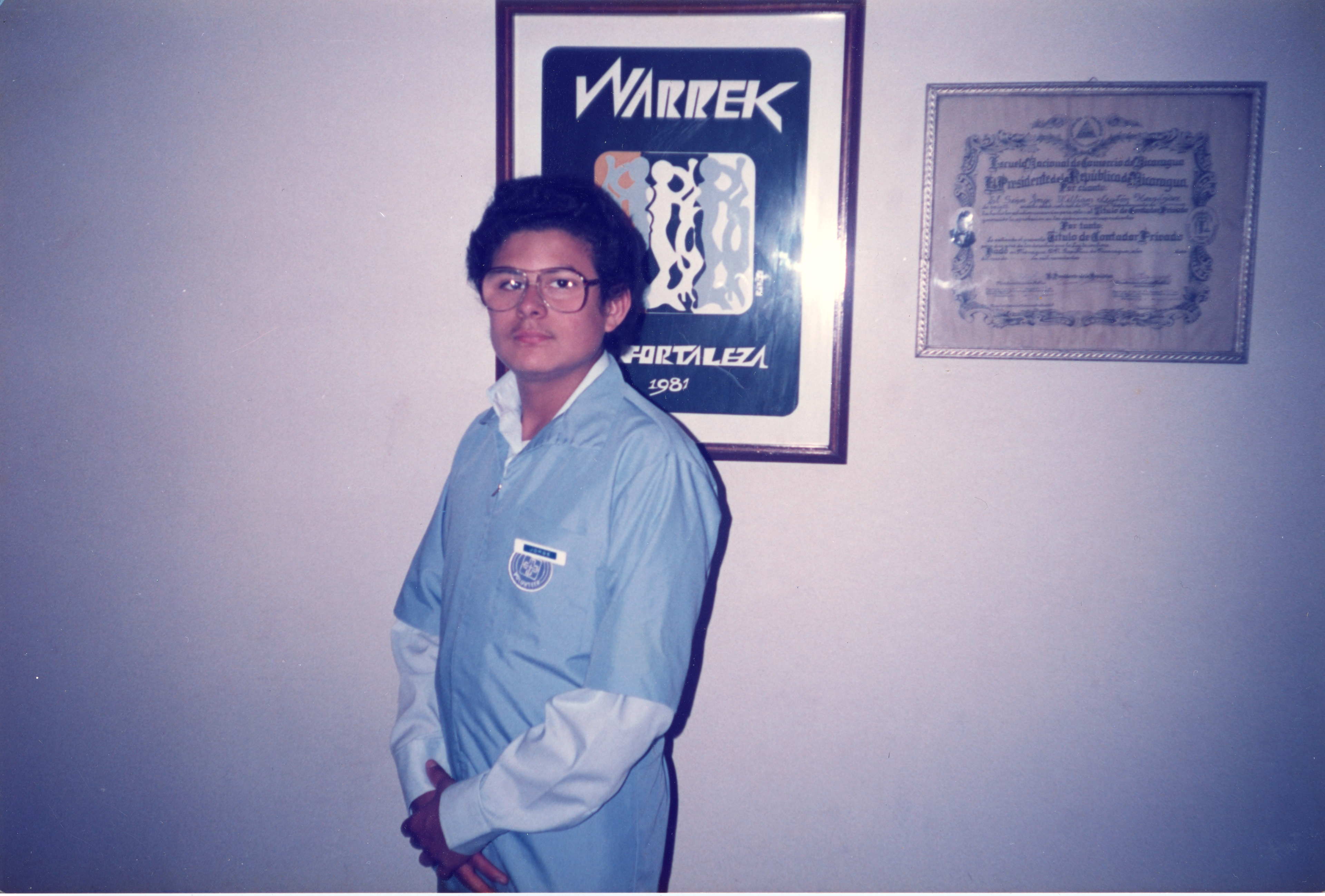
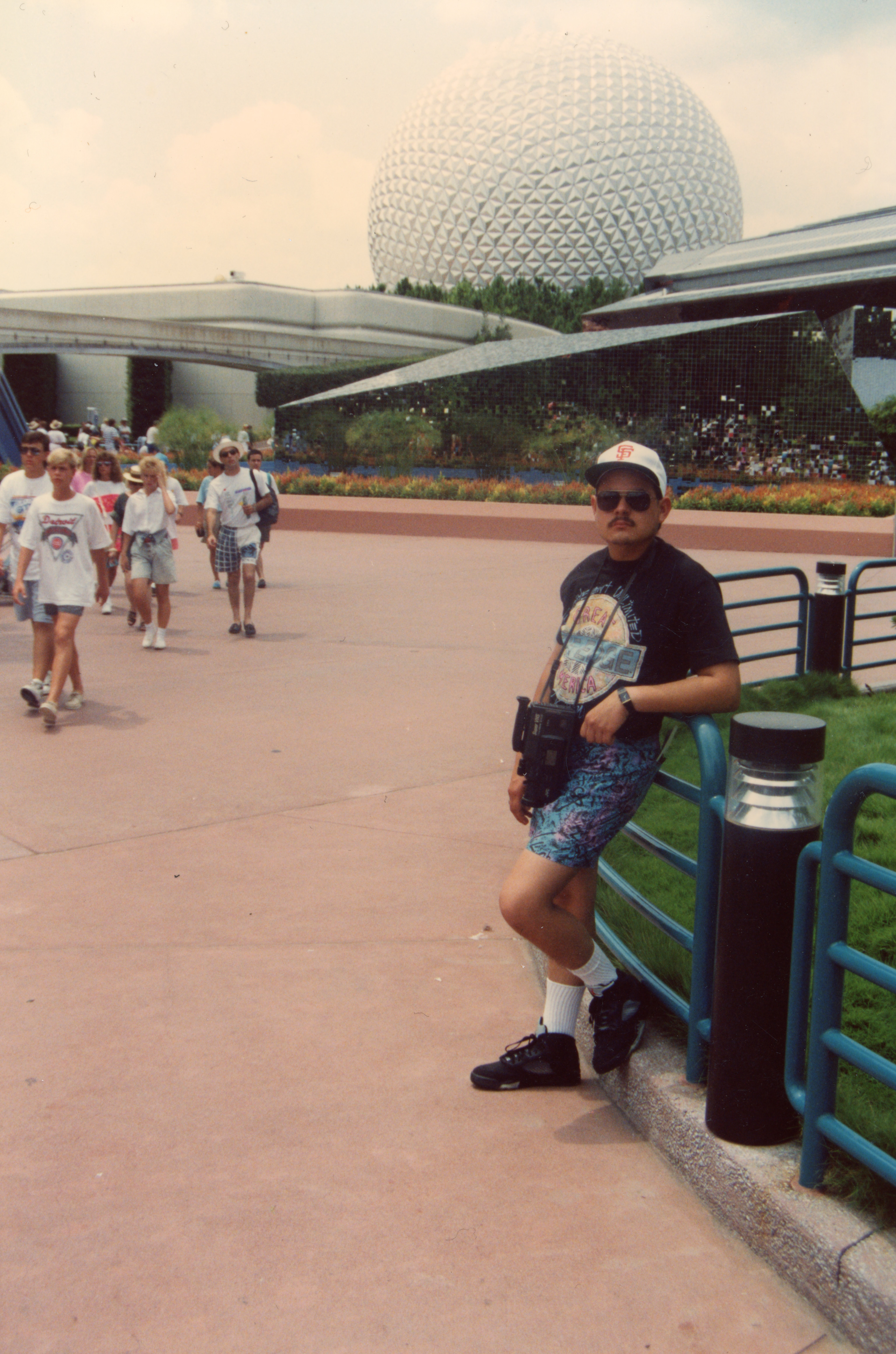
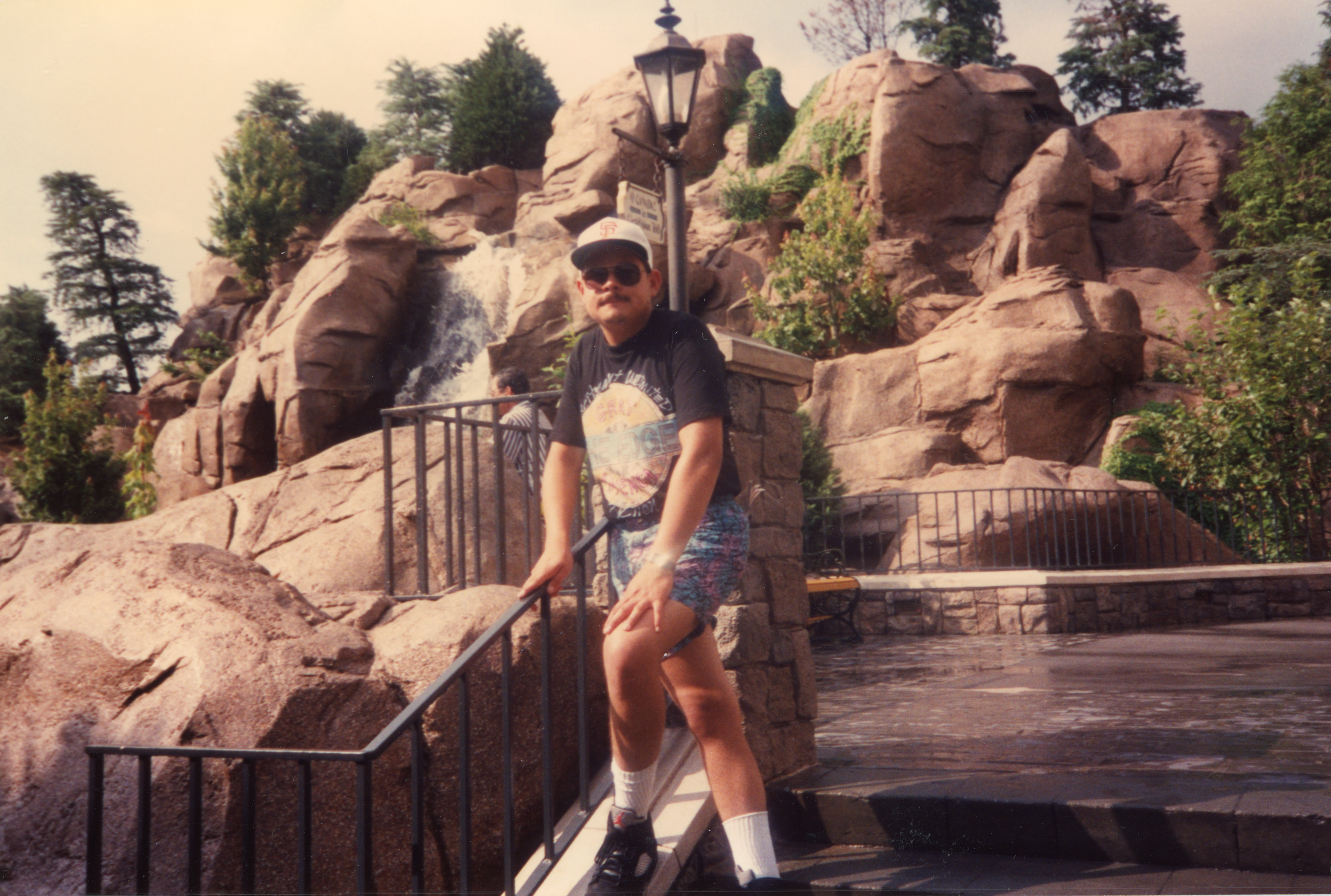
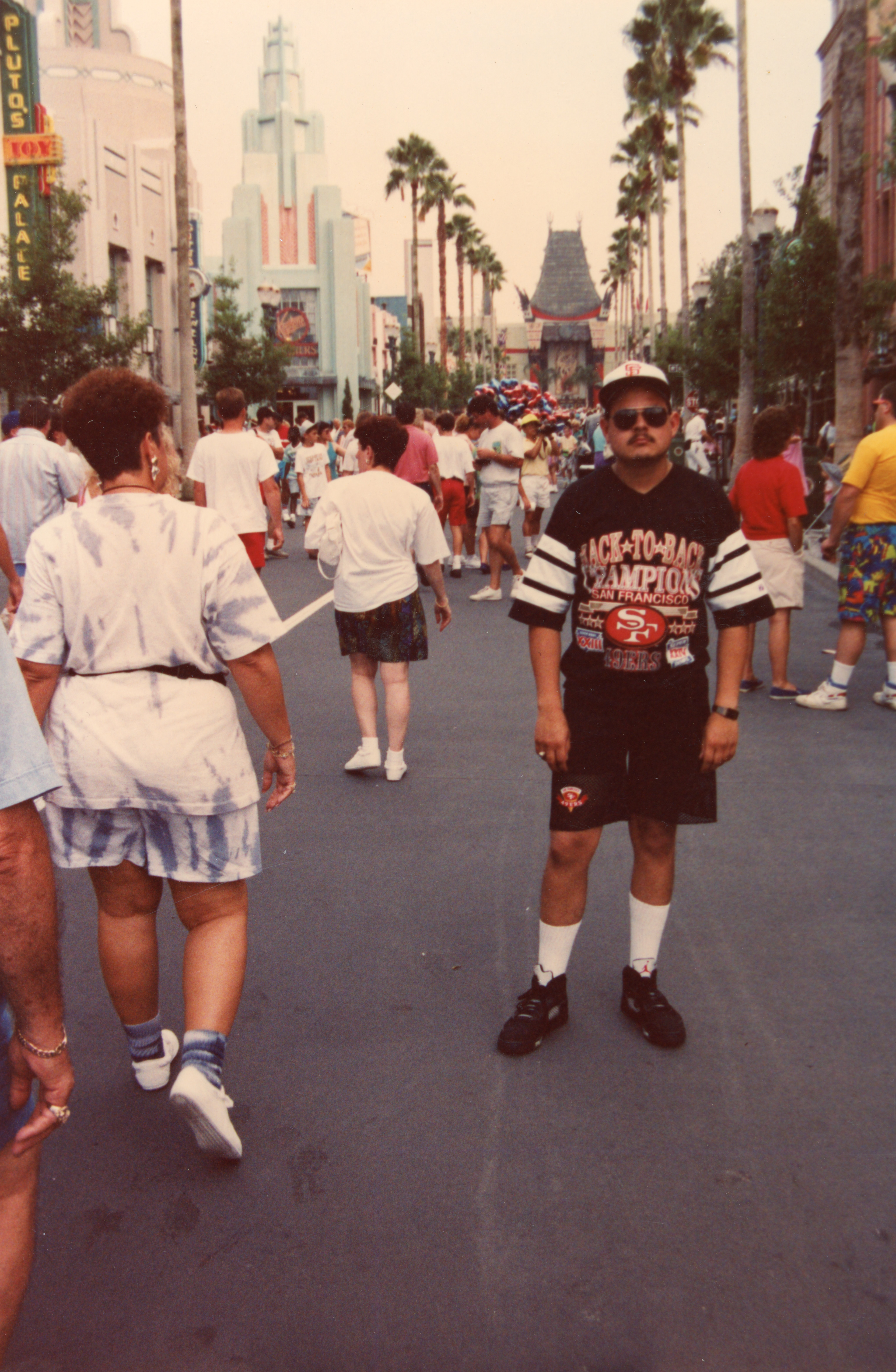
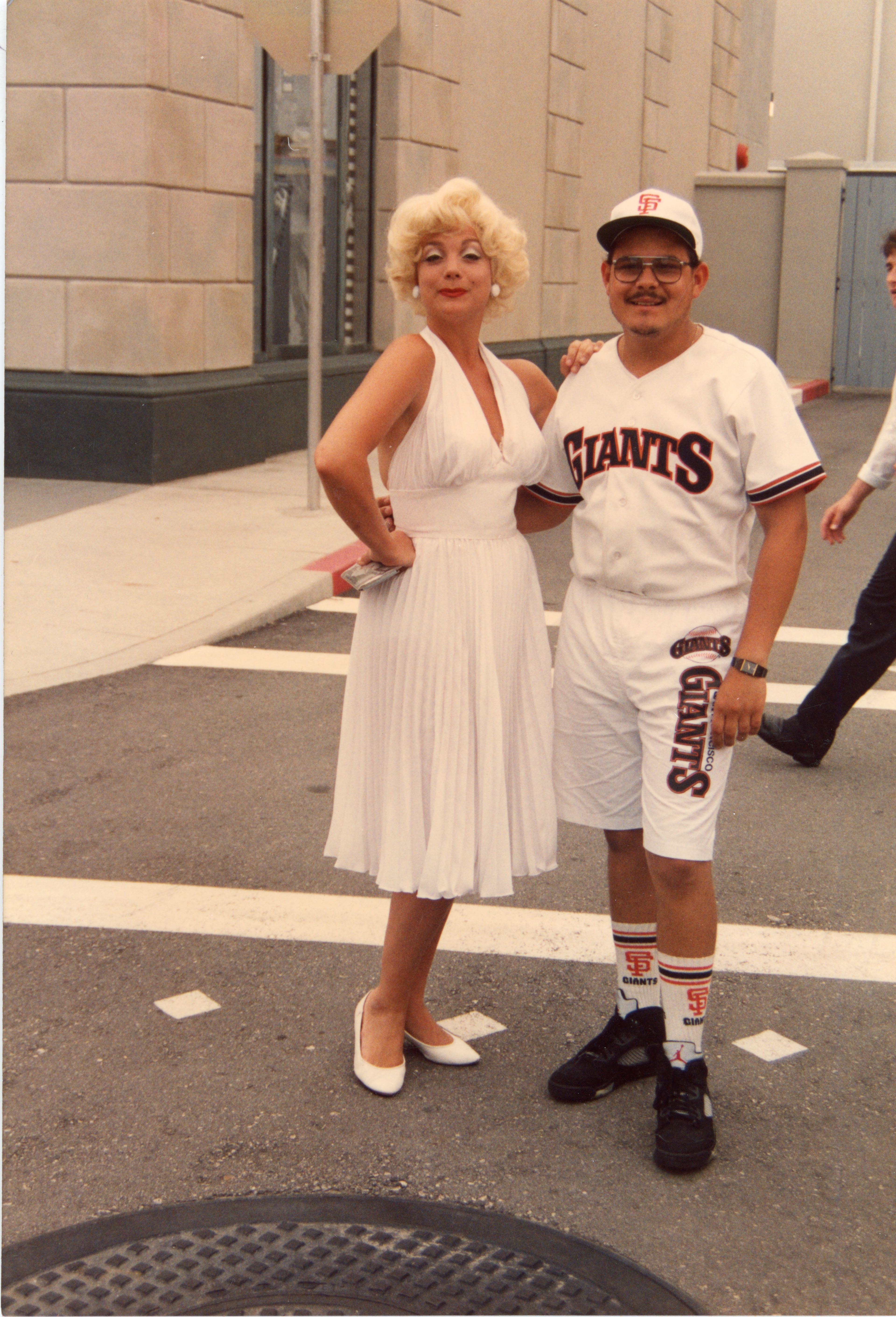
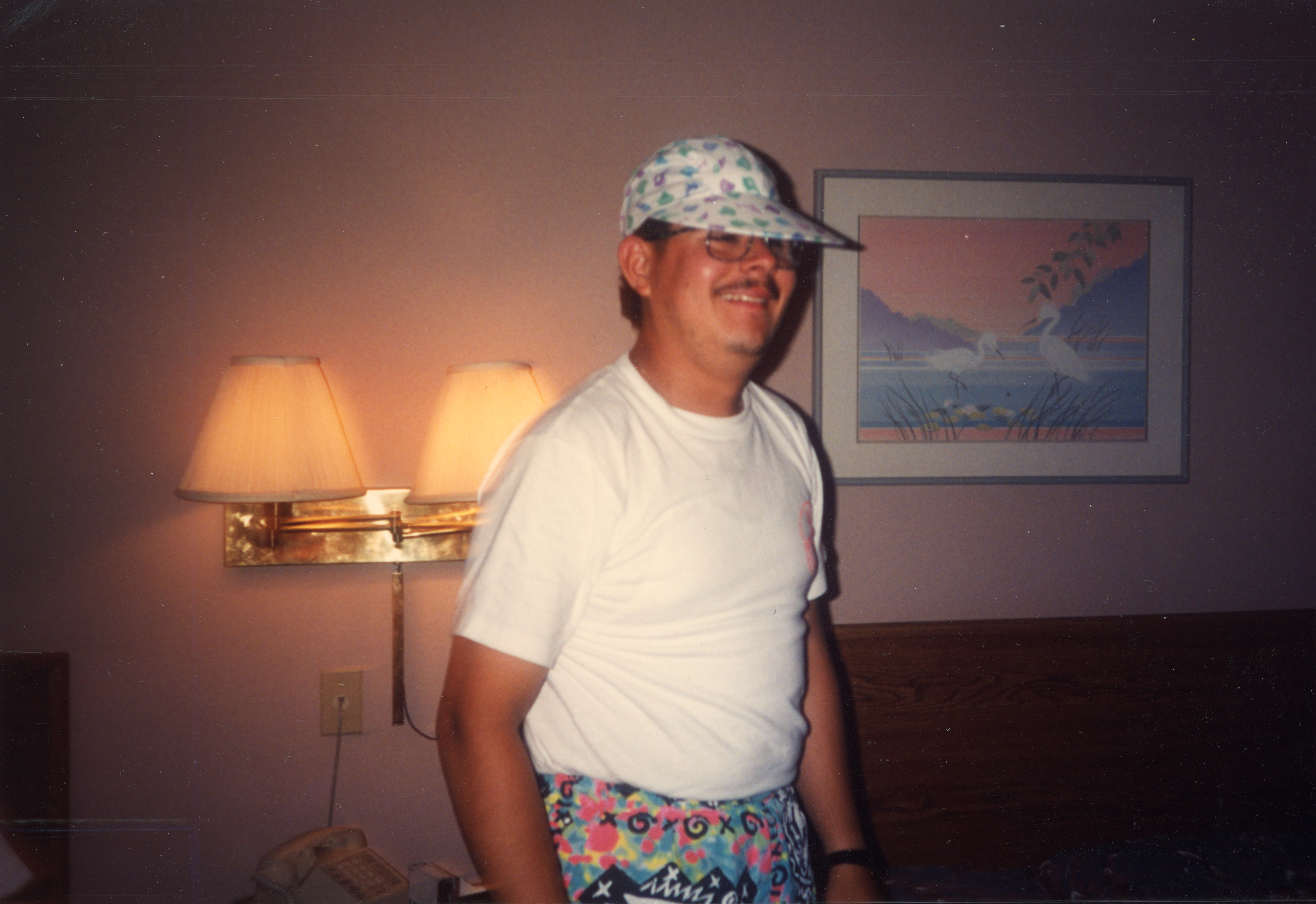
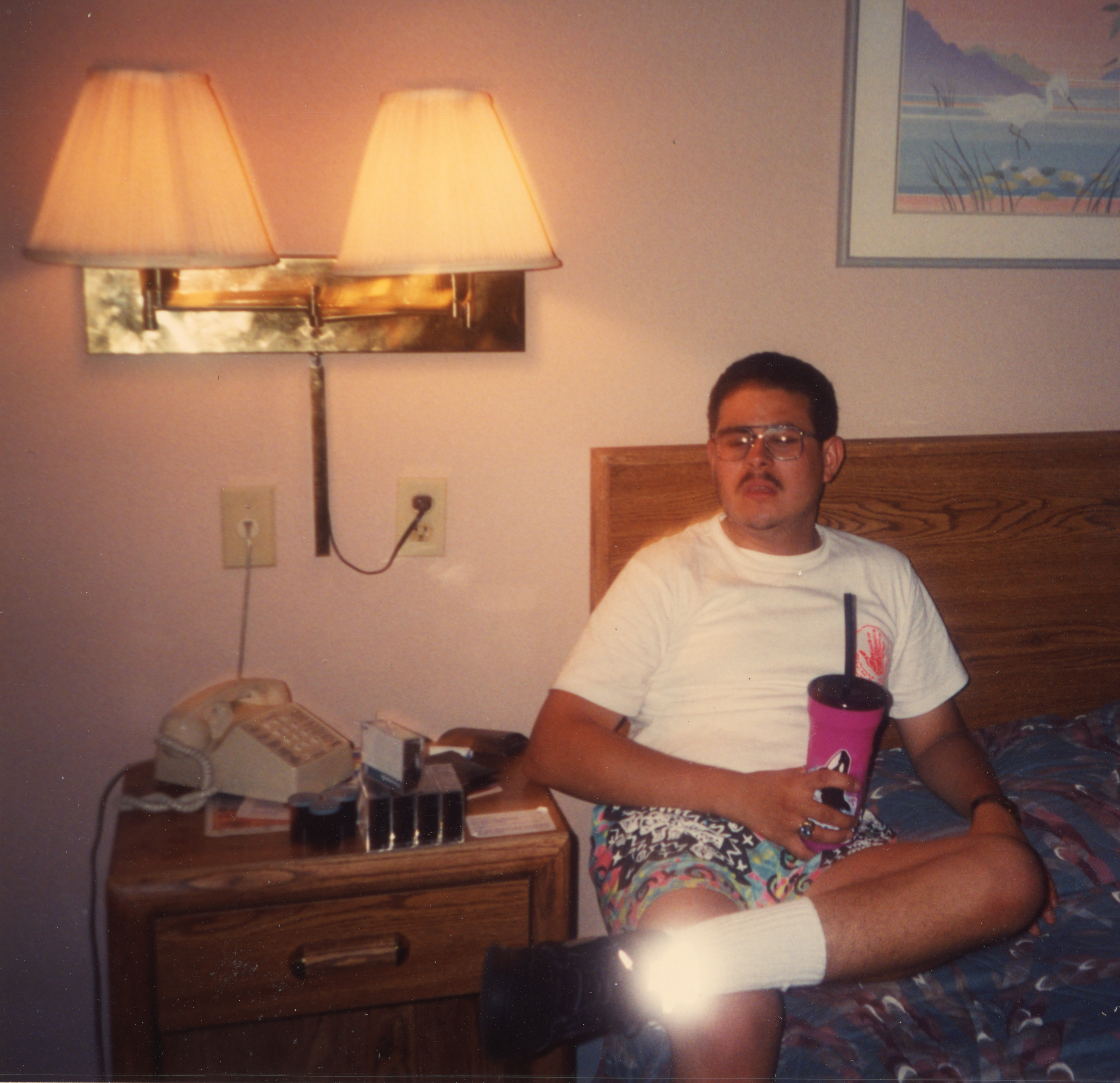
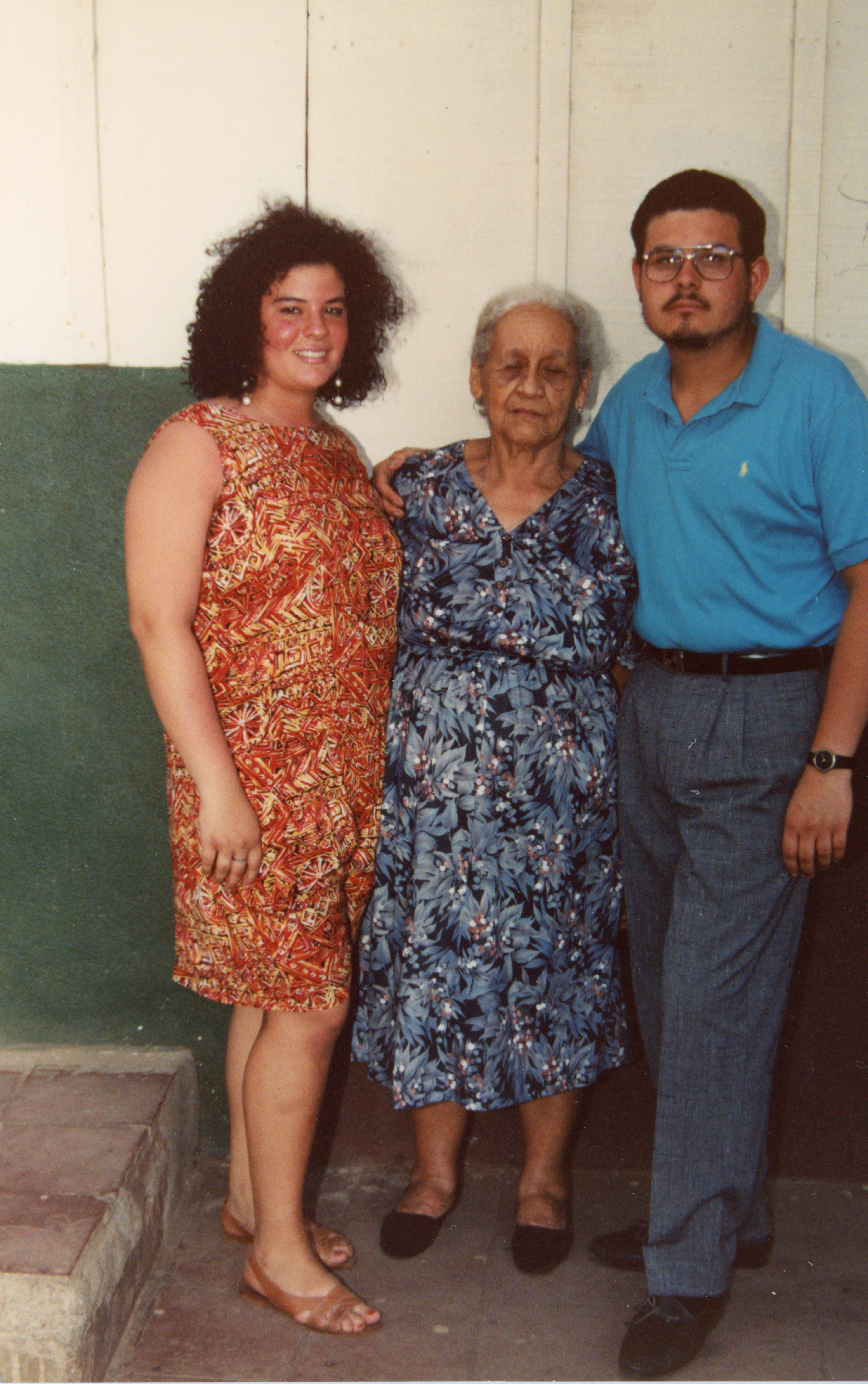
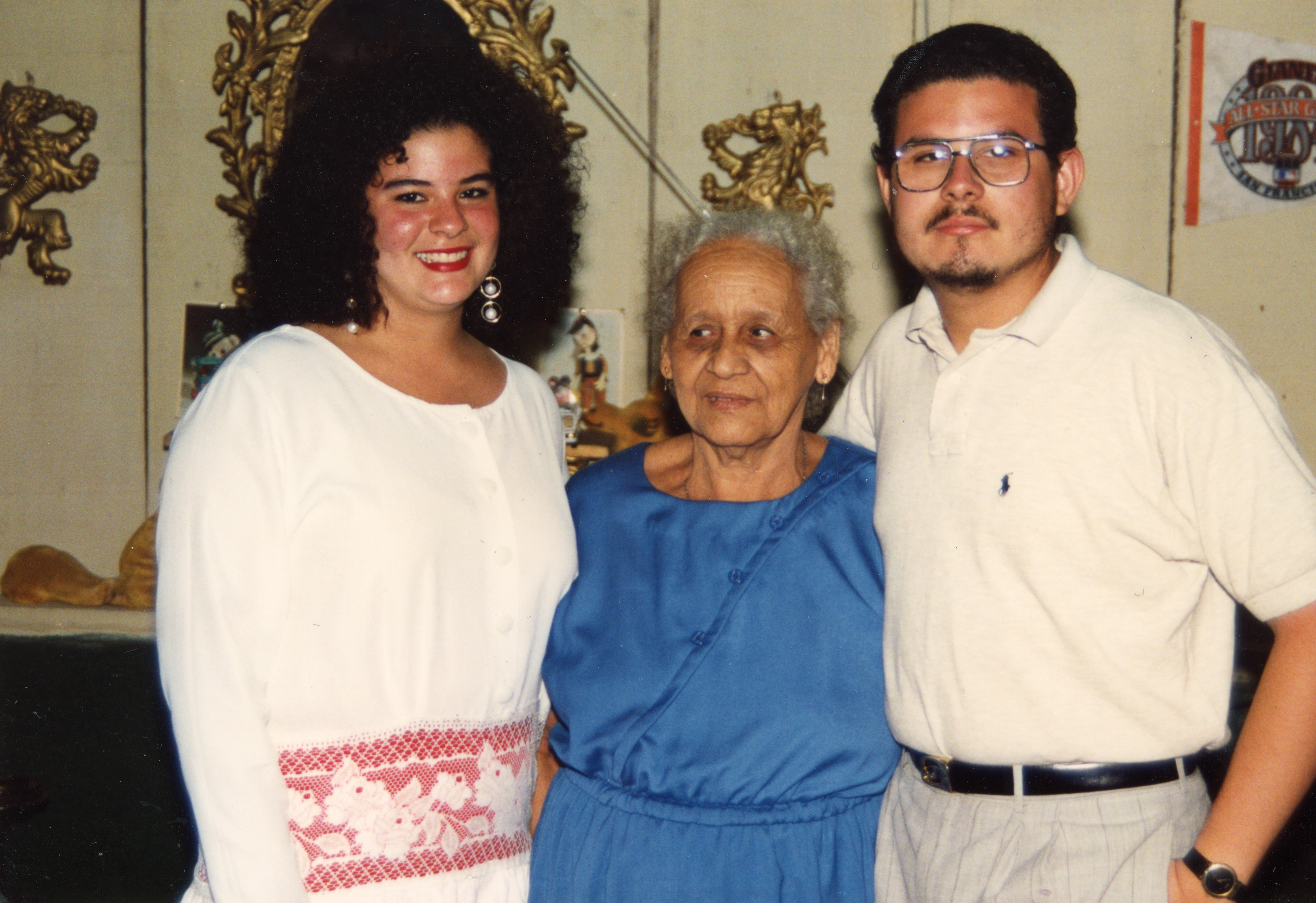
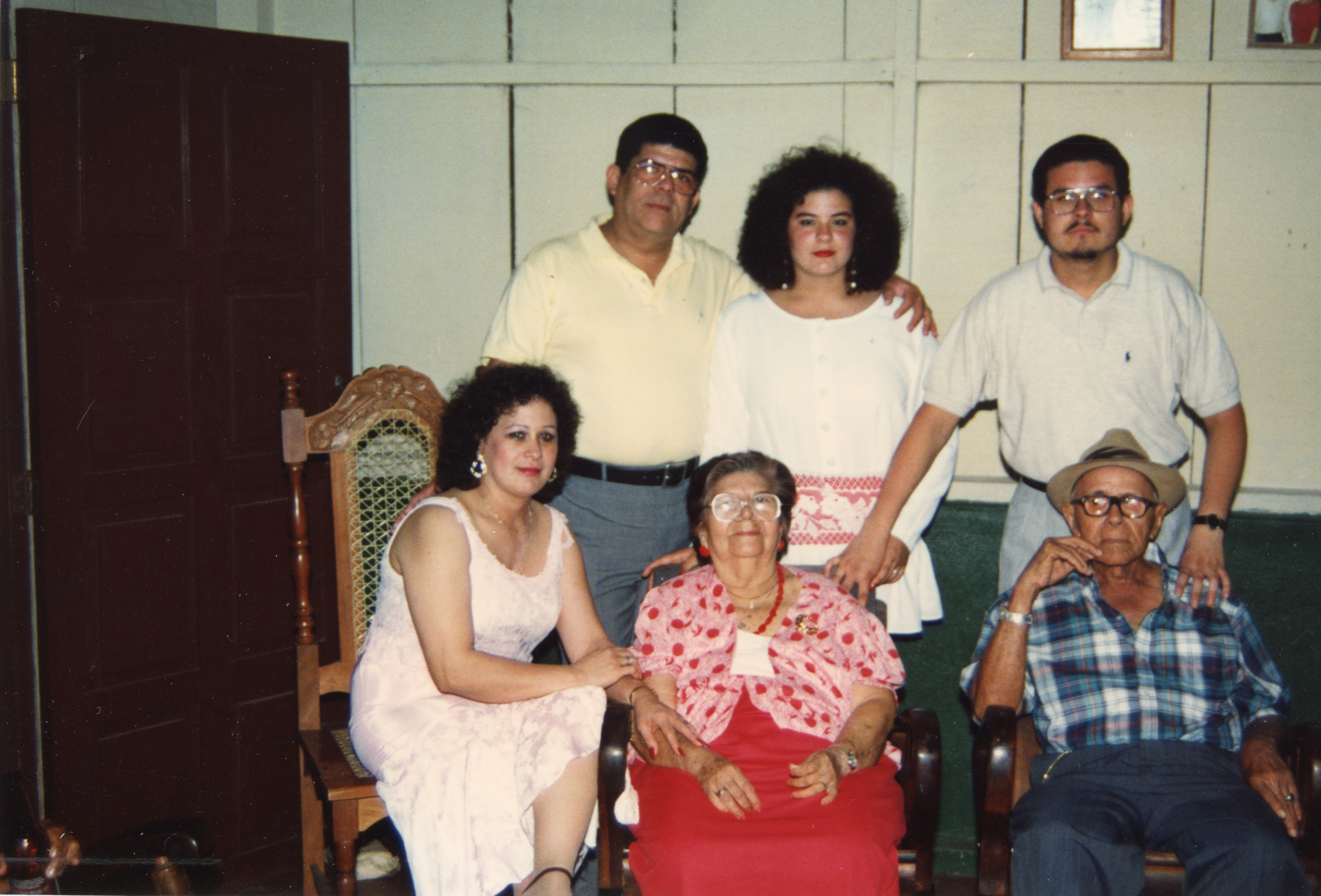
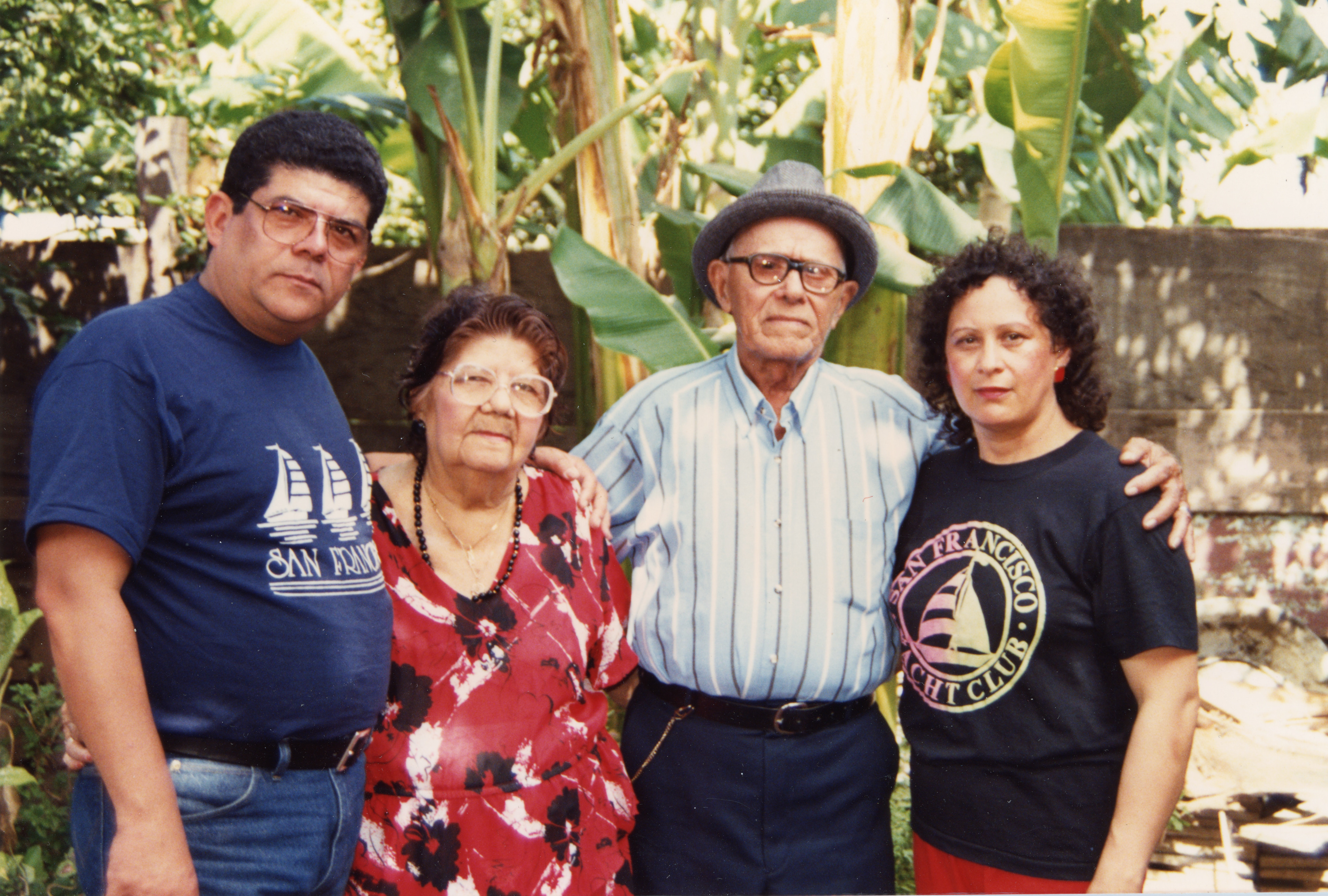
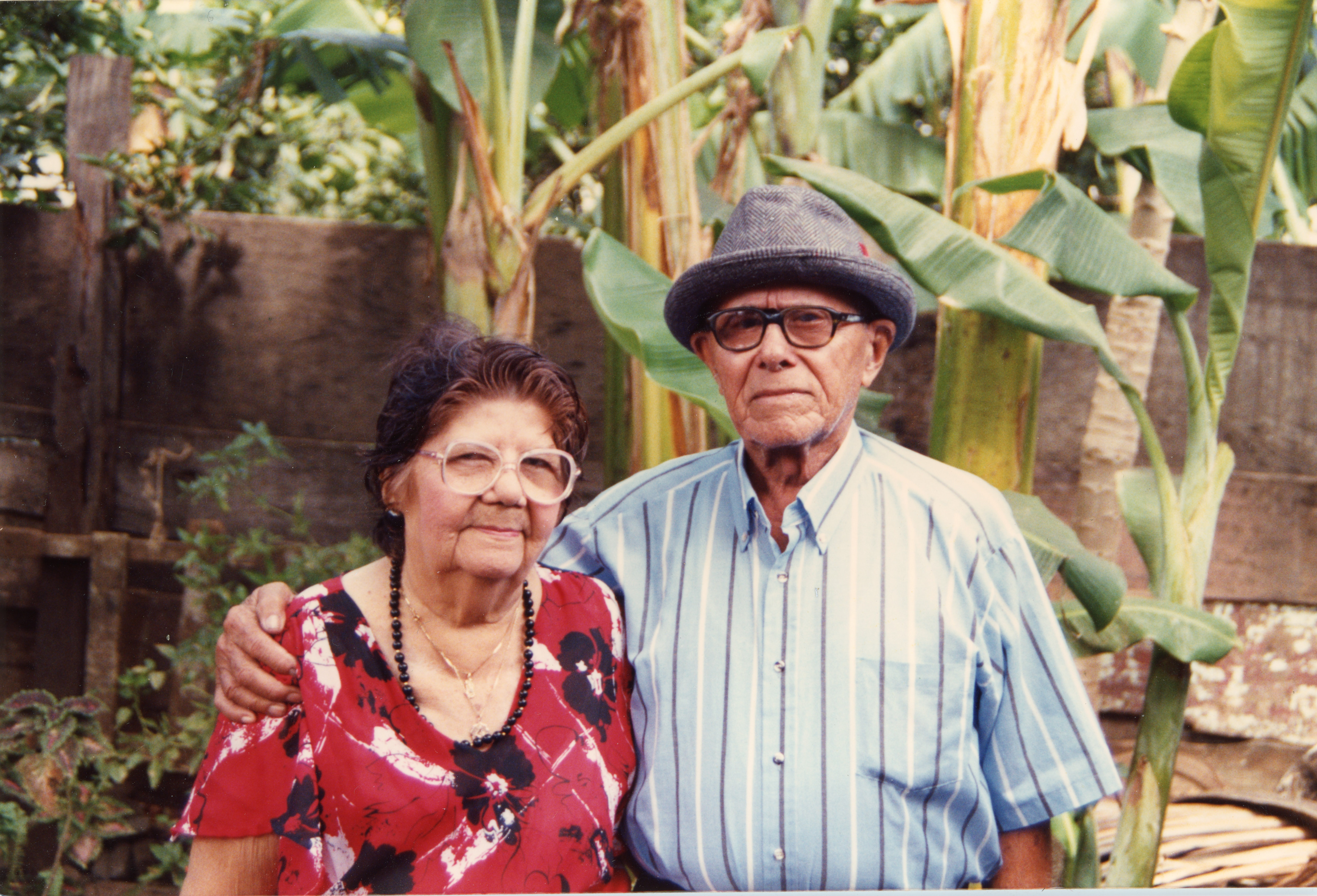
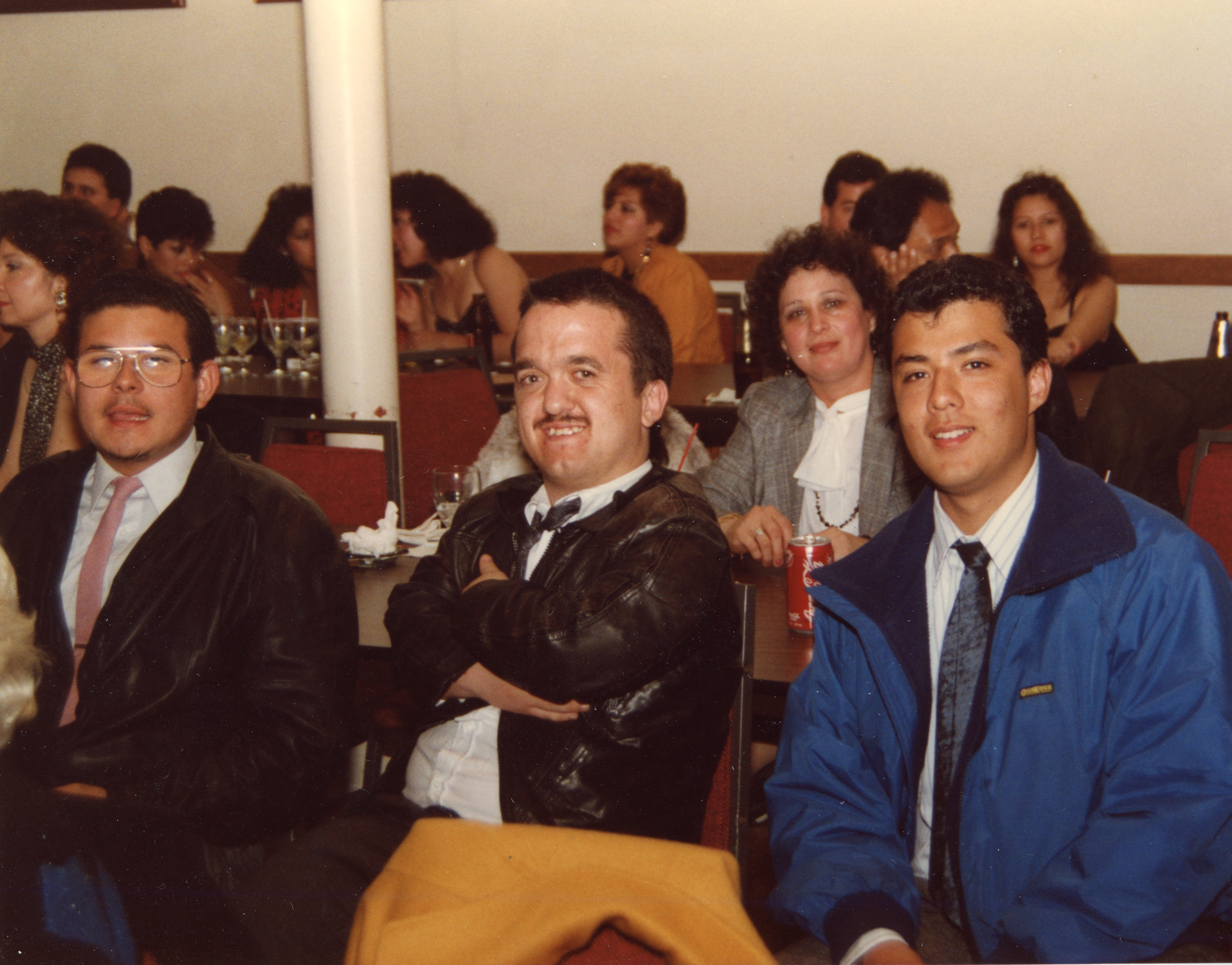
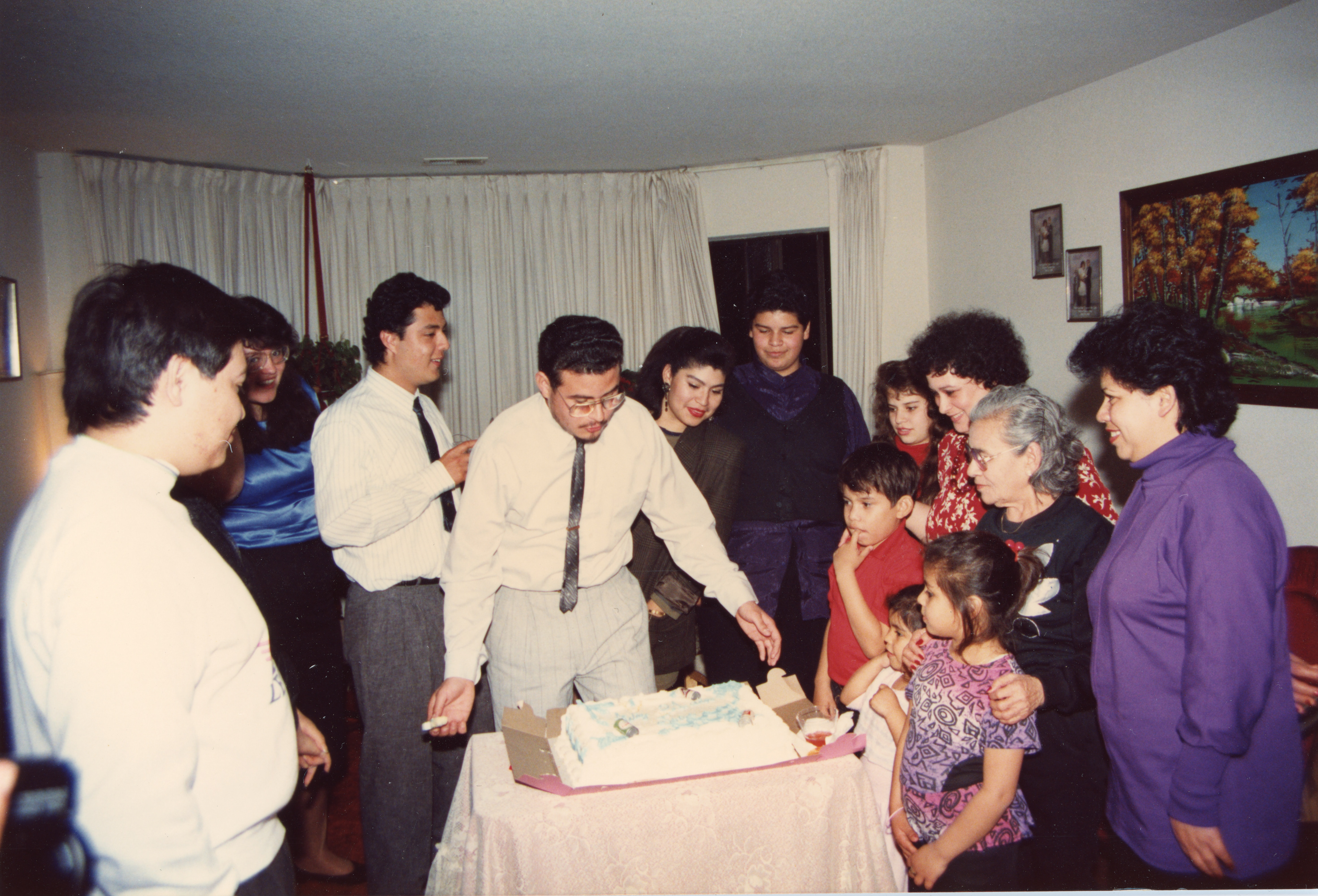
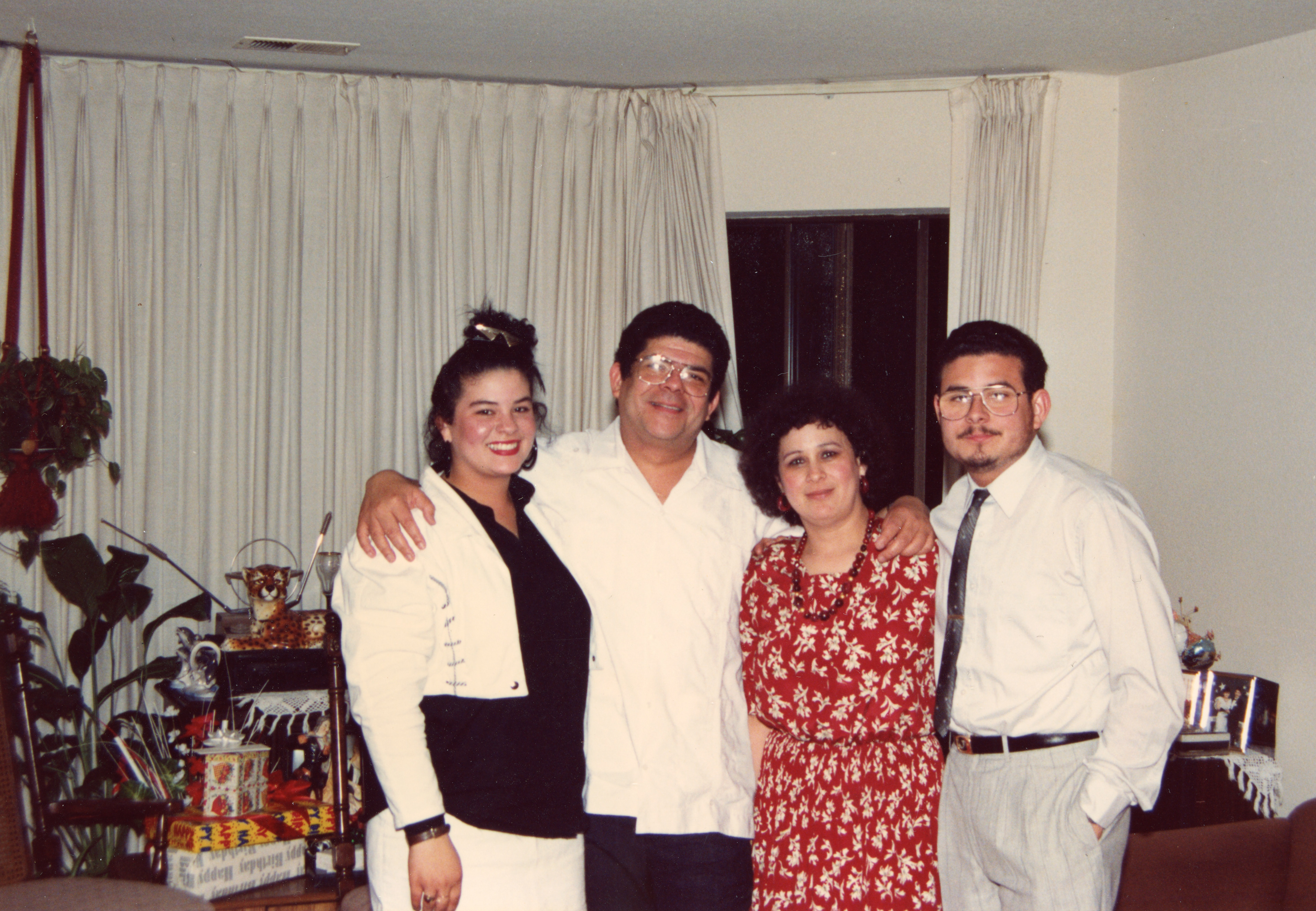
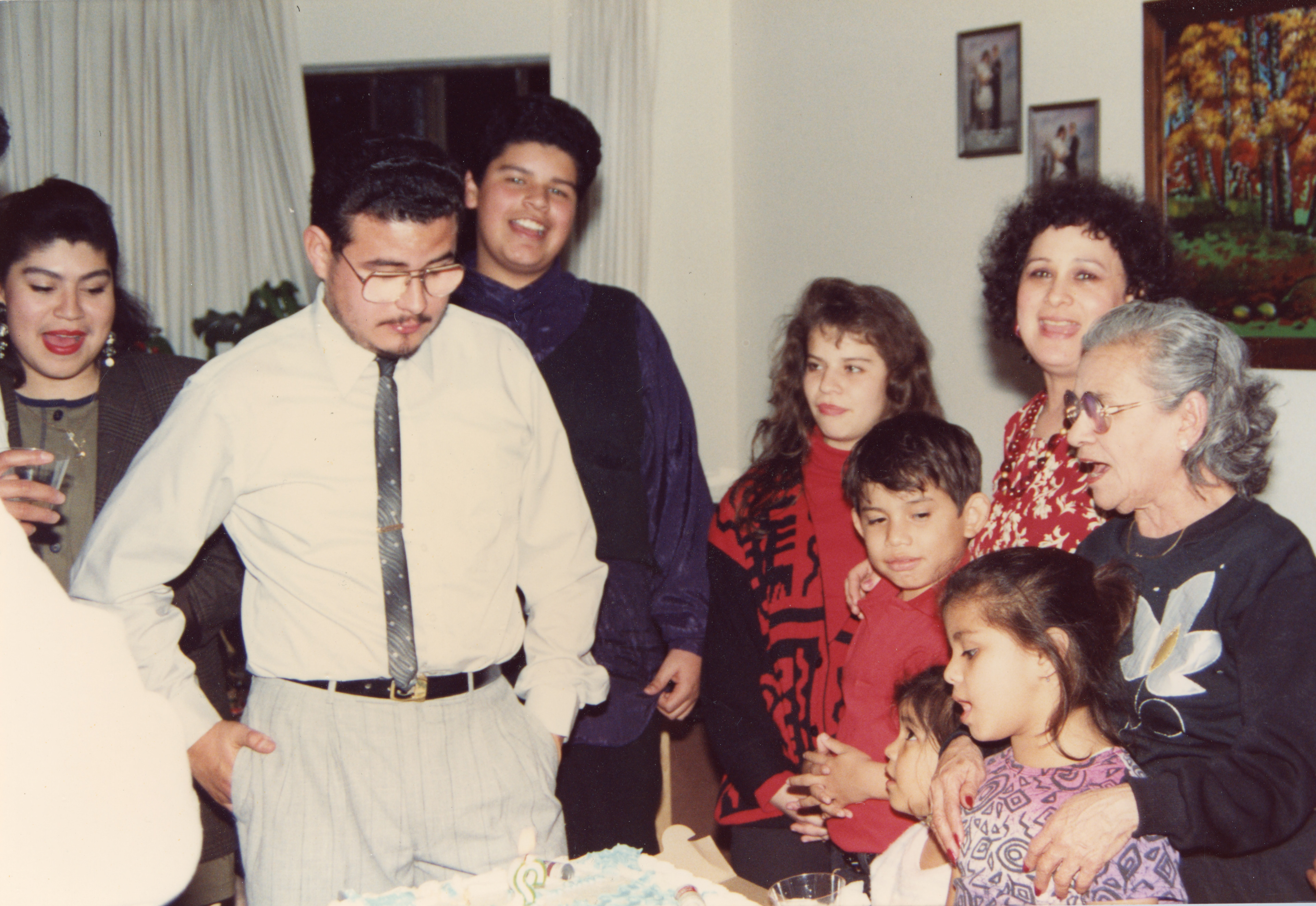
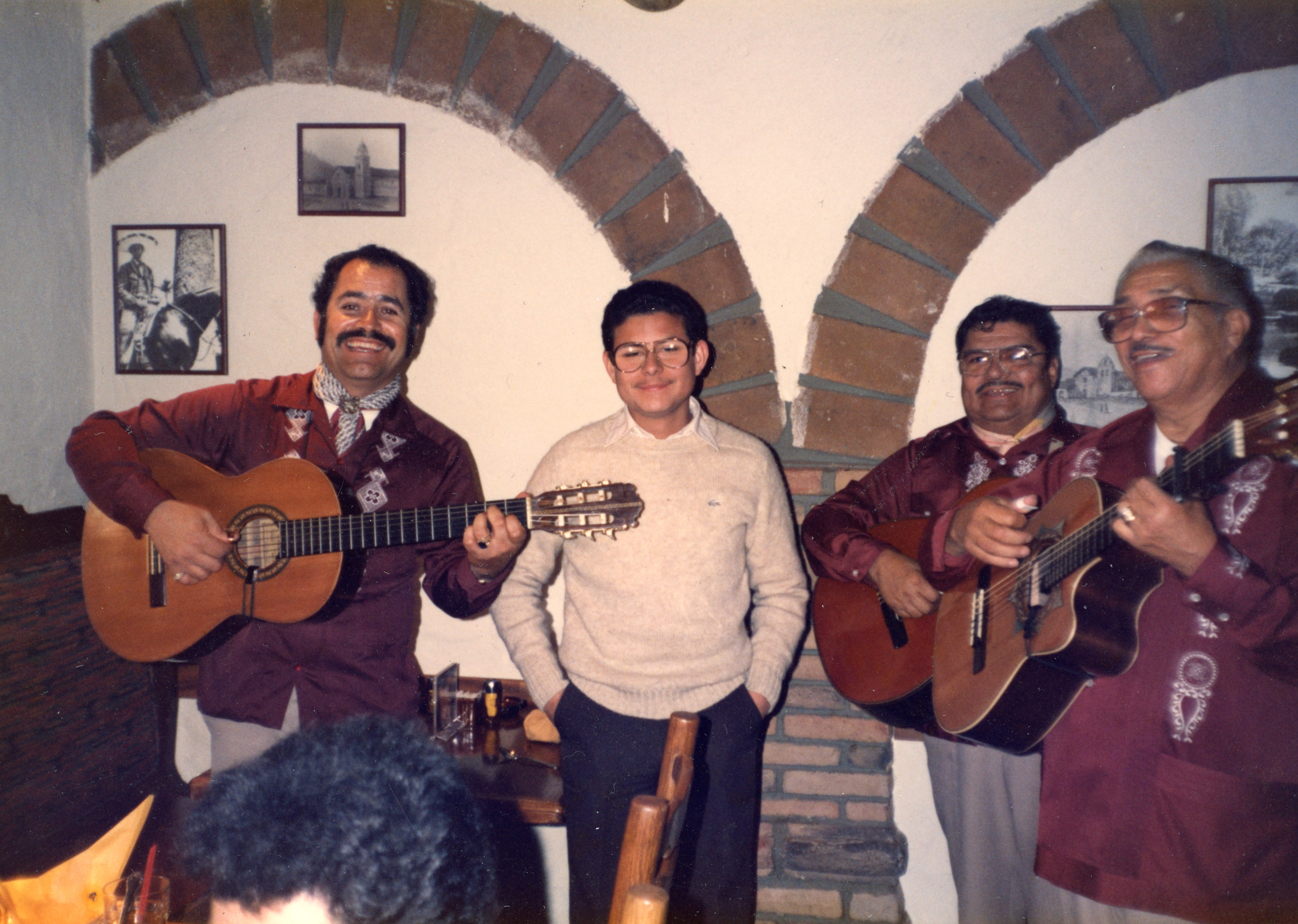
Through this archive, I was able to learn how building a digital archive allows for memory to persist through generations. Analog photography remains limited to view due to the physicality of the image. Digitizing my dad’s physical photos now allows my family to view them whenever, wherever, and allows my parents to share photos instantly in high definition to our family in Nicaragua. I say high definition because digitizing these photos with an Epson scanner came out in higher quality rather than snapping a picture with a phone and sending via text message, which is what many of my family members did when I asked them for photos for this project. The only downside to this however was the fact that the only access I had to an Epson photo scanner was through borrowing my friend’s student ID to get into Pomona’s photo lab, since she’s in a photography class at Pomona this semester (Spring 2026). Additionally, I was able to back up the memory of these photos since I was fortunate enough to already own a 2 terabyte external drive, which becomes costly as the amount of storage necessary increases. Being at an institution has given me the privilege to the right resources to be able to digitize and document my family’s history, however access to resources and economic constraints provides another reason as to why many families in marginalized communities aren’t able to digitize and back up their photos—with the degradation of the physical image comes the erasure of cultural history.
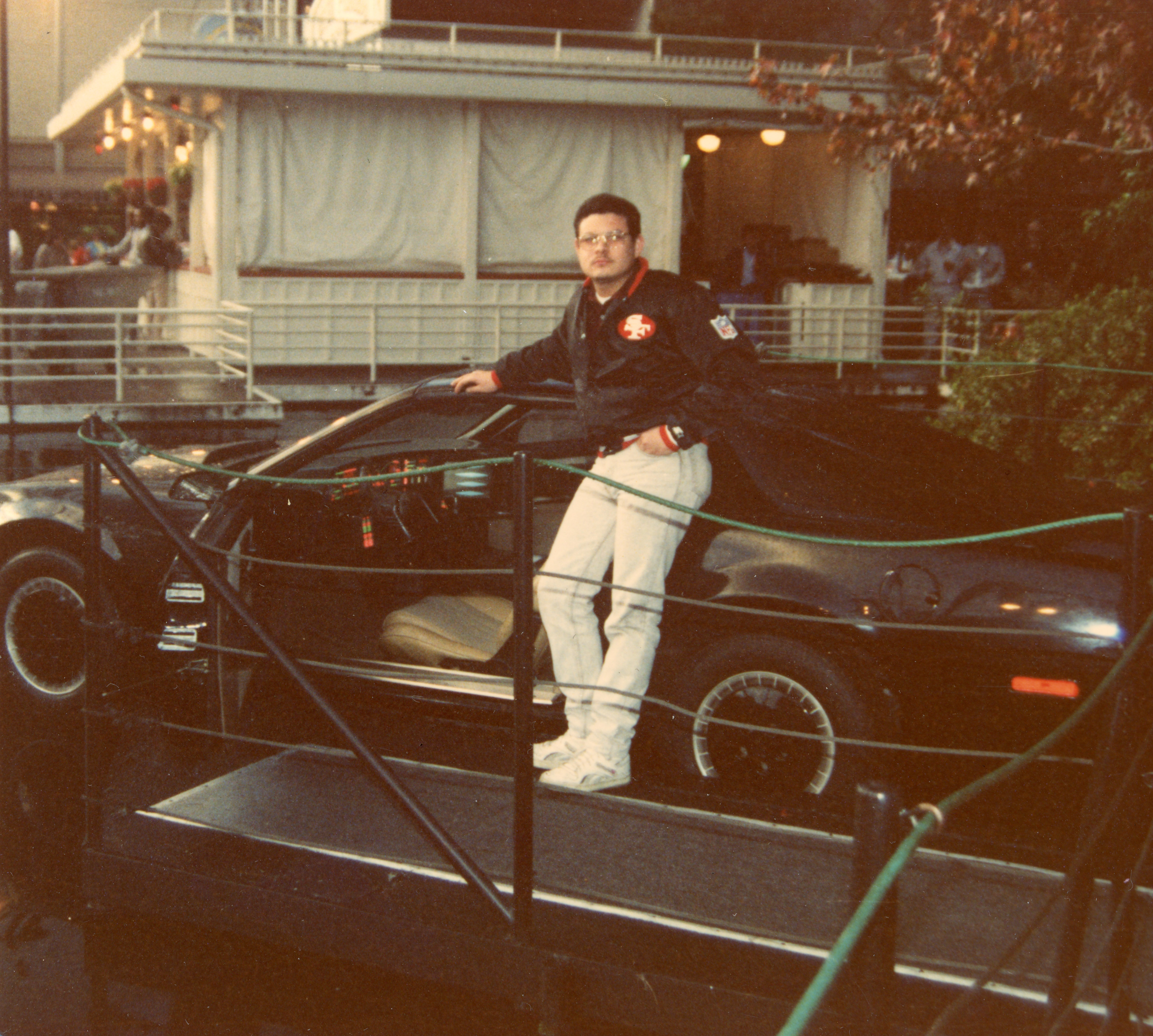
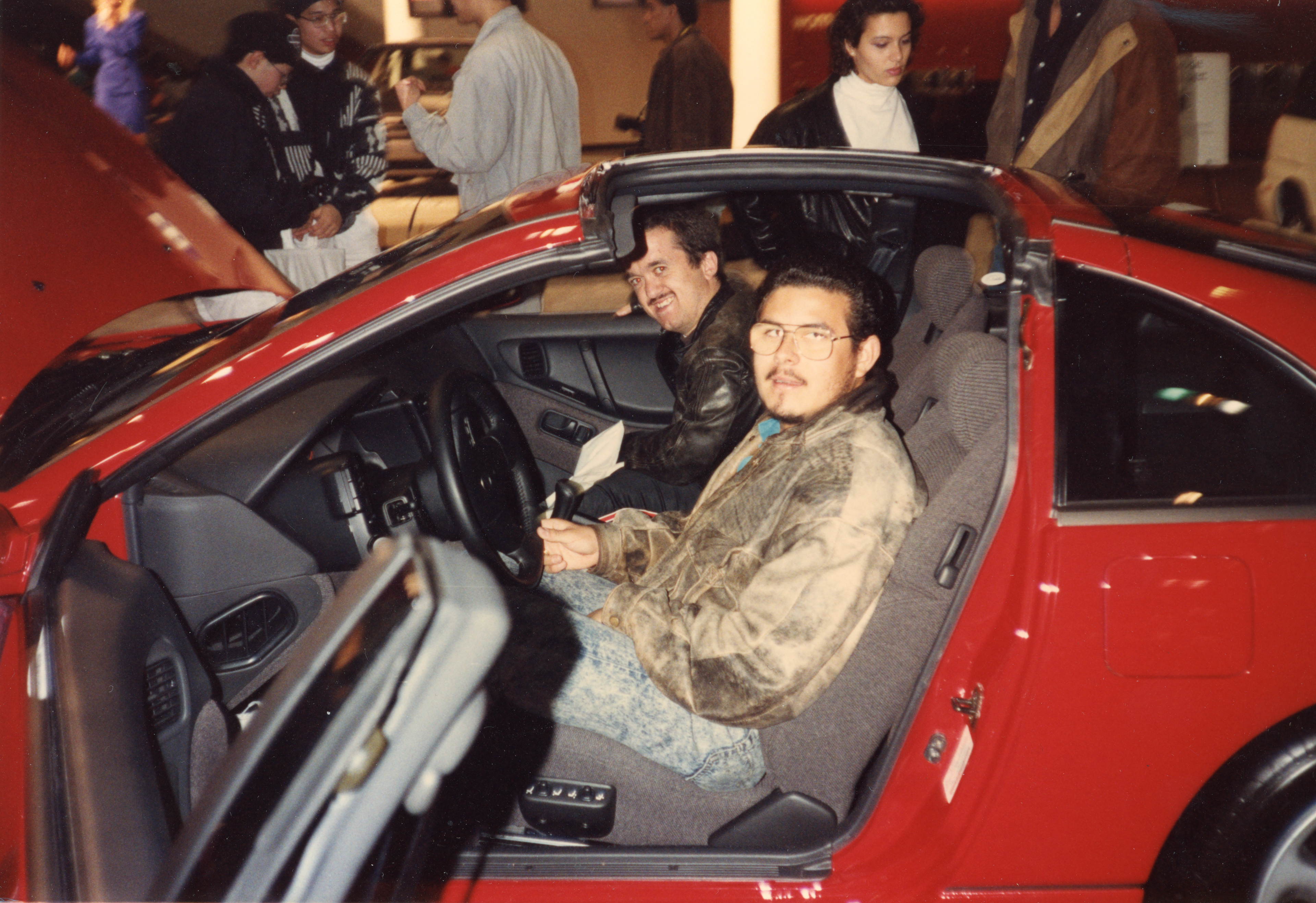
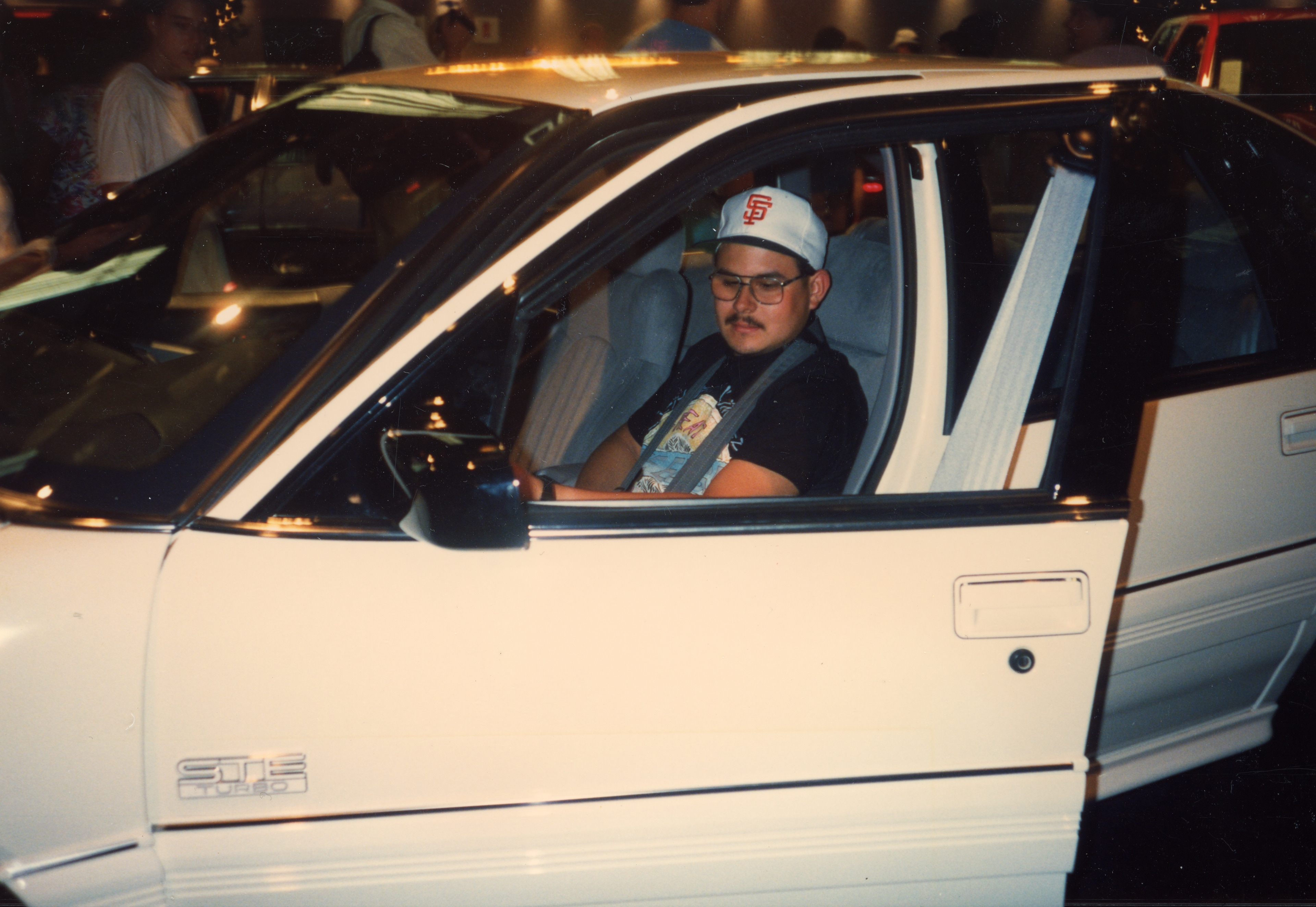
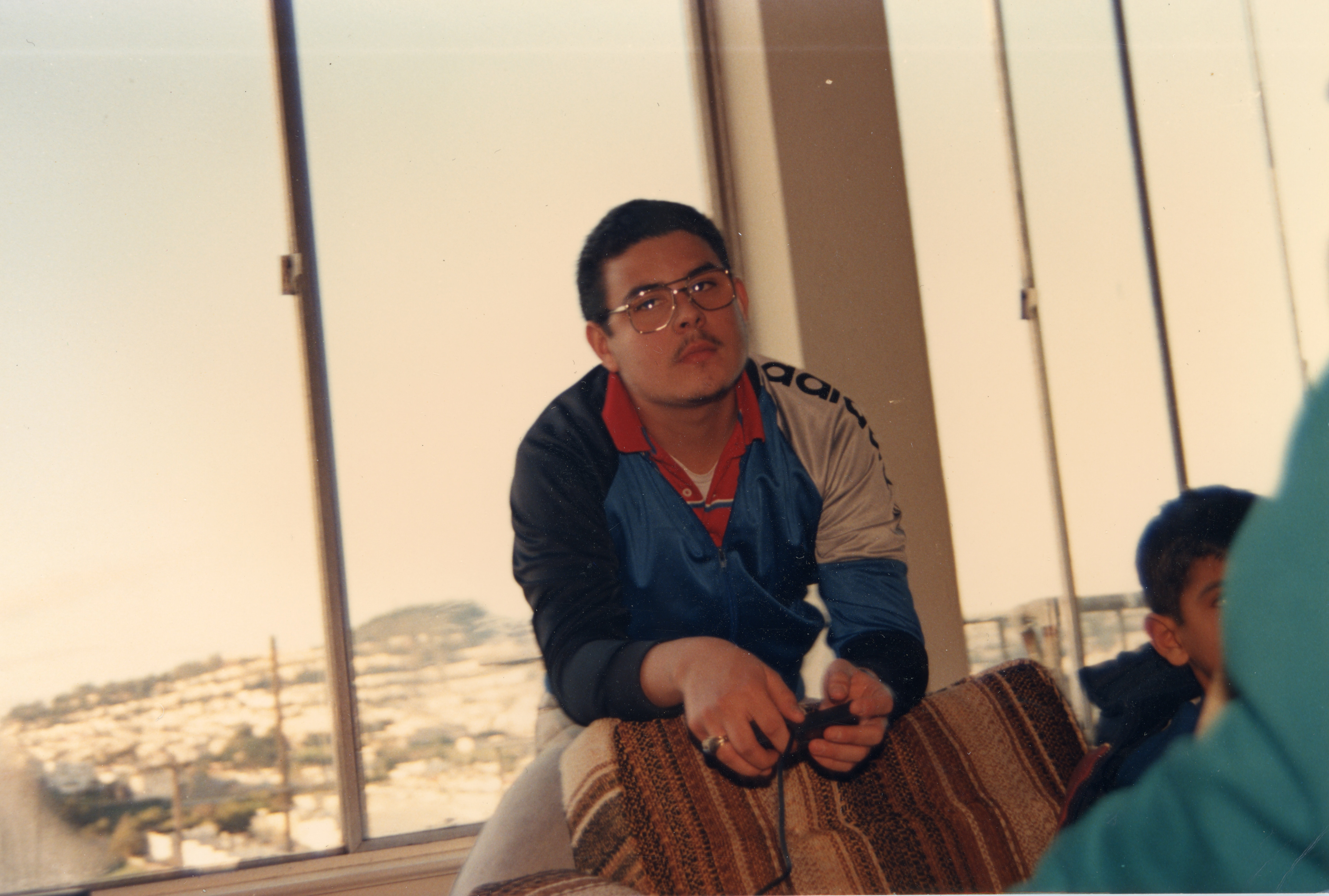
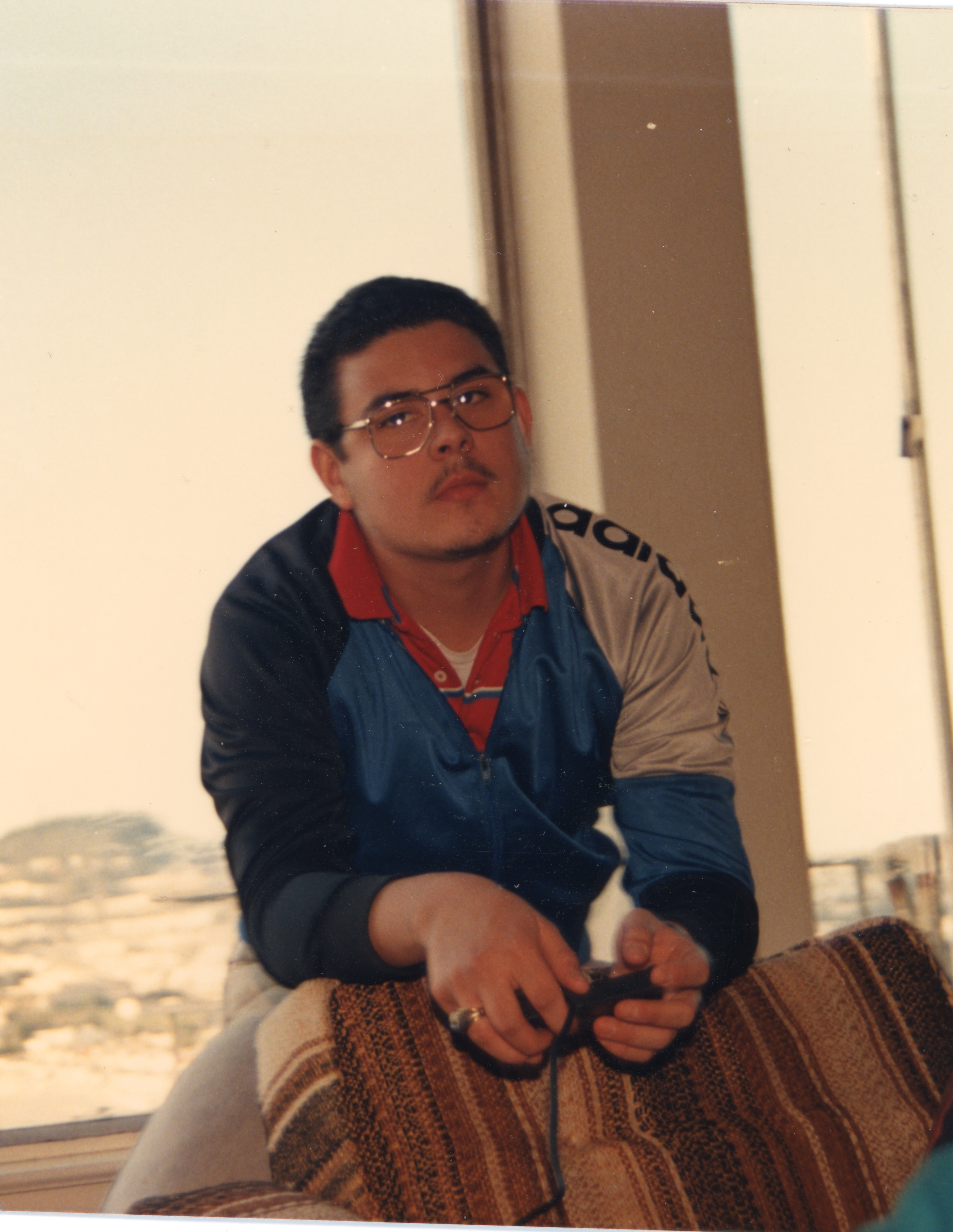
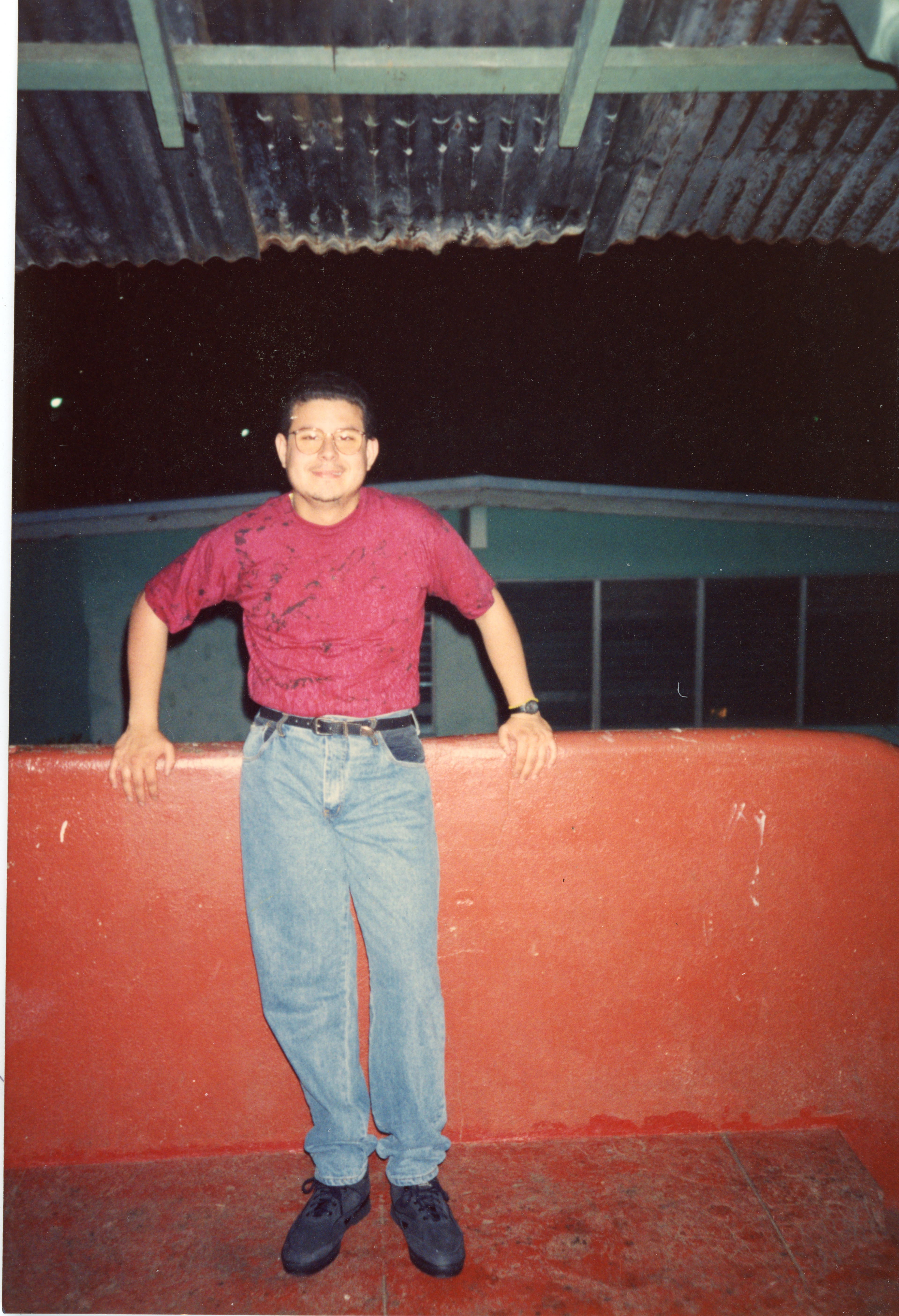
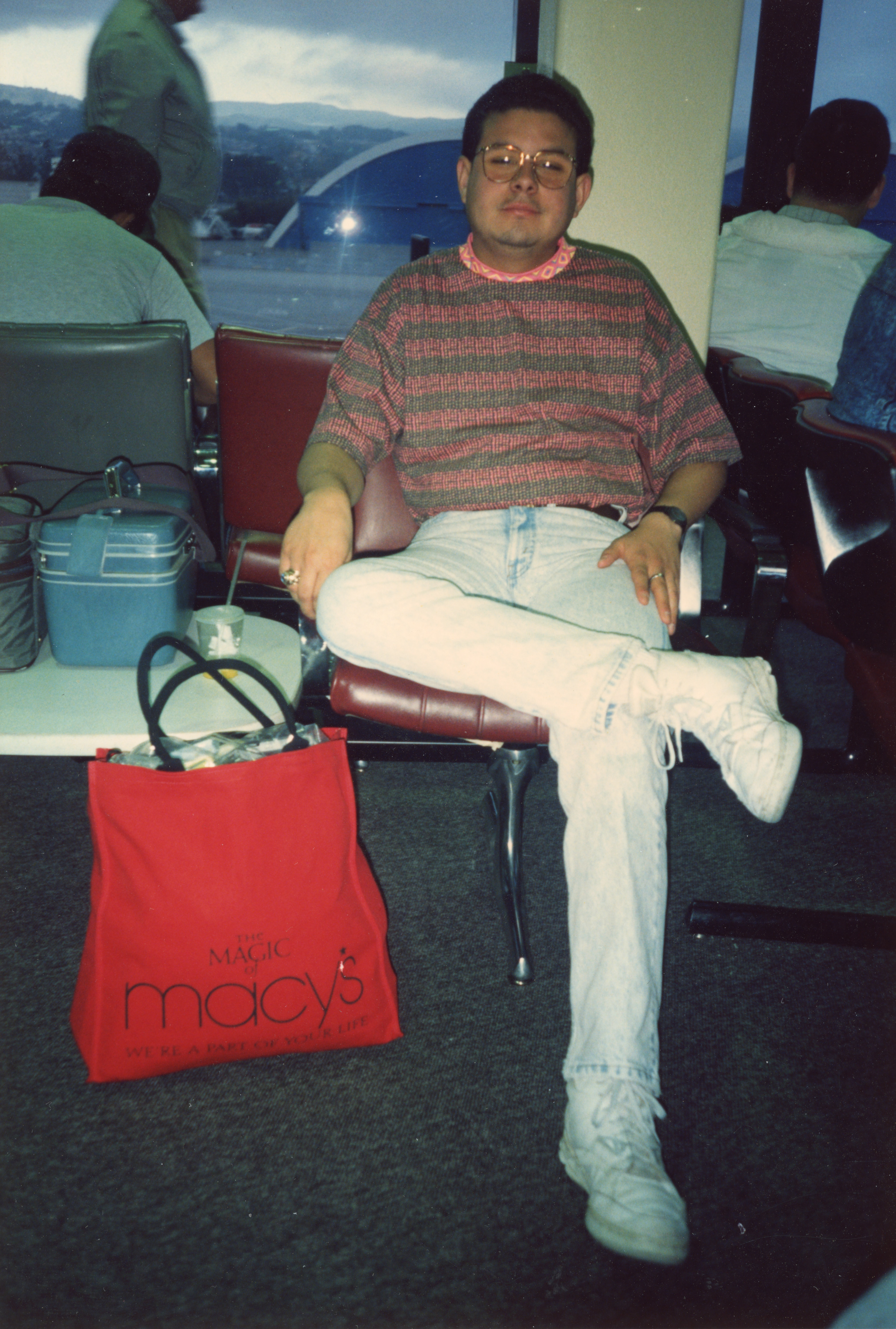
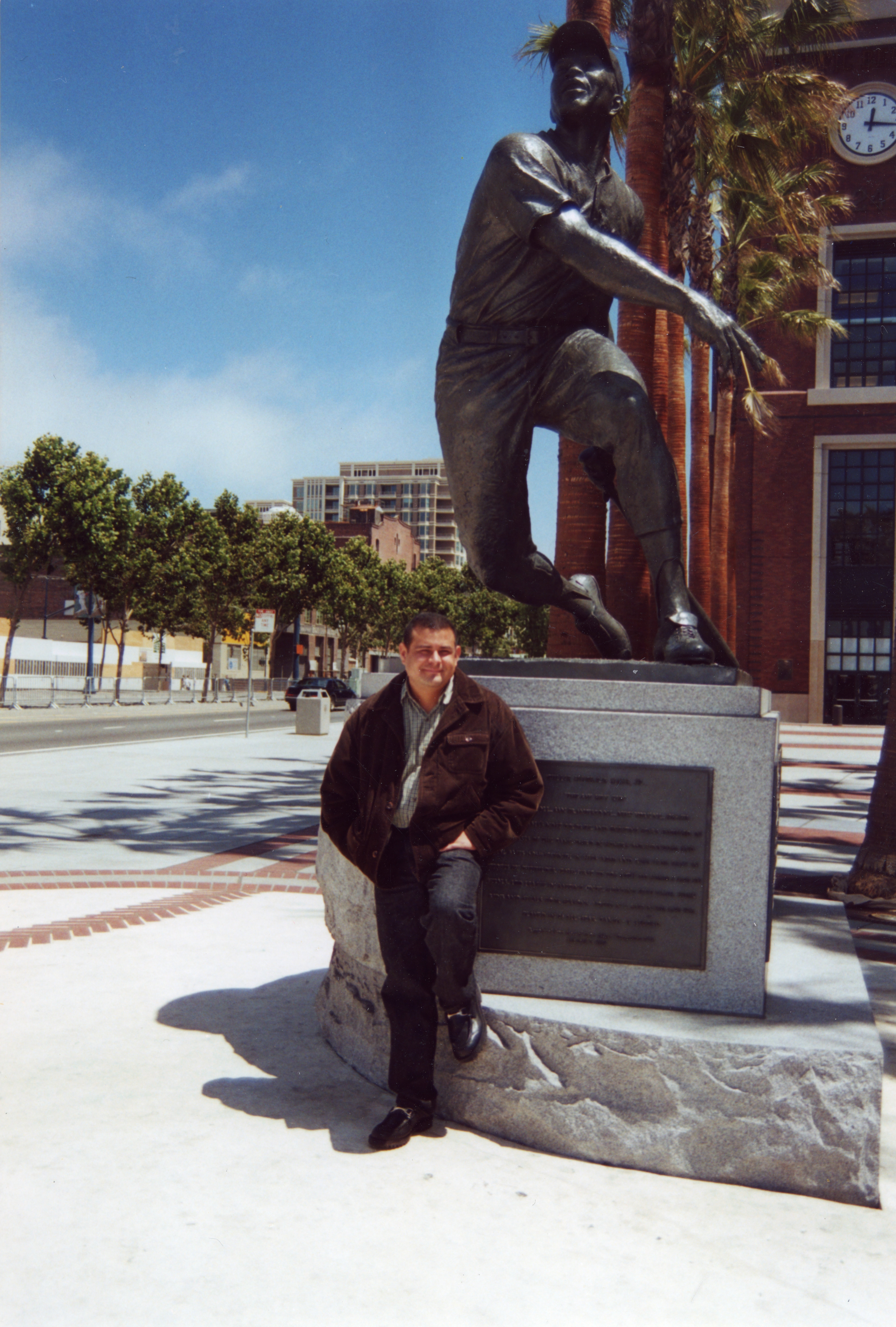
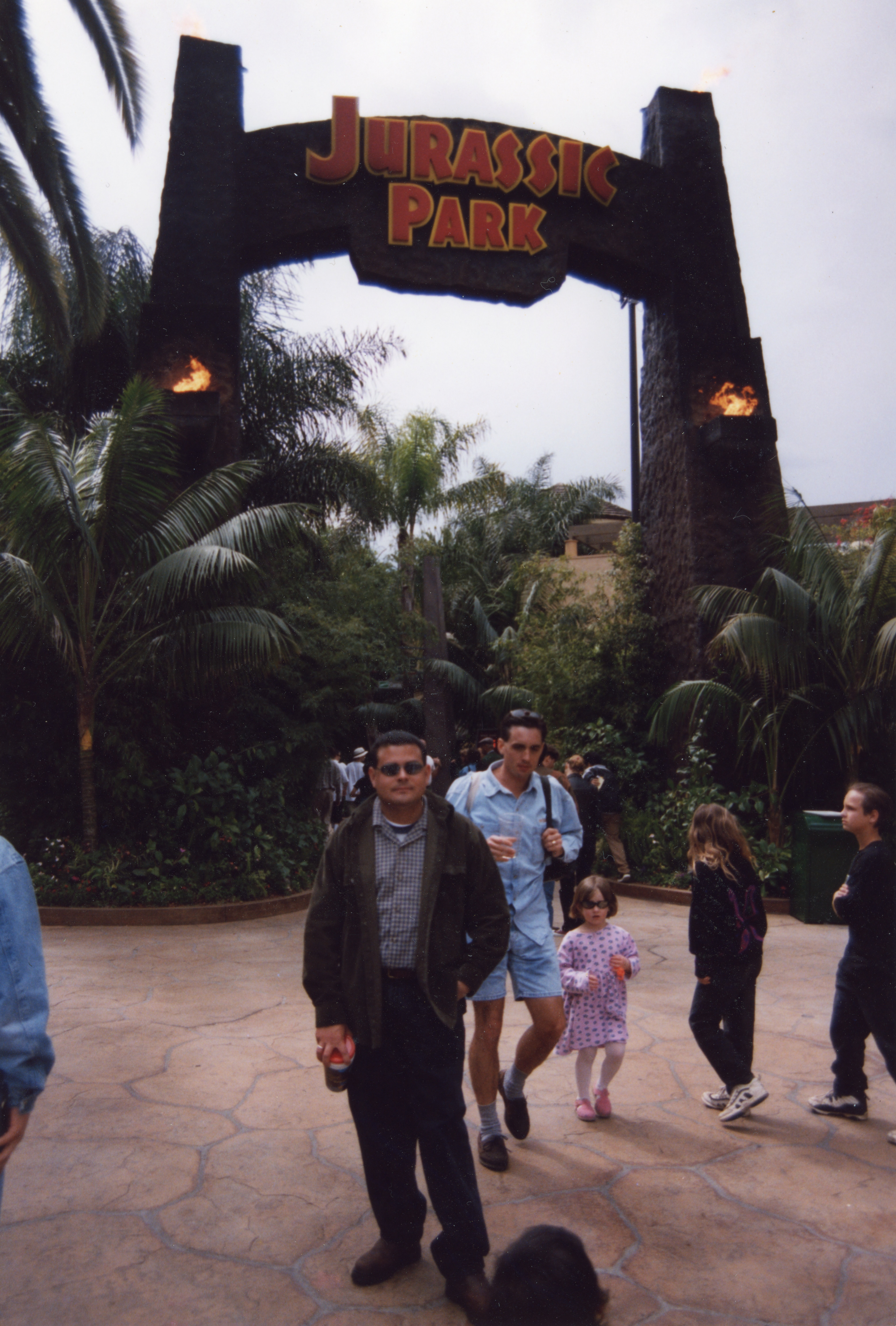
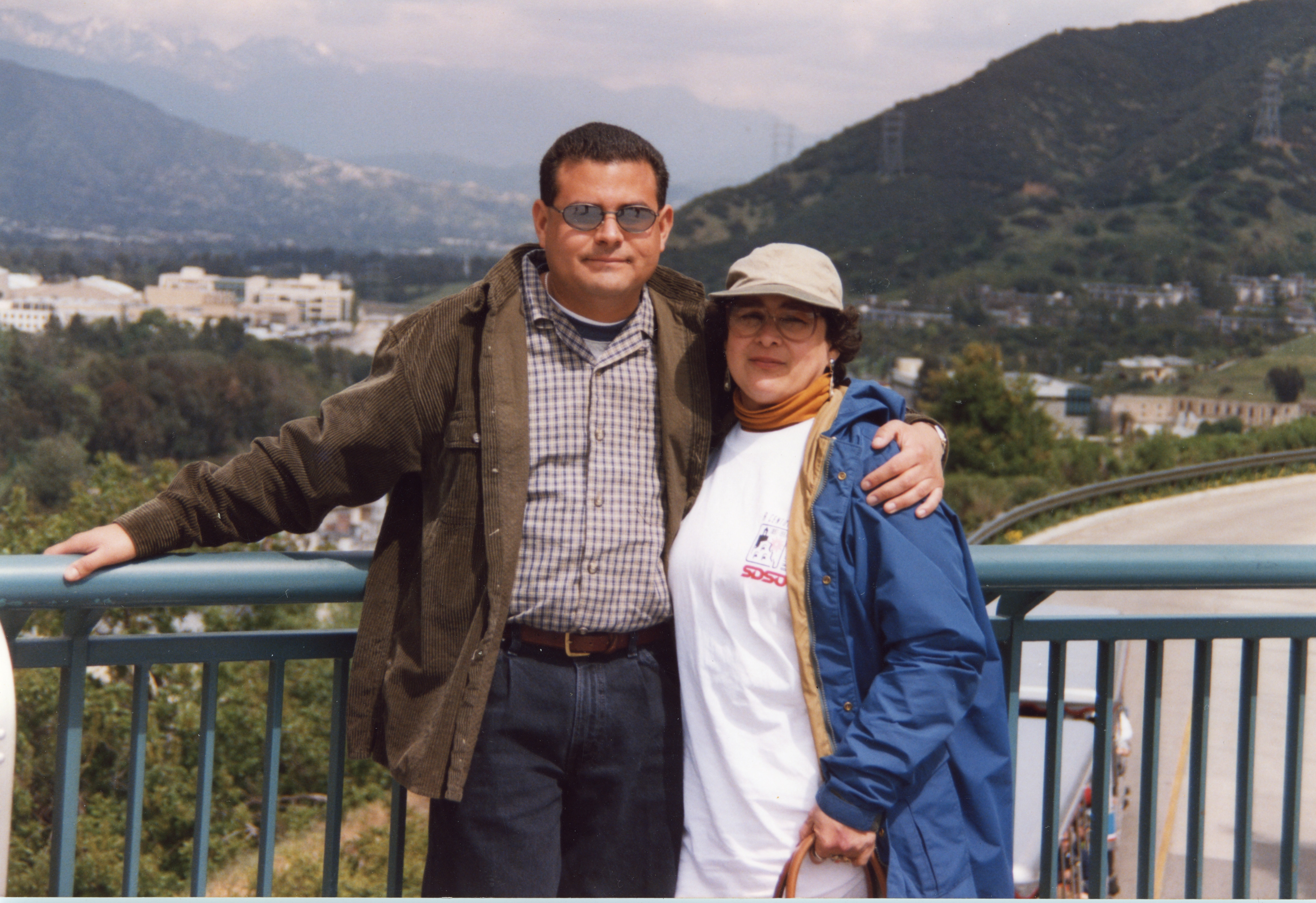
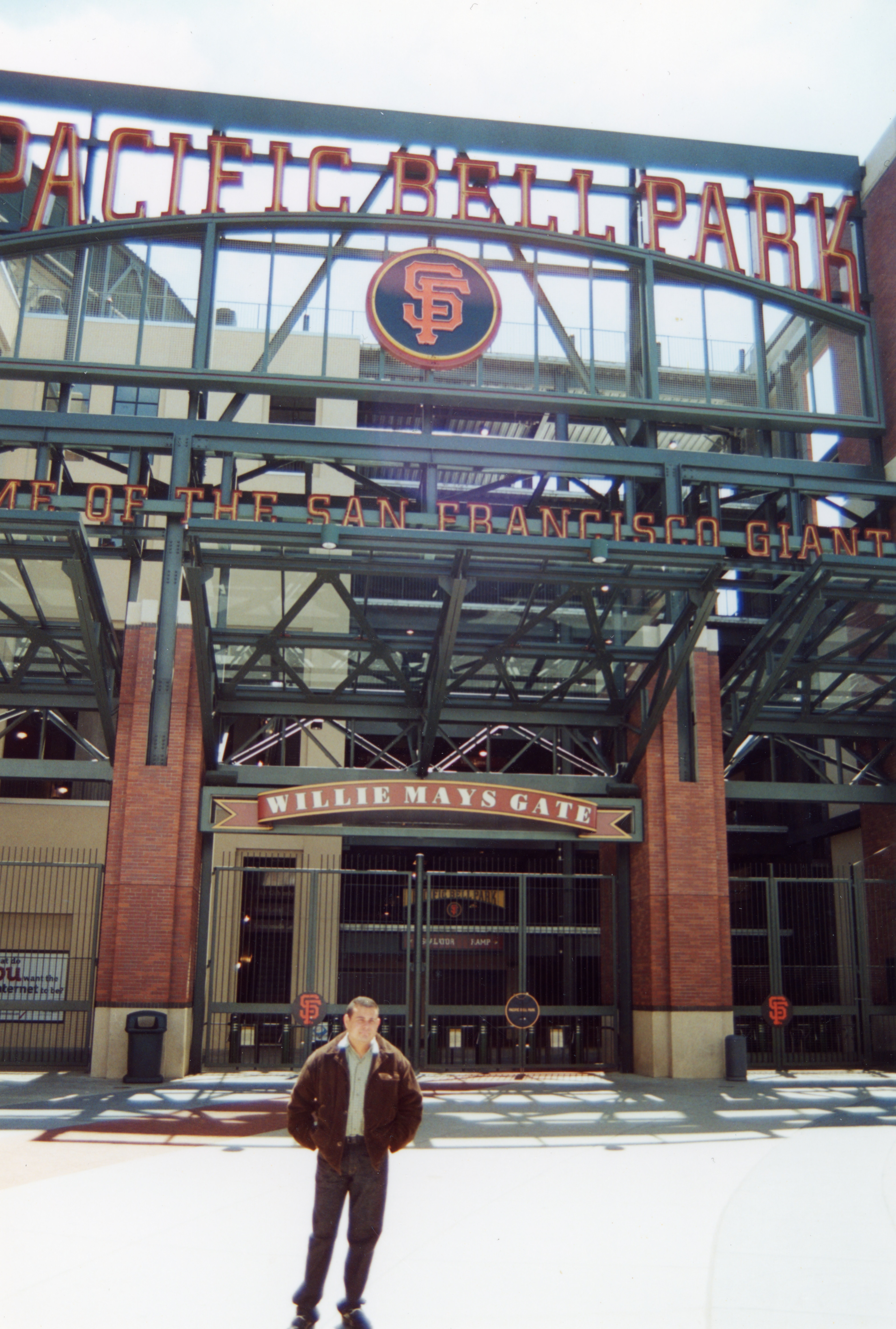
There are aspects of analog photography that remain unarchiveable, such as the physicality of the image. Just as a physical photograph portrays an indexical relationship to a certain memory in time, the digitization of a physical photograph portrays an indexical relationship to the physical existence of that photo. Viewing the photo physically vs. digitally brings two different experiences.
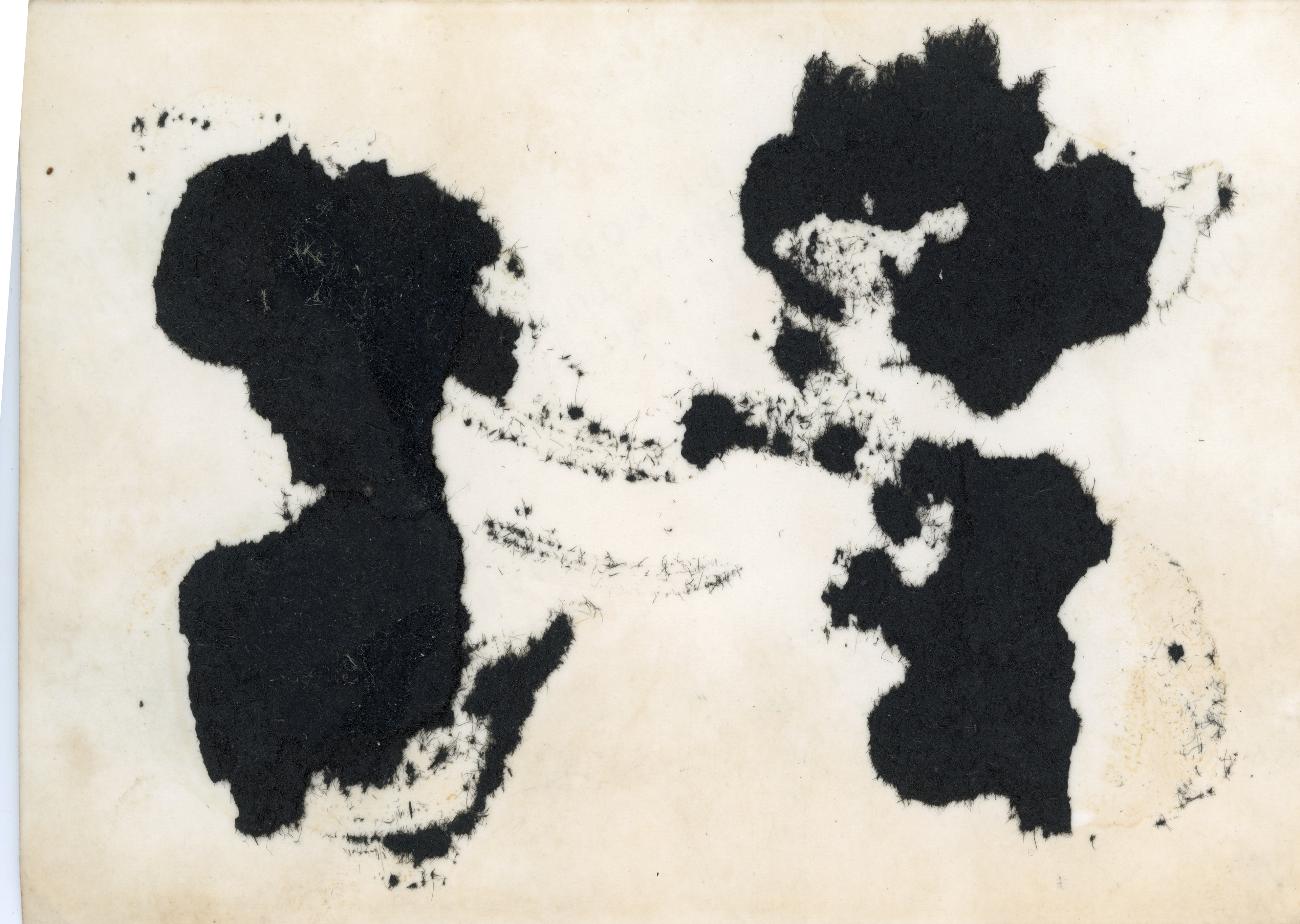
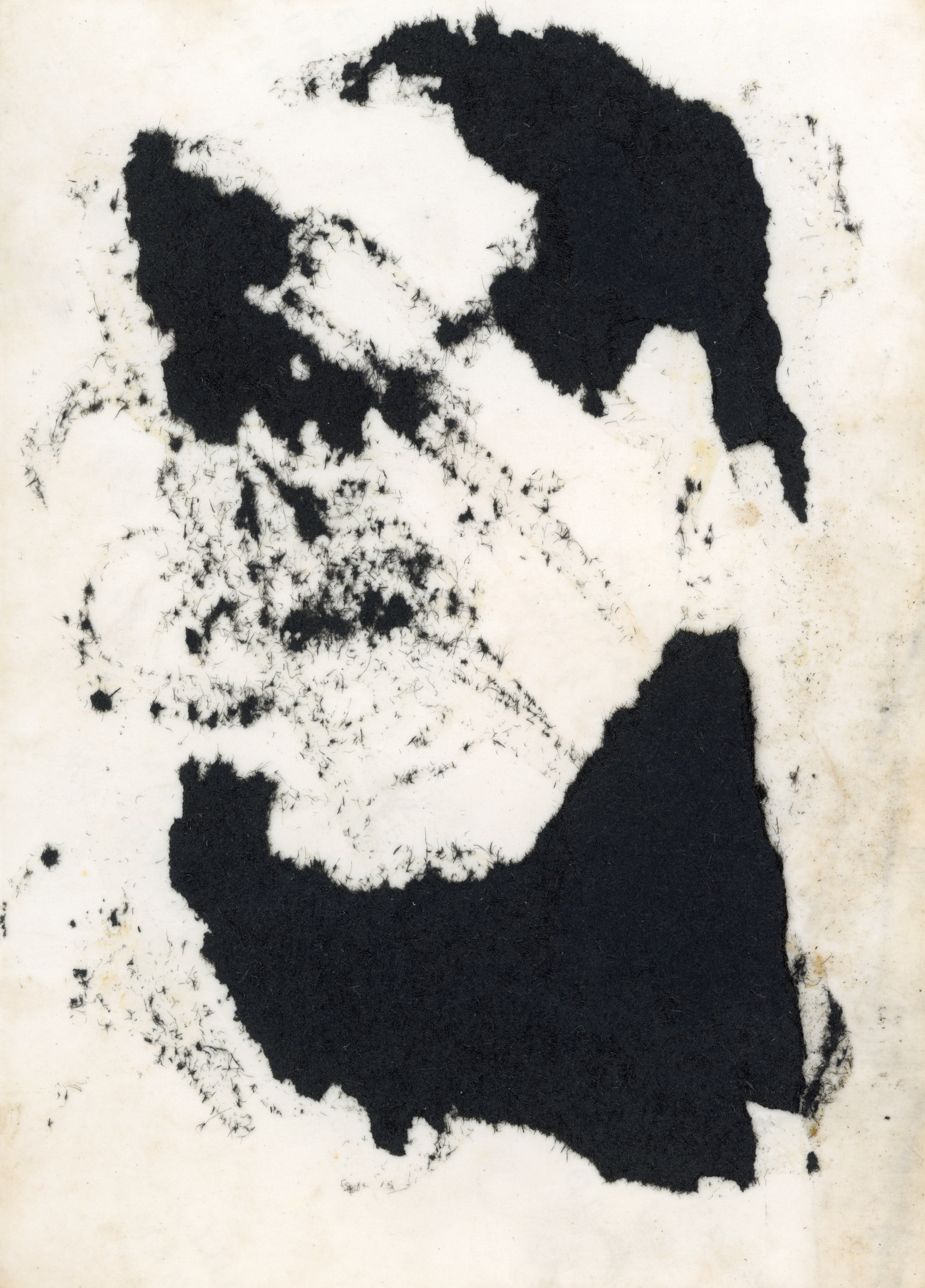
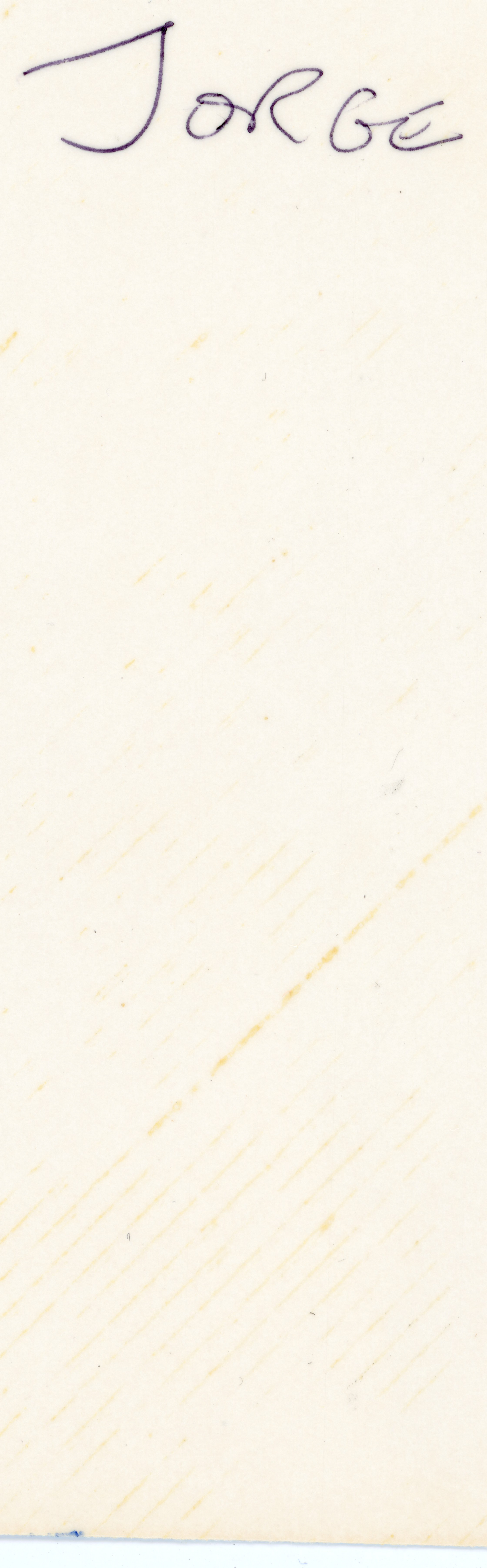
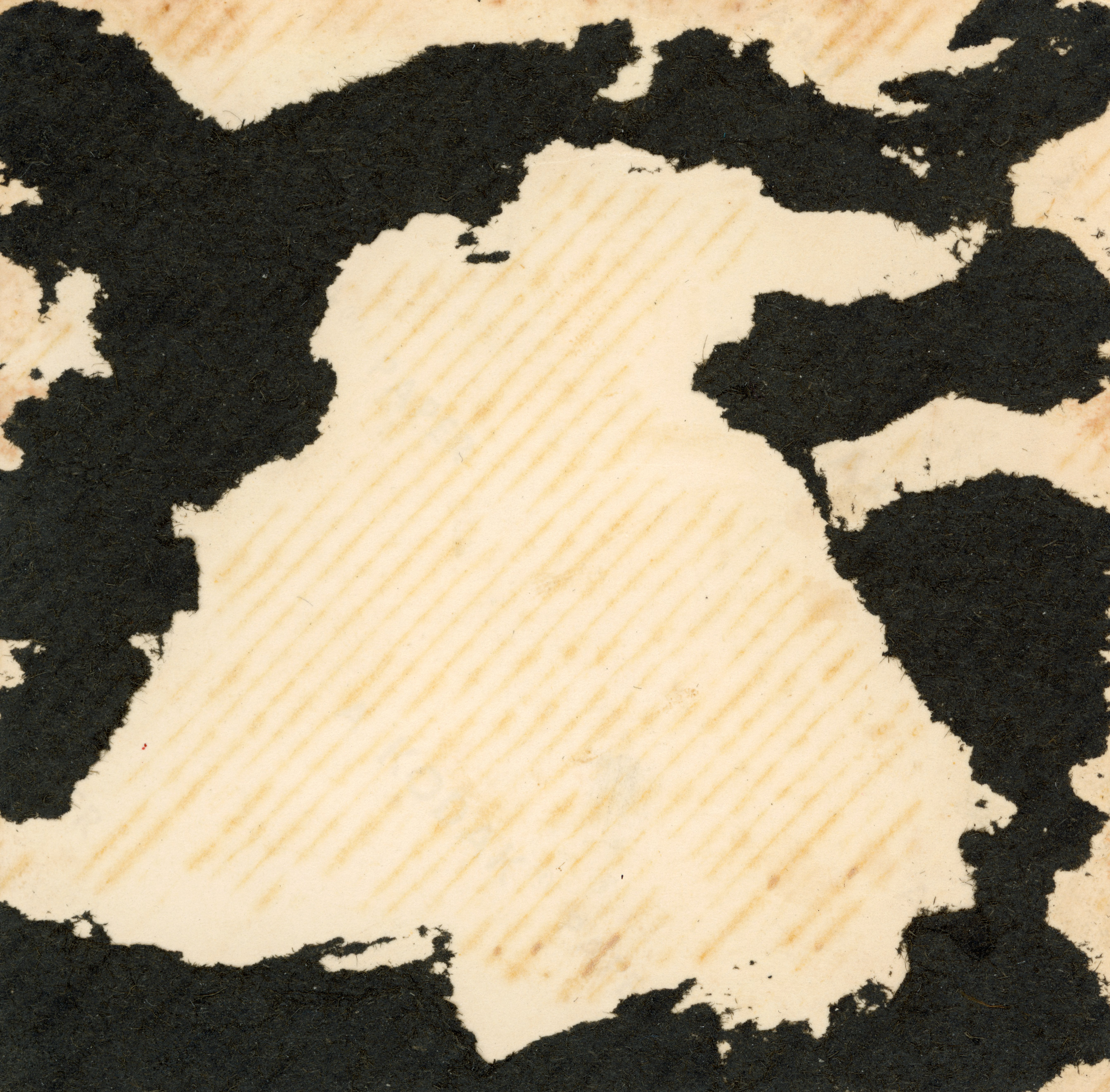
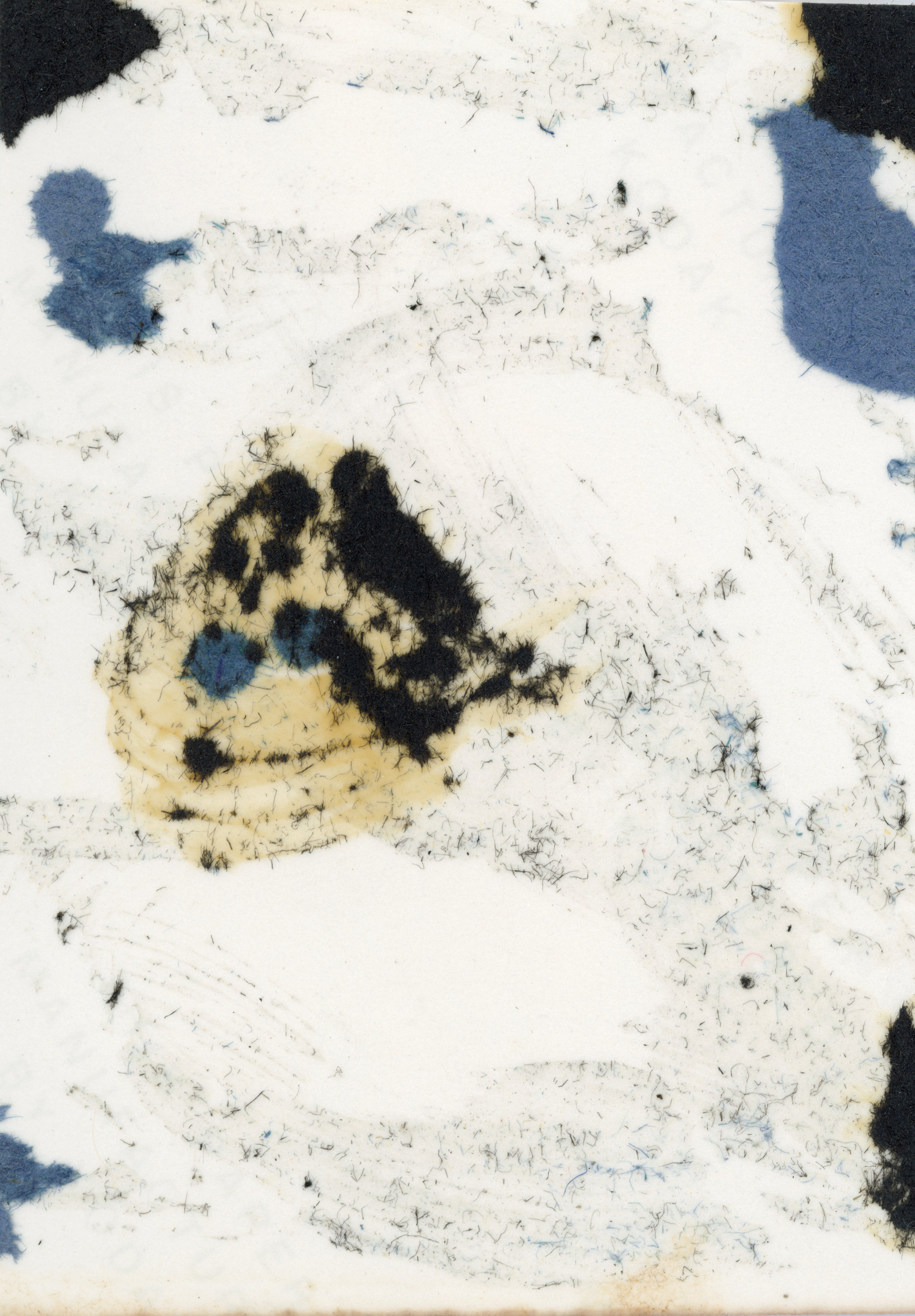
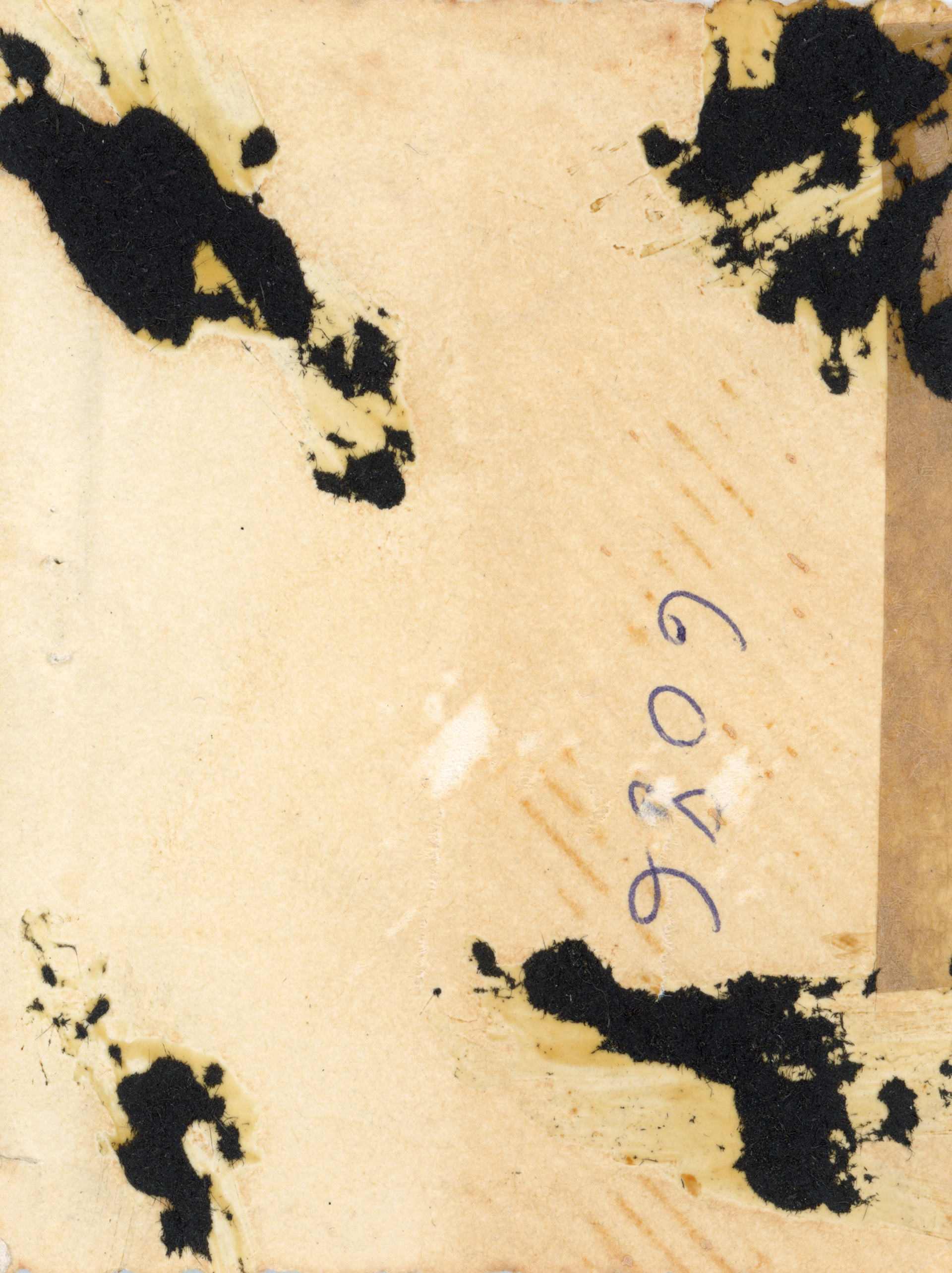
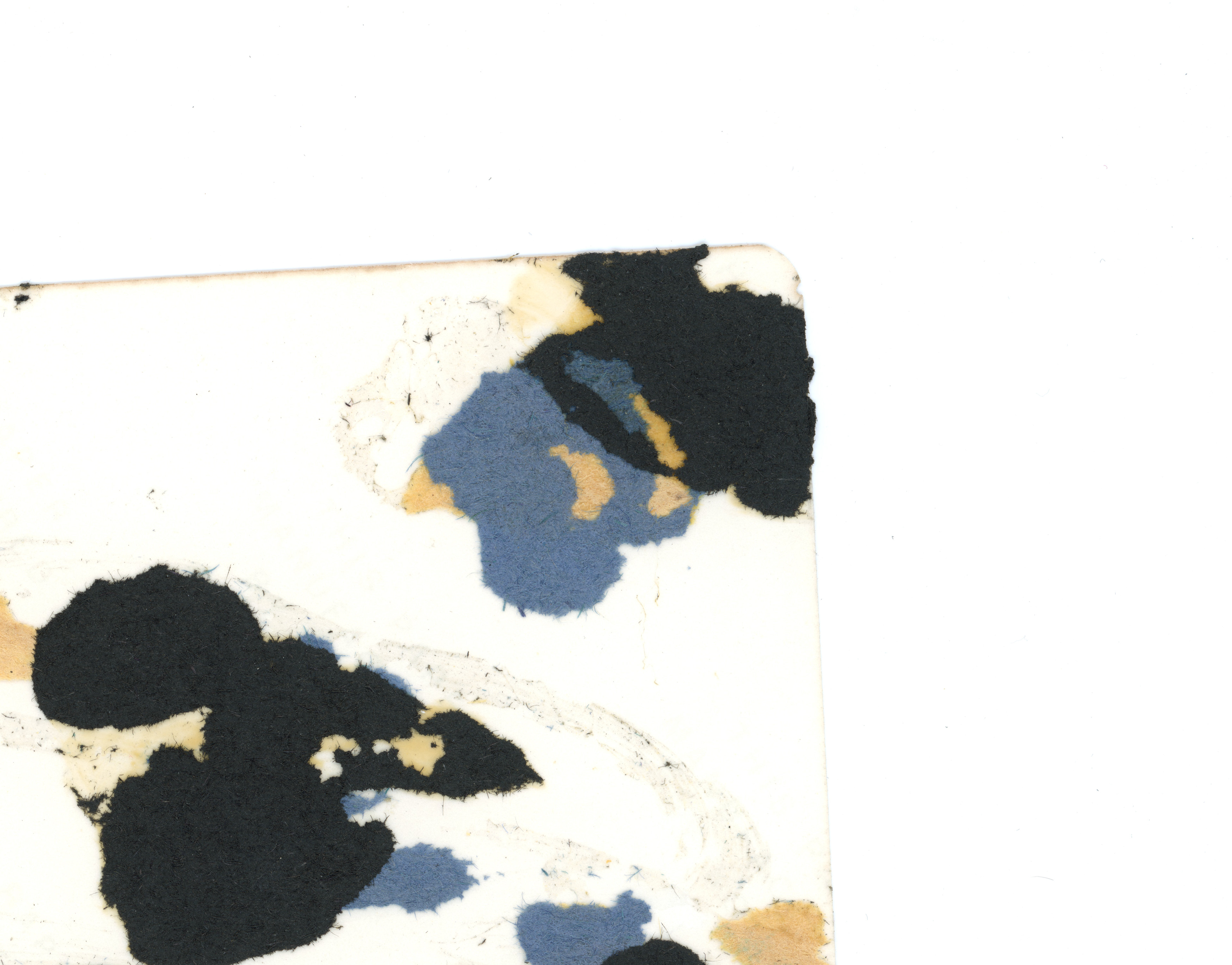
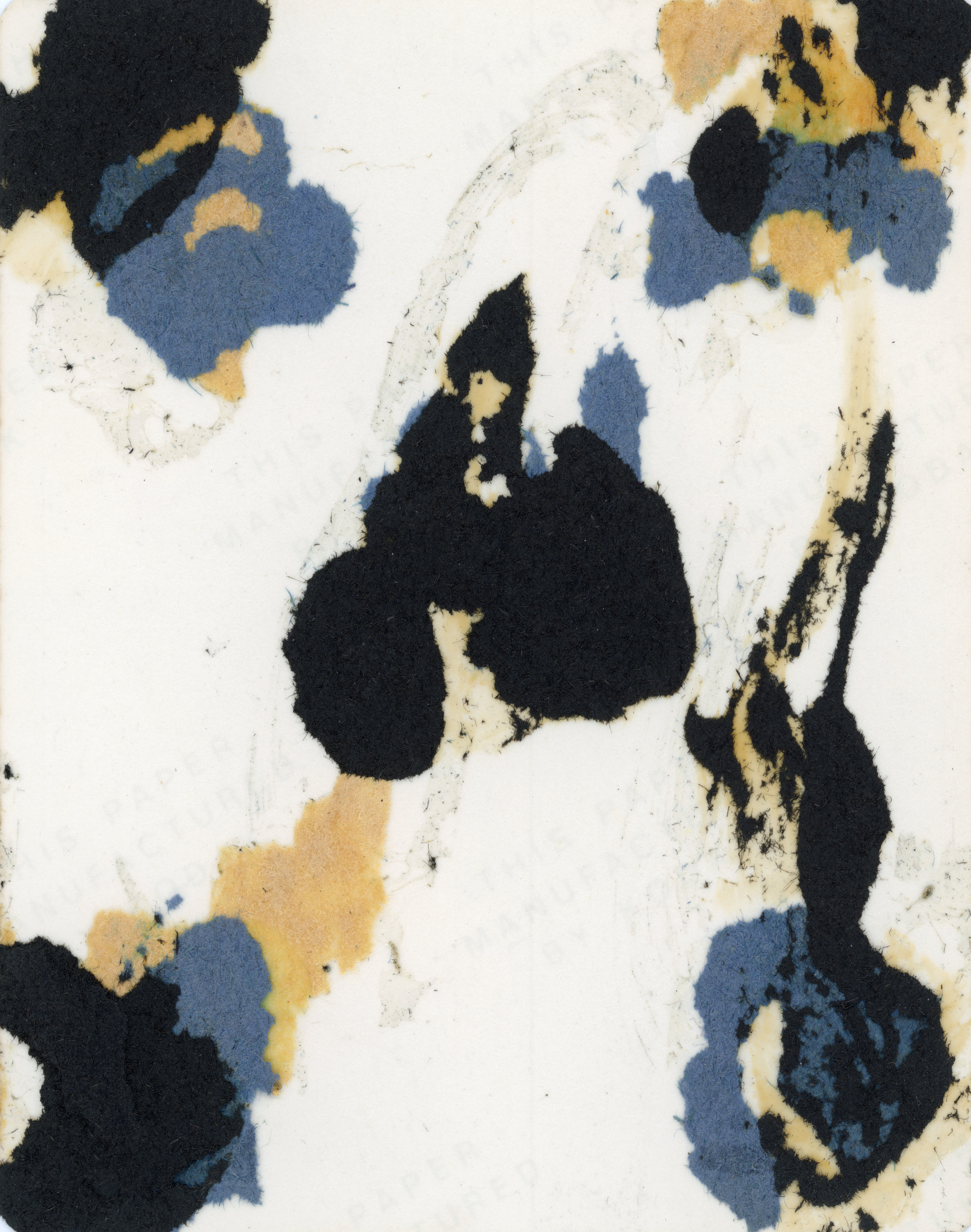
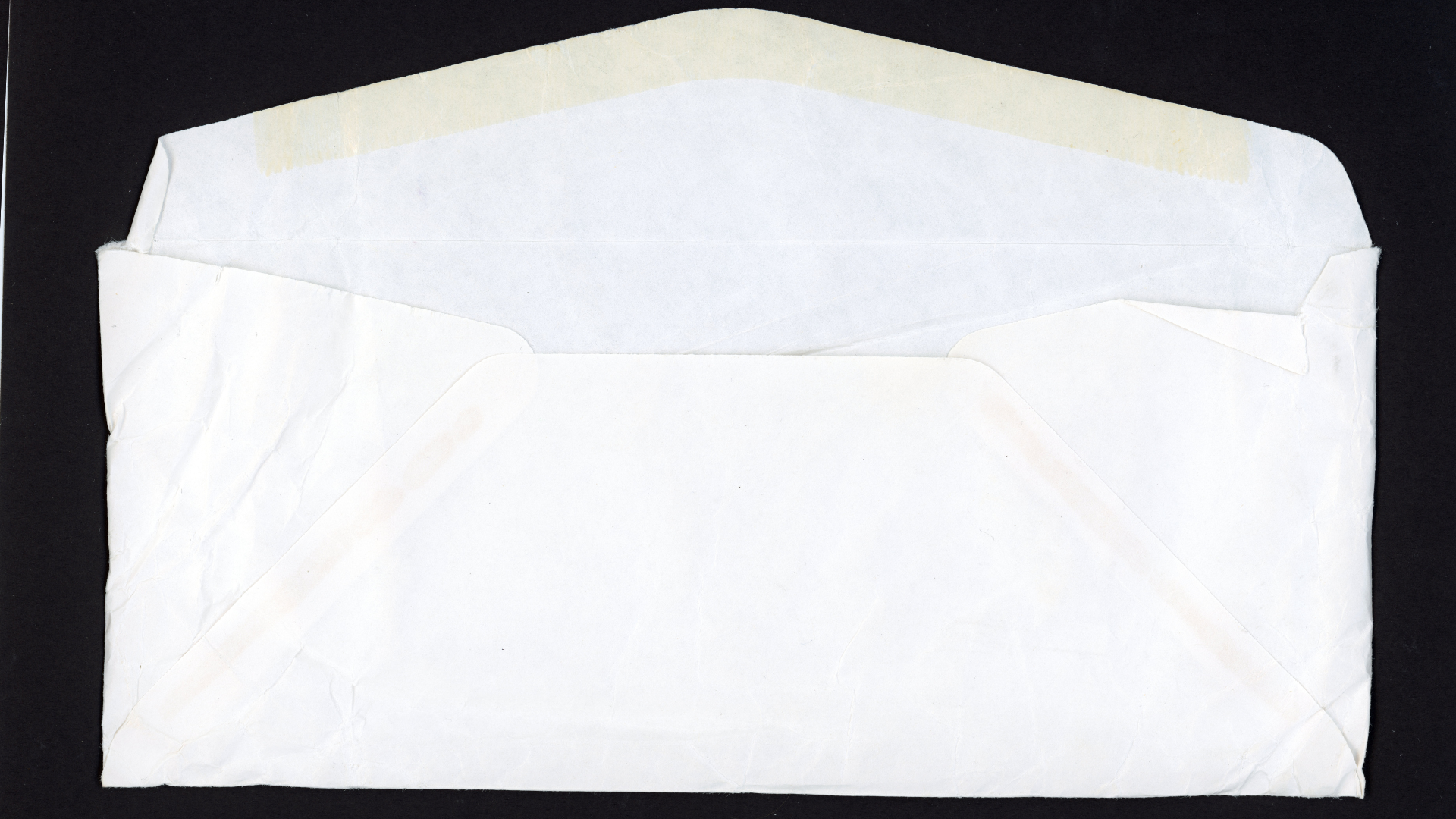
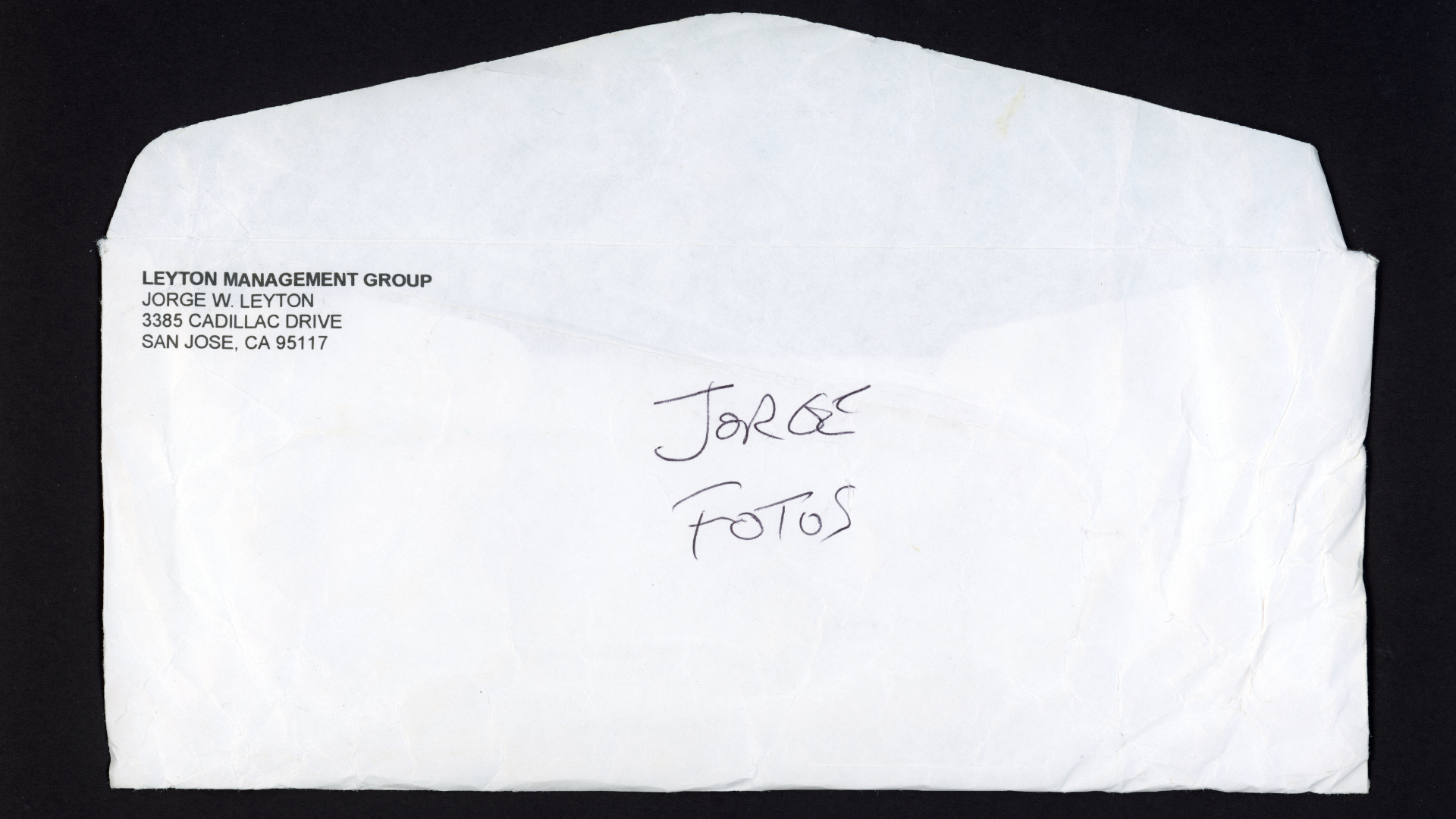
The backings of photos, evidence of physical movement throughout time.
Building this archive has changed the meaning of memory to me through reinforcing my own love and practice of photography, especially in relation to my dad and grandfather’s love for photography. It has allowed me to learn more about my dad’s memories during his adolescence that I would have never known existed otherwise. I realized how fortunate I was to have these memories documented in order to appreciate the memories of my family members who have passed. Through my archive, I continue being able to share their memories.
Works Cited
Moran, James. "From Reel Families to Families We Choose: Video in the Home Mode." There’s no place like home video (2002): 33-63.
Ramírez, Mario H. "The task of the Latino/a Archivist: On archiving identity and community." InterActions: UCLA Journal of Education and Information Studies 5.1 (2009).